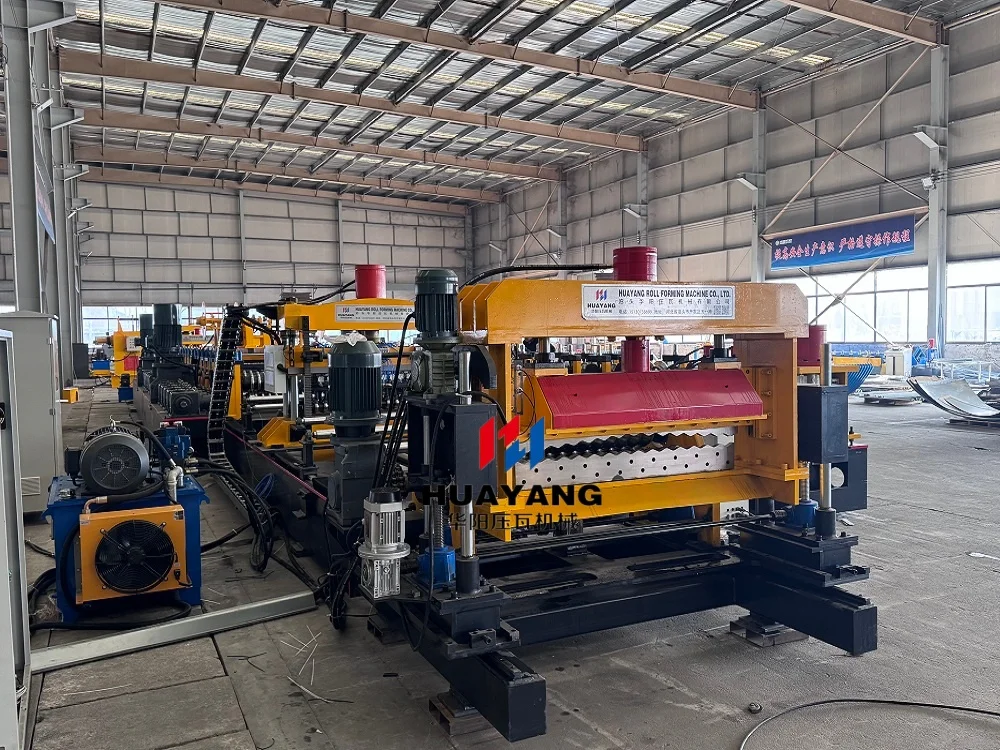
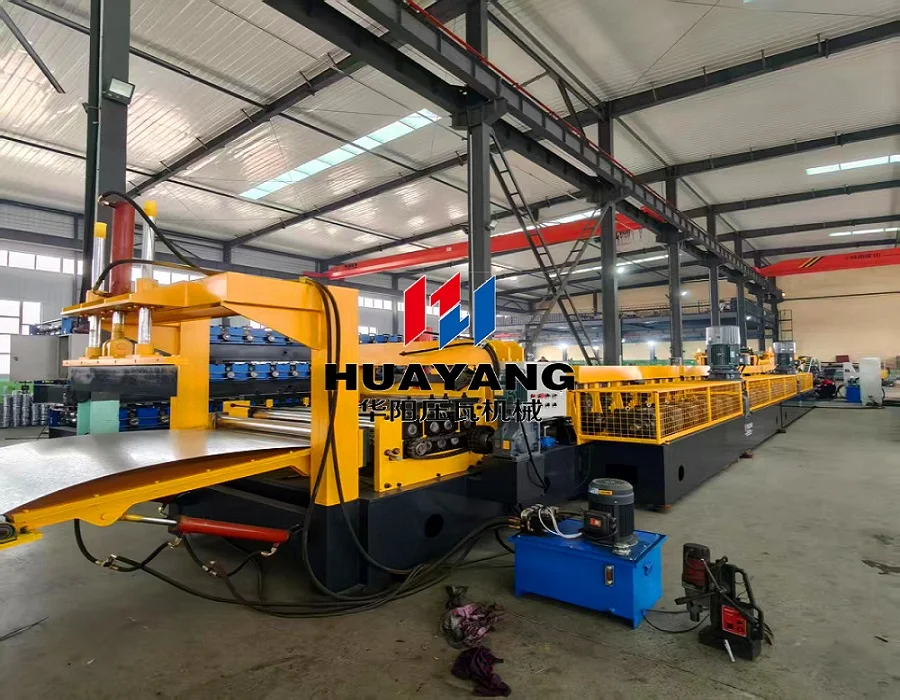
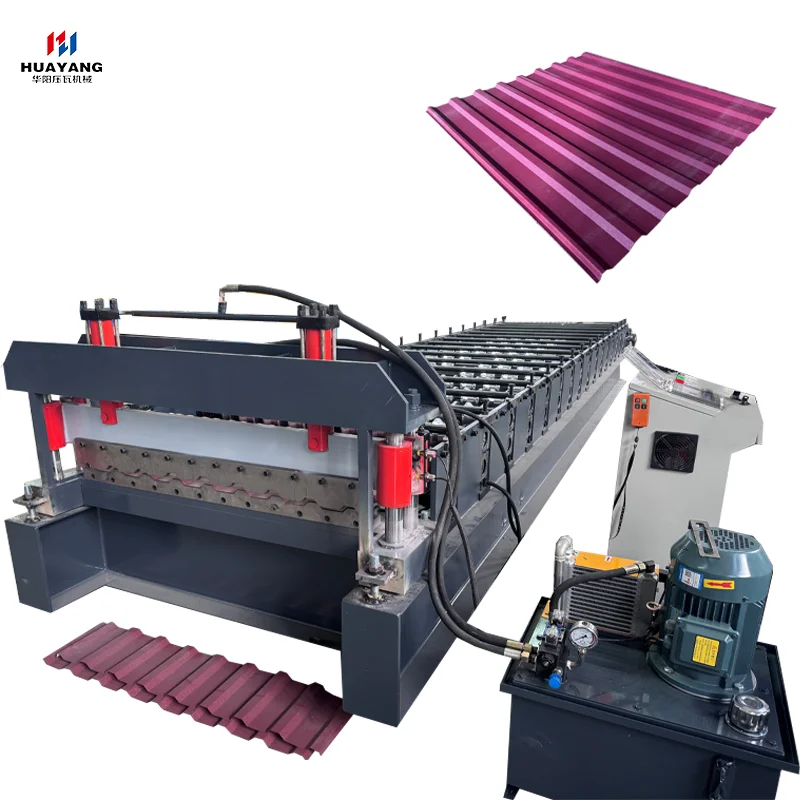
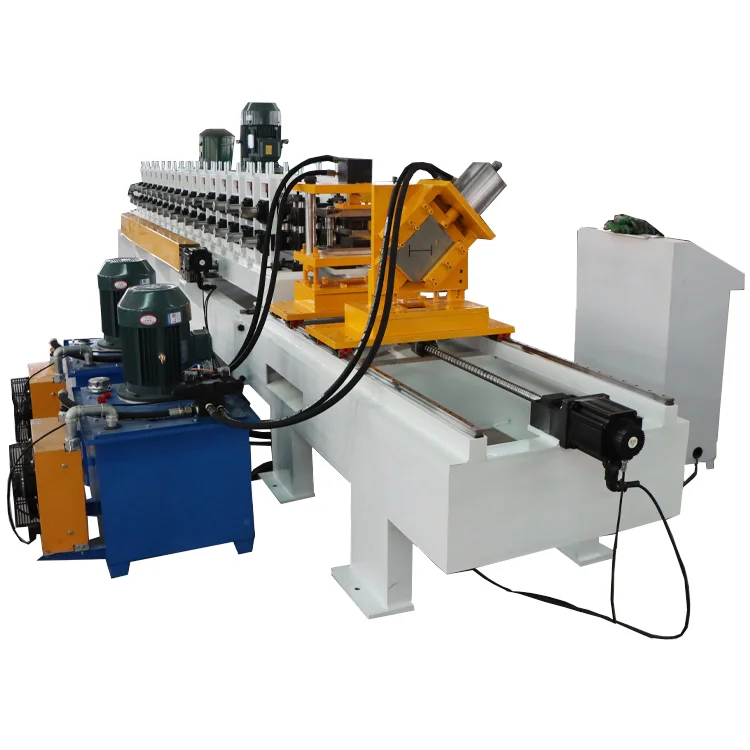
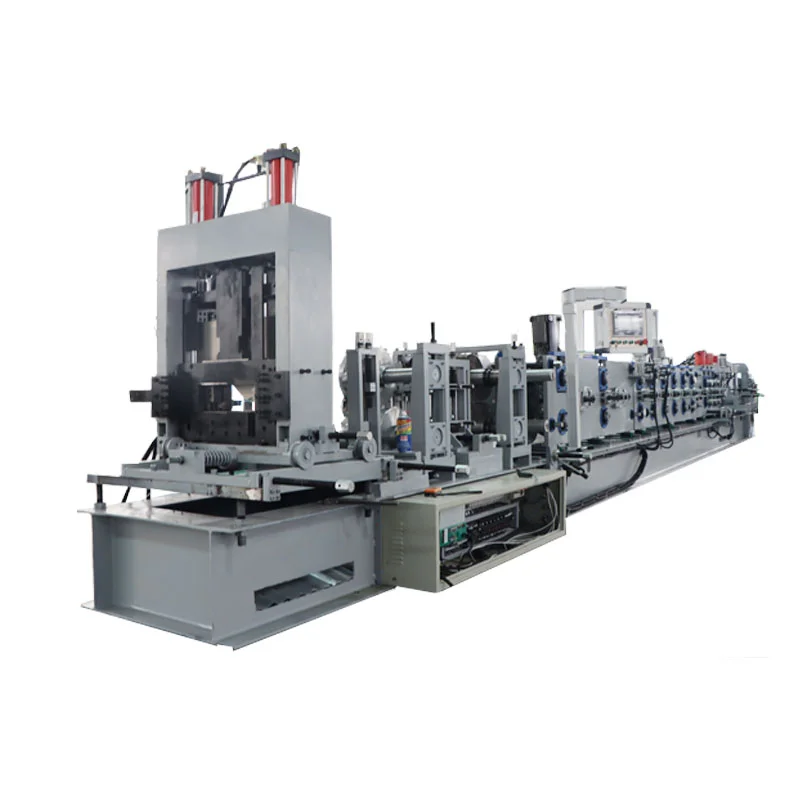
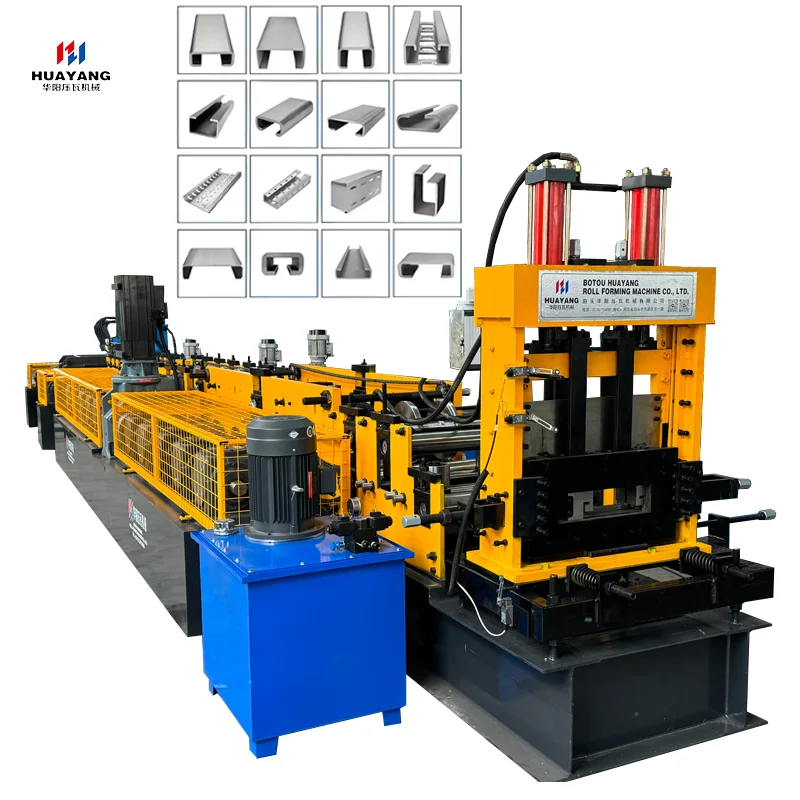
The global agricultural landscape is currently facing an unprecedented challenge: balancing the surge in food production with the critical need to reduce post-harvest losses. At the center of this logistical battle is the grain silo roll forming machine, a piece of precision engineering that allows for the rapid production of high-strength, corrugated steel sheets. These sheets are the building blocks of modern grain storage, ensuring that harvests are protected from pests, moisture, and oxidation on a massive scale.
From a macroeconomic perspective, the efficiency of grain storage directly impacts global food security and market stability. By utilizing a grain silo roll forming machine, manufacturers can produce standardized, durable silo panels that can be shipped in flat packs and assembled quickly on-site. This scalability is essential for developing nations and industrial farming hubs alike, where the ability to store millions of tons of grain determines the difference between surplus and shortage.
Understanding the technical nuances of this machinery—from the precision of the rollers to the automation of the cutting systems—is vital for any operator looking to optimize their production line. Whether it is focusing on the thickness of the galvanized steel or the ripple profile of the sheet, the goal remains the same: creating a structural envelope that guarantees the longevity of the stored produce. This guide explores how the grain silo roll forming machine drives efficiency in the metal forming industry and agricultural infrastructure.
Global Relevance of Grain Silo Roll Forming Technology
In the context of global food security, the ability to store grains efficiently is not just a business requirement but a humanitarian necessity. According to data from the FAO and World Bank, significant percentages of harvests in emerging economies are lost due to poor storage. The grain silo roll forming machine addresses this crisis by enabling the mass production of corrugated steel silos that are affordable, weather-resistant, and easy to deploy in remote areas.
The industrial shift toward automated roll forming has drastically reduced the lead time for silo construction. By transforming flat galvanized steel coils into precise, interlocking panels, these machines ensure that the resulting structures can withstand immense lateral pressure from stored grain. This technological leap allows countries to build strategic reserves more quickly, stabilizing food prices and protecting against the volatility of climate-induced crop failures.
Defining the Grain Silo Roll Forming Machine
A grain silo roll forming machine is a specialized piece of industrial equipment designed to continuously bend a long strip of metal (usually galvanized steel) into a specific profile through a series of sequential rollers. Unlike stamping or pressing, roll forming is a progressive process, meaning the metal is shaped gradually, which prevents material stress and ensures a high level of dimensional accuracy across the entire length of the sheet.
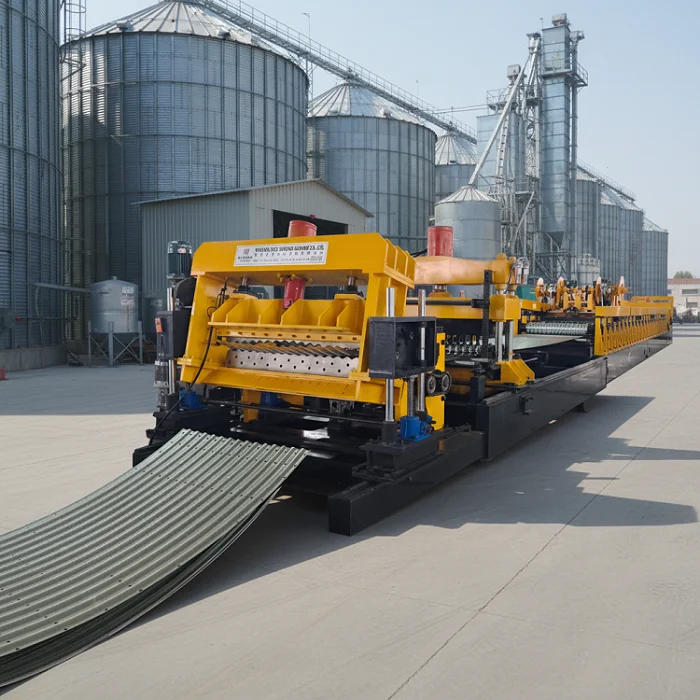
In simple terms, this machine takes a flat metal coil and "rolls" it into the corrugated wave pattern seen on the walls of large grain silos. This corrugation is critical because it provides the necessary structural rigidity to the thin steel walls, allowing the silo to hold thousands of tons of grain without collapsing under its own weight or the pressure of the contents.
The connection between this machinery and modern humanitarian needs is clear: by lowering the cost of production and increasing the speed of assembly, we can provide farmers worldwide with professional-grade storage solutions. This reduces dependence on traditional, less effective storage methods like mud-brick or wooden bins, which are susceptible to pests and rot.
Core Components for Structural Durability
To ensure the longevity of the final product, a grain silo roll forming machine must incorporate high-precision rollers made from hardened alloy steel. These rollers are the heart of the machine, defining the exact depth and pitch of the corrugations. Any deviation in roller alignment can lead to panels that do not fit together perfectly, compromising the airtight seal of the silo.
Another critical factor is the integration of a high-performance hydraulic cutting system. A premium grain silo roll forming machine uses PLC-controlled cutting to ensure that every panel is cut to the exact millimeter. This precision is what allows for the "bolt-together" assembly method, which is essential for rapid deployment in the field without needing specialized welding equipment.
Finally, the material handling system, including the decoiler and leveling unit, plays a pivotal role. By ensuring the steel coil is fed into the grain silo roll forming machine without tension or kinks, the machine avoids surface scratches and material fatigue, ensuring that the galvanized coating remains intact to prevent rust in humid agricultural environments.
Practical Applications Across Global Regions
The application of the grain silo roll forming machine varies by region based on the local agricultural needs. In the vast plains of North America and Australia, these machines produce massive, high-capacity panels for industrial-scale farms. In these regions, the focus is on maximizing volume and integrating automated aeration and temperature control systems within the rolled steel structure.
Conversely, in Southeast Asia and Sub-Saharan Africa, the focus is on modularity and portability. Smaller-scale grain silo roll forming machines are used to create medium-sized silos that can be transported to remote villages. These silos provide a critical shield against tropical humidity and pests, directly increasing the income of smallholder farmers by allowing them to sell their grain when market prices are higher rather than immediately after harvest.
Production Efficiency of Different Grain Silo Roll Forming Machine Configurations
Long-Term Value and Economic Advantages
Investing in a high-quality grain silo roll forming machine provides immense long-term value by reducing operational waste. The roll forming process is inherently "zero-waste" compared to traditional cutting methods, as the material is shaped continuously from the coil. This efficiency translates directly into lower raw material costs and a smaller environmental footprint, aligning with modern sustainability goals in the manufacturing sector.
Beyond the numbers, there is a profound social impact. The reliability of the structures produced by these machines creates a sense of security for farming communities. When a farmer knows their harvest is safe from the elements in a precision-engineered steel silo, they can invest more in seed quality and soil health, fostering a cycle of innovation and trust within the agricultural supply chain.
Future Innovations in Roll Forming Automation
The future of the grain silo roll forming machine is being shaped by Industry 4.0. We are seeing the integration of AI-driven sensors that can detect material thickness variations in real-time and adjust the roller pressure automatically. This ensures that even if there are slight inconsistencies in the steel coil, the final output remains perfectly uniform, reducing the risk of structural failure in the field.
Sustainability is also driving a shift toward "green steel" and advanced coatings. Future iterations of roll forming machines are being designed to handle high-strength, low-alloy steels that require more force to shape but offer superior corrosion resistance. This means silos will last longer and require less maintenance, further reducing the total cost of ownership for the end user.
Furthermore, the trend toward digitalization is enabling "smart factories" where the grain silo roll forming machine can be monitored remotely. Cloud-based diagnostics can predict when a roller is wearing down, allowing for predictive maintenance that eliminates unplanned downtime and ensures a steady flow of production for urgent agricultural projects.
Overcoming Common Technical Challenges
One of the most common challenges in roll forming is "spring-back," where the metal attempts to return to its original flat shape after leaving the rollers. To overcome this, an advanced grain silo roll forming machine utilizes "over-bending" techniques and precision-calculated roller geometries. By bending the material slightly beyond the desired angle, the machine ensures that the final profile is locked into the correct shape.
Surface scratching is another hurdle, particularly when working with pre-painted or highly galvanized sheets. Professional manufacturers solve this by using specialized roller materials, such as coated chrome or high-density polymers, and by optimizing the feed speed to minimize friction. This ensures that the aesthetic and protective qualities of the steel are preserved.
Lastly, the challenge of versatility is addressed through interchangeable roller sets. A modular grain silo roll forming machine allows operators to switch between different corrugated profiles or thicknesses without needing to purchase an entirely new machine. This flexibility is essential for manufacturers who serve both small-scale and industrial agricultural markets.
Comparative Analysis of Grain Silo Roll Forming Machine Performance Metrics
| Machine Tier | Precision Accuracy | Material Waste % | Operational Lifespan |
|---|
| Entry-Level Basic | ± 2.0mm | 3-5% | 5-8 Years |
| Standard Industrial | ± 1.0mm | 1-2% | 10-12 Years |
| Precision PLC-Series | ± 0.5mm | < 1% | 15+ Years |
| High-Speed Servo | ± 0.2mm | < 0.5% | 20+ Years |
| Custom Heavy-Duty | ± 0.8mm | 1% | 18+ Years |
| Hybrid Modular | ± 0.6mm | 1.2% | 12-15 Years |
FAQS
The primary advantage is the continuous production capability. Roll forming allows for the creation of panels of virtually any length with consistent profiles and minimal material waste. It also induces less stress on the metal, which results in a stronger, more durable wall for the silo compared to the localized deformation caused by pressing.
Most grain silo roll forming machines are designed for galvanized steel, as it offers the best balance of strength and corrosion resistance. However, they can also process Galvalume or pre-painted steel. The thickness usually ranges from 1mm to 4.2mm, depending on the specific machine configuration and the required load capacity of the silo.
Precision is ensured through the use of CNC-machined rollers and rigorous calibration. Choosing a machine with a PLC control system helps maintain consistency across different batches. Regular inspection of roller wear and maintaining the correct tension in the decoiler are also critical for preventing dimensional drift.
Yes, if the machine is designed with a modular roller system. While the basic profile is usually fixed, many high-end machines allow for the replacement of certain roller sets to change the ripple height or pitch. Additionally, the width can often be adjusted or managed by using different coil widths.
Key maintenance includes regular lubrication of the drive chains and bearings, checking the alignment of the rollers, and inspecting the hydraulic seals of the cutting unit. Using high-quality hardened steel rollers reduces the frequency of replacements, but periodic polishing may be needed to avoid surface marks on the sheets.
A typical setup involving a decoiler, the roll forming machine, and a stacking table can be commissioned within a few days. However, the initial calibration and testing phase to ensure the "spring-back" is correctly managed typically take 24-48 hours of trial runs before mass production begins.
Conclusion
The grain silo roll forming machine stands as a cornerstone of modern agricultural infrastructure, bridging the gap between industrial metalwork and global food security. By enabling the efficient, low-waste production of corrugated steel panels, this technology ensures that harvests are preserved, waste is minimized, and farmers are empowered with durable storage solutions. From the precision of the rollers to the integration of PLC automation, every technical detail contributes to a structure that can withstand the test of time and nature.
Looking forward, the integration of AI and sustainable materials will only further enhance the value of roll forming technology. For manufacturers and agricultural investors, the key to success lies in choosing machinery that balances high precision with operational flexibility. As we strive for a more food-secure world, the role of high-performance forming equipment will remain indispensable. Visit our website for more information: www.hyrollformingmachine.com