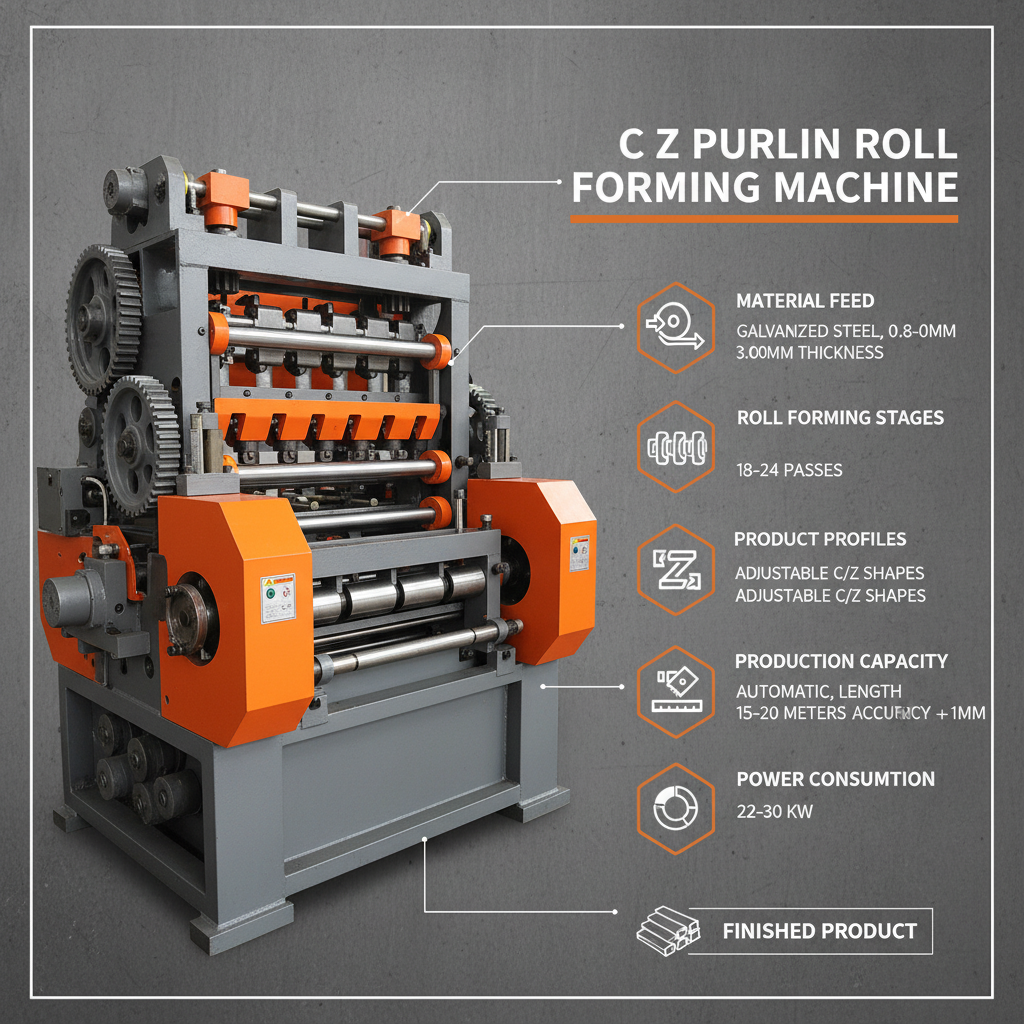
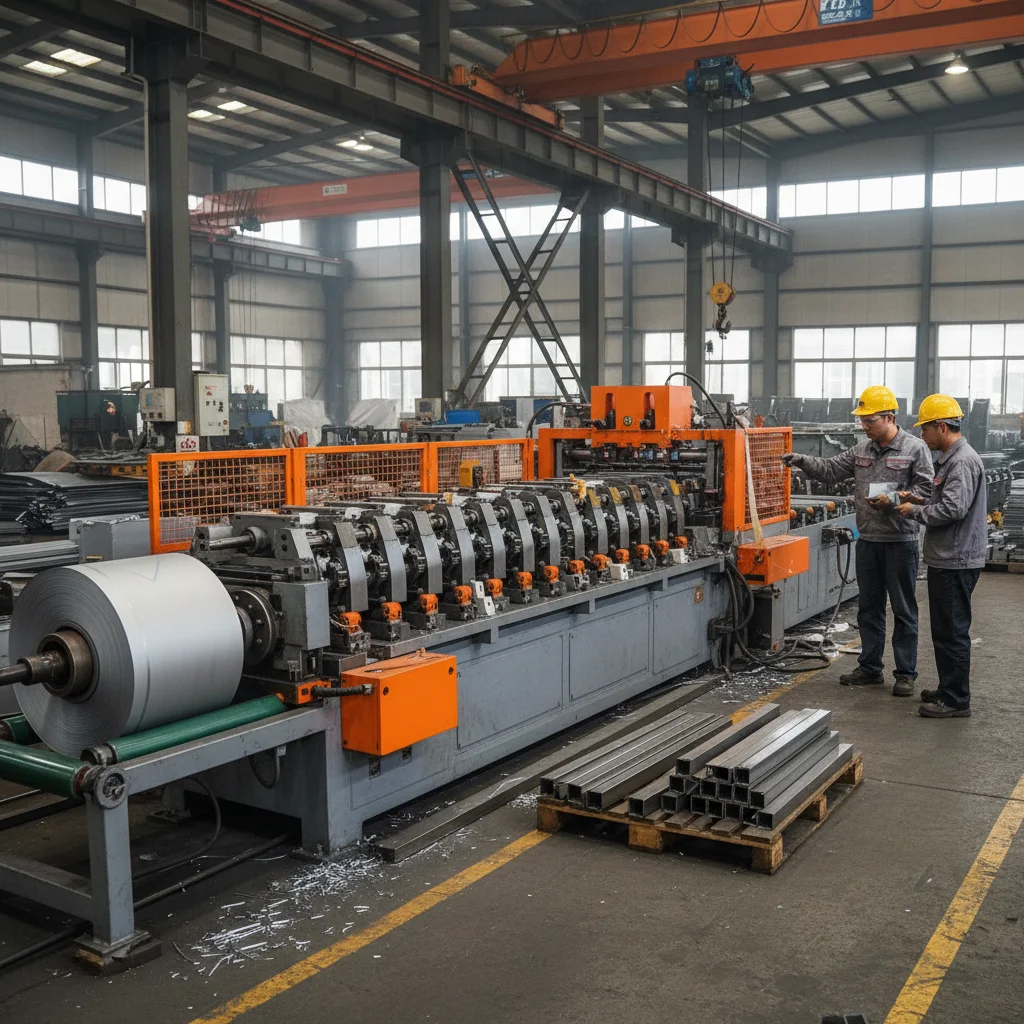
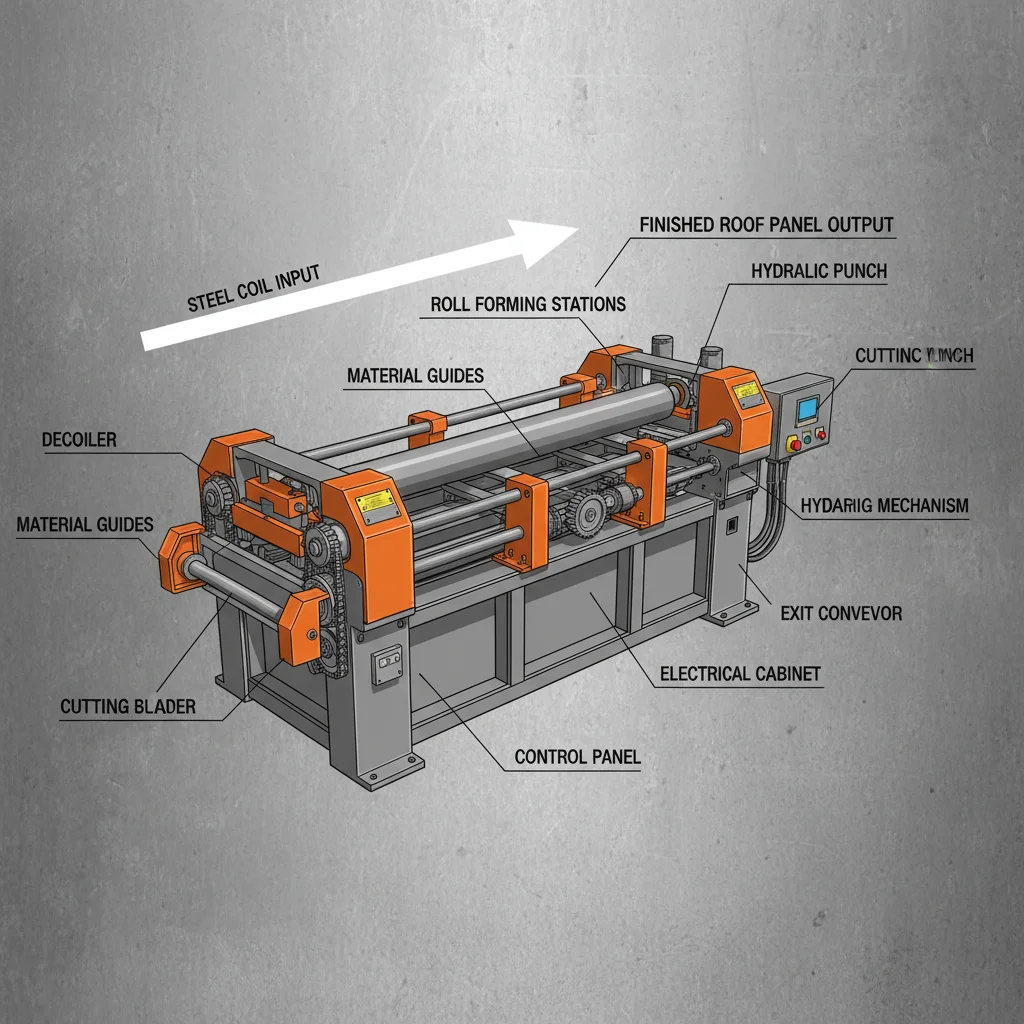
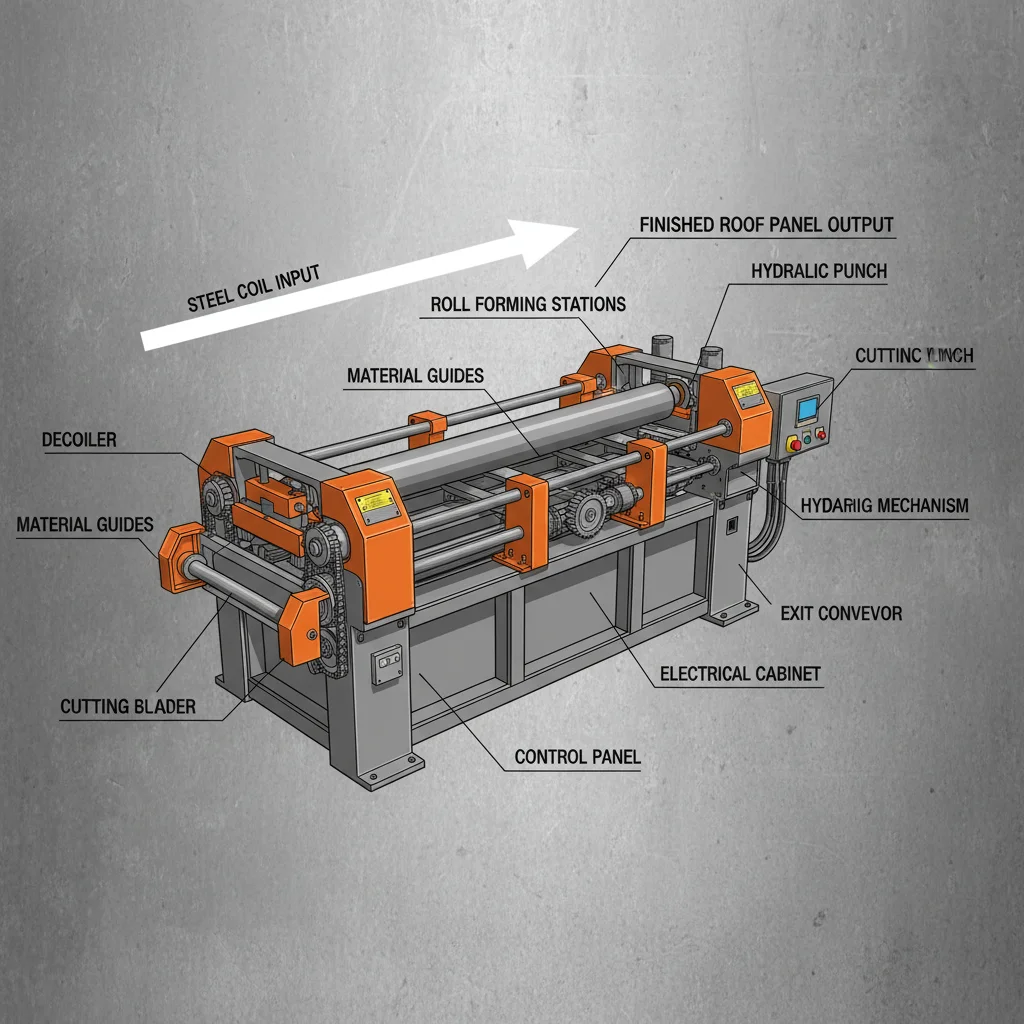
The global construction and industrial infrastructure sectors have seen a paradigm shift toward lightweight, high-strength steel solutions, where the c z purlin roll forming machine plays a pivotal role. By automating the production of C and Z shaped structural sections, these machines enable the rapid creation of roof and wall supports that are essential for warehouses, aircraft hangars, and industrial plants worldwide.
Understanding the technical nuances of a c z purlin roll forming machine is not merely about machinery specs, but about optimizing the balance between material usage and structural integrity. As urban expansion accelerates, the demand for precision-engineered purlins that can be assembled quickly on-site has made this technology a cornerstone of modern prefabricated building systems.
Investing in high-quality roll forming technology ensures that manufacturers can meet rigorous ISO and ASTM standards, reducing waste and increasing the lifecycle of the final structure. This guide explores the comprehensive impact of the c z purlin roll forming machine, from its core mechanical components to its future in the era of Industry 4.0.
Global Significance of C Z Purlin Roll Forming Machine
The adoption of the c z purlin roll forming machine has revolutionized how the world approaches large-scale steel construction. In emerging economies across Southeast Asia and Africa, where infrastructure growth is peaking, the ability to produce standardized, high-strength purlins locally reduces dependency on expensive imports and slashes transportation costs significantly.
Moreover, the global push for sustainable building certifications, such as LEED, has highlighted the importance of precision manufacturing. By using a c z purlin roll forming machine, fabricators can achieve near-zero material waste, ensuring that the steel is utilized to its absolute maximum capacity, which aligns with global environmental goals for carbon footprint reduction in the steel industry.
Technical Definition and Industrial Role
In simple terms, a c z purlin roll forming machine is a sophisticated piece of industrial equipment that continuously bends a strip of galvanized steel or aluminum into a specific C or Z cross-sectional profile. Unlike traditional press braking, roll forming uses a series of consecutive rollers to gradually shape the metal, ensuring that the structural properties of the steel are preserved without creating stress fractures.
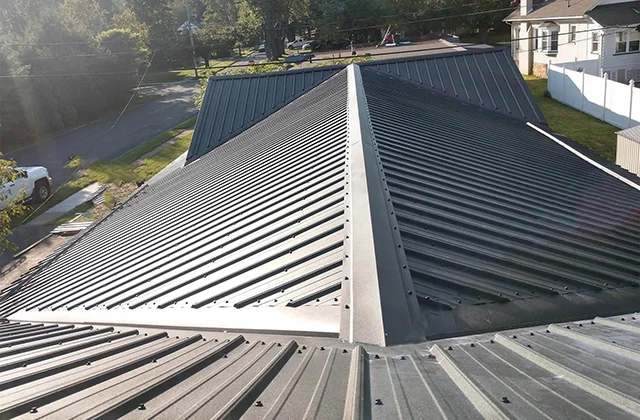
This machine is critical because "C" and "Z" purlins serve as the primary horizontal support members for roof and wall cladding. Z-purlins, in particular, allow for overlapping at the supports, which creates a continuous beam effect and significantly increases the load-bearing capacity of the building's frame. Without the precision of a professional roll forming system, achieving these tight tolerances would be virtually impossible at scale.
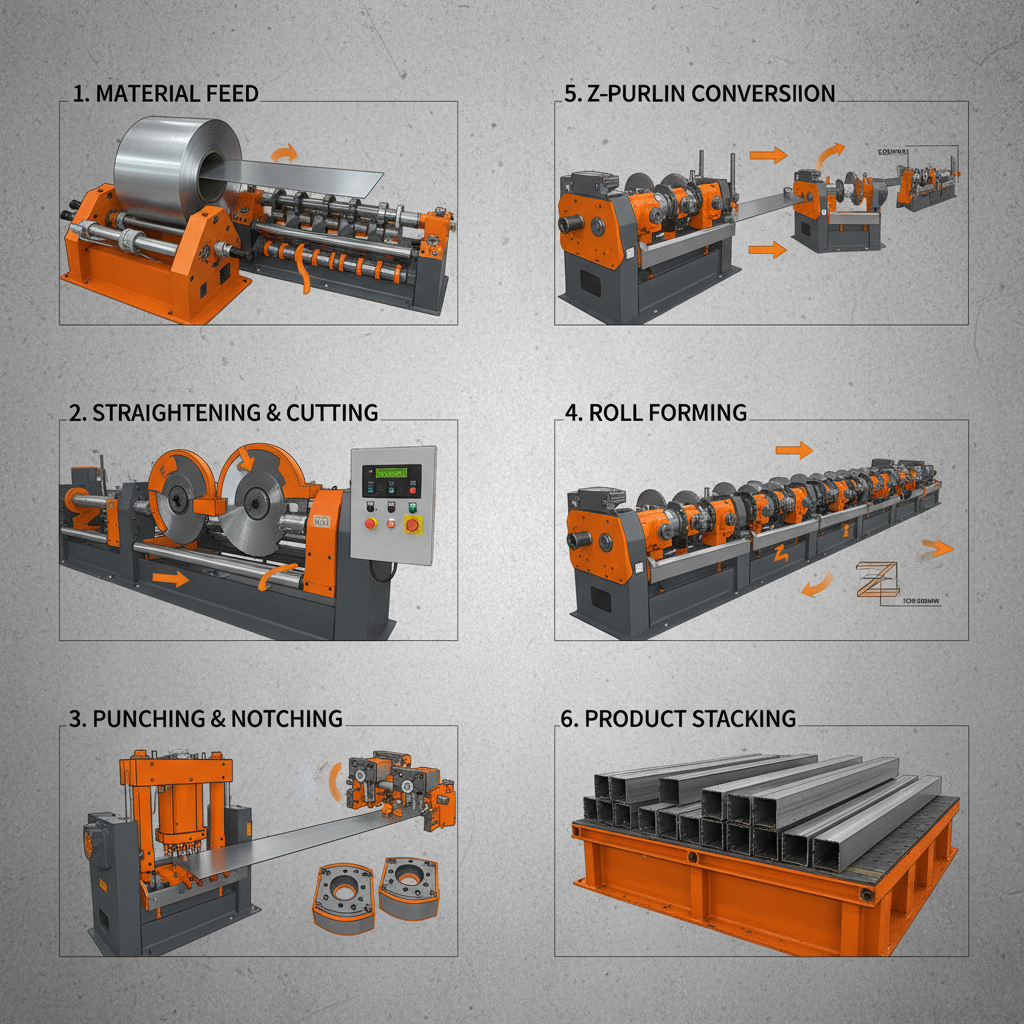
Beyond just shaping, the modern c z purlin roll forming machine integrates cutting and punching functions. This means that holes for bolts and fasteners are punched into the steel during the forming process, transforming a raw coil of steel into a ready-to-assemble structural component in a single, streamlined production line.
Core Components for Maximum Precision
The heart of any high-performing c z purlin roll forming machine lies in its roller stations. These rollers are typically crafted from high-grade alloy steel and undergo precise heat treatment to ensure wear resistance. The gradual transition from a flat sheet to a complex C or Z profile requires an exact mathematical sequence of rollers to prevent "oil canning" or warping of the material.
Another critical element is the PLC control system integrated into the c z purlin roll forming machine, which manages the synchronization between the feeding speed and the hydraulic cutting system. This ensures that every purlin is cut to the exact millimeter, reducing onsite adjustments and allowing for a "LEGO-like" assembly process for construction crews.
Finally, the structural chassis of the c z purlin roll forming machine must be exceptionally rigid to withstand the immense pressure exerted during the bending process. A reinforced frame prevents deflection, ensuring that the purlins produced maintain a perfectly straight axis over lengths that can exceed 12 meters, which is essential for the structural safety of the final building.
Economic Efficiency and Performance Metrics
From a commercial perspective, the implementation of a c z purlin roll forming machine drastically lowers the cost per linear meter of structural steel. By automating the process, labor costs are reduced by up to 70% compared to manual fabrication methods. Furthermore, the speed of production allows contractors to respond to market demands faster, turning raw coils into finished beams in a fraction of the time.
When evaluating the ROI of these machines, one must look at the precision and material savings. A well-calibrated c z purlin roll forming machine minimizes the "scrap rate," ensuring that every inch of expensive galvanized steel is utilized effectively, which directly translates to higher profit margins for the manufacturer.
Efficiency Comparison of Purlin Production Methods
Worldwide Applications and Case Studies
The versatile output of a c z purlin roll forming machine is utilized across various sectors. In North America, these machines are widely used to produce the structural frames for massive logistics hubs and e-commerce fulfillment centers. The Z-purlin's ability to overlap allows these buildings to span vast distances without needing excessive internal columns, maximizing usable floor space.
In more challenging environments, such as remote mining sites in Australia or industrial zones in the Middle East, the precision of the c z purlin roll forming machine ensures that components can be prefabricated in a controlled factory setting and then shipped as a kit. This "kit-of-parts" approach reduces the need for skilled labor in remote areas, ensuring that structures are built safely and according to strict engineering specifications.
Long-Term Value and Sustainability
Beyond immediate profit, the long-term value of investing in a c z purlin roll forming machine is found in the durability of the resulting structures. Precision-formed purlins distribute loads more evenly across the building frame, which significantly reduces the risk of structural fatigue over decades of use. This reliability builds trust between the fabricator and the end client, fostering long-term commercial partnerships.
From a sustainability lens, roll forming is inherently "green." Because the c z purlin roll forming machine creates components from recyclable steel coils with minimal off-cuts, it supports a circular economy. Furthermore, the lightweight nature of C and Z sections reduces the amount of concrete needed for foundations, as the overall dead weight of the roof system is lowered.
The emotional value also cannot be overlooked; providing safe, stable, and rapidly deployable housing or industrial shelter in disaster-prone regions is often made possible by these machines. When a community needs a warehouse or a temporary clinic quickly, the speed of a c z purlin roll forming machine provides a sense of security and rapid recovery that traditional building methods simply cannot match.
Future Innovations in Roll Forming Technology
The future of the c z purlin roll forming machine is being shaped by the integration of IoT and AI. We are seeing the rise of "smart rollers" that can detect material thickness variations in real-time and automatically adjust the pressure to maintain a consistent profile. This reduces the need for manual calibration and eliminates human error in the production process.
Digital transformation is also bringing "cloud-connected" manufacturing to the forefront. Future c z purlin roll forming machine systems will likely allow engineers to send CAD designs directly from the architectural office to the machine on the factory floor, enabling the production of custom-length purlins with zero manual data entry.
Additionally, new high-strength, low-alloy (HSLA) steels are being developed that will challenge the current limits of roll forming. The next generation of c z purlin roll forming machine will be designed to handle these harder materials without excessive wear on the rollers, allowing for even lighter structures with the same—or greater—load-bearing capacity.
Technical Analysis of Purlin Production Standards
|
Machine Grade
|
Production Speed (m/min)
|
Tolerance Level (mm)
|
Material Versatility
|
| Entry Level |
8 - 12 |
± 1.5 |
Galvanized Steel Only |
| Standard Industrial |
15 - 20 |
± 0.8 |
Steel & Aluminum |
| Precision High-Speed |
25 - 35 |
± 0.5 |
HSLA & Coated Steel |
| Smart AI Integrated |
30 - 45 |
± 0.3 |
All Alloy Variants |
| Heavy Duty Custom |
10 - 15 |
± 0.4 |
Thick Gauge Steel |
| Eco-Efficient Line |
20 - 25 |
± 0.7 |
Recycled Steel Coils |
FAQS
C purlins have a "C" shaped cross-section and are typically used for wall girts or simple roof spans. Z purlins have a "Z" shape, allowing them to overlap at the supports. This overlap creates a continuous structural beam, significantly increasing the load-bearing capacity and reducing the amount of steel needed for long-span roofs. A high-quality c z purlin roll forming machine can often produce both profiles through adjustable roller sets.
Precision is primarily managed by the PLC (Programmable Logic Controller) and the encoder system. The encoder tracks the exact distance the steel has traveled through the rollers. To maintain accuracy, ensure the rollers are free of debris and the hydraulic cutting blade is sharpened regularly. Using a c z purlin roll forming machine with a servo-driven feeding system can further enhance length accuracy to within ±0.5mm.
Yes, but within a specific range. Most c z purlin roll forming machines are designed for a range (e.g., 1.5mm to 3.0mm). To change thickness, the operator must adjust the gap between the top and bottom rollers. High-end machines feature motorized adjustment systems that allow these changes to be made via the touch screen, reducing downtime during production shifts.
Roller life depends on the material being formed; harder steels increase wear. Generally, a daily lubrication schedule is recommended. A full inspection of roller wear should occur every 6 months. If you notice "spring-back" or profile distortion, it's time to check for roller wear. Investing in rollers made from Cr12 or similar high-carbon alloy steel in your c z purlin roll forming machine extends replacement cycles.
Absolutely. Most modern c z purlin roll forming machines come with integrated hydraulic punching stations. These are programmed to punch holes at specific intervals for bolts and fasteners. This eliminates the need for secondary drilling on the construction site, which drastically speeds up the assembly of the building and ensures that all holes are perfectly aligned across all beams.
Lead times generally vary from 30 to 60 days depending on the customization requirements (e.g., specific profiles or automation levels). Once the c z purlin roll forming machine arrives, installation and commissioning usually take 7 to 14 days, including operator training and trial production runs to ensure the output meets the required engineering standards.
Conclusion
The c z purlin roll forming machine stands as a critical bridge between raw steel production and the realization of modern architectural visions. By combining mechanical precision, automated control, and material efficiency, it transforms the complex task of structural support into a streamlined, cost-effective process. From the reduction of material waste to the acceleration of onsite assembly, the impact of this technology is felt across every stage of the construction lifecycle.
As we move toward a future defined by smarter cities and sustainable infrastructure, the role of precision roll forming will only grow. Manufacturers who embrace AI-integrated systems and high-strength materials will lead the market in providing safer, faster, and more eco-friendly building solutions. To ensure your production line is equipped for the challenges of tomorrow, we invite you to explore our professional solutions. Visit our website: www.hyrollformingmachine.com