The evolution of modern construction has been significantly accelerated by the integration of the steel framing machine light gauge, a cornerstone technology in the shift toward prefabricated and modular building systems. By transforming raw galvanized steel coils into precision-engineered structural profiles, these machines enable the creation of lightweight yet incredibly strong frameworks that outperform traditional timber in both longevity and consistency.
Globally, the demand for rapid urbanization and sustainable housing has placed the steel framing machine light gauge at the forefront of industrial innovation. As builders seek ways to reduce onsite waste and shorten project timelines, the ability to produce exact, CNC-driven components ensures that every stud, track, and joist fits perfectly, reducing human error and material overhead.
Understanding the capabilities of a steel framing machine light gauge is no longer just for specialized manufacturers; it is essential for any developer looking to scale their operations. From residential villas to complex industrial warehouses, the transition to light gauge steel (LGS) provides a scalable solution that balances structural integrity with economic viability.
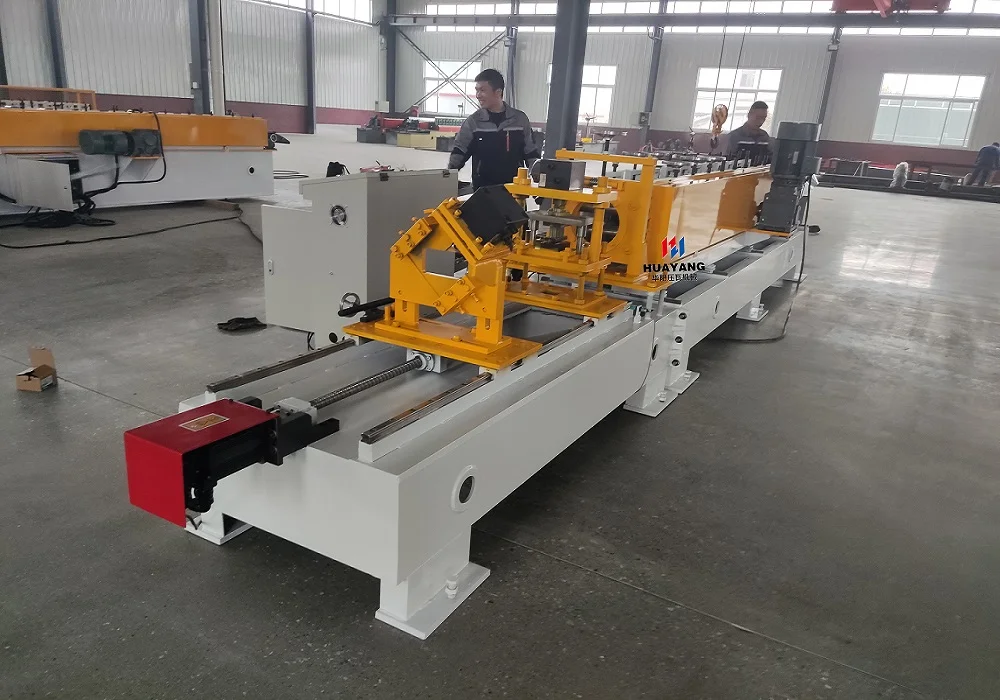
Global Impact of Steel Framing Machine Light Gauge
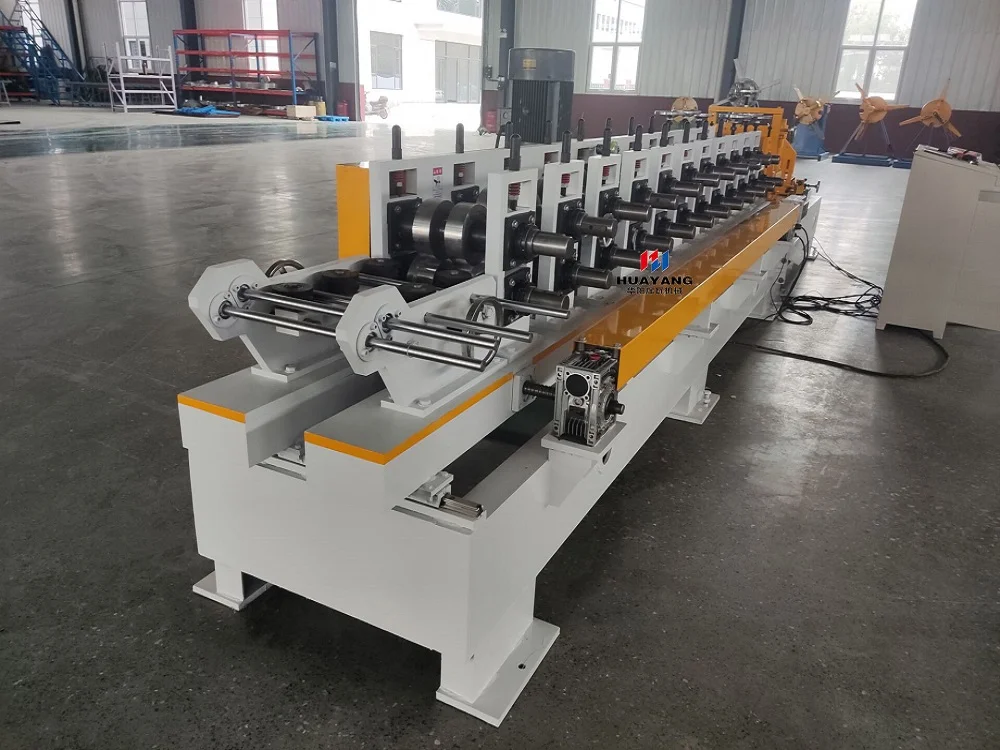
On a global scale, the adoption of the steel framing machine light gauge has revolutionized how we approach emergency housing and urban expansion. With reports from international housing authorities highlighting a critical shortage of affordable shelters, the speed of cold-formed steel production offers a lifeline. Unlike traditional concrete or wood, LGS frames can be manufactured in a controlled factory environment and shipped as flat-packs, significantly lowering logistics costs.
This industrial shift is particularly evident in regions adhering to ISO standards for structural safety, where the precision of a steel framing machine light gauge ensures that buildings can withstand seismic activities and extreme weather conditions. By automating the roll-forming process, countries are now able to deploy high-quality housing in a fraction of the time it took a decade ago.
Defining the Steel Framing Machine Light Gauge Technology
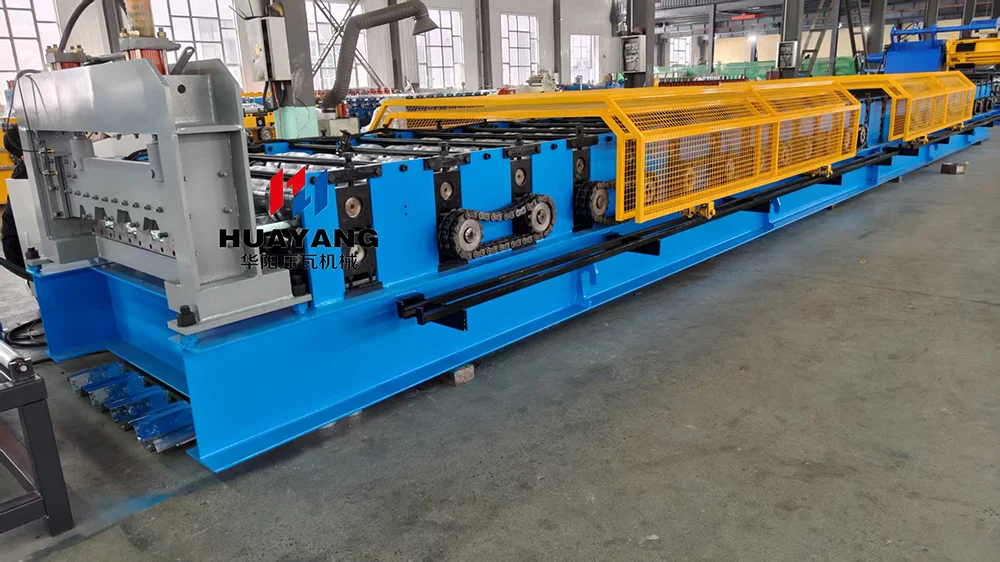
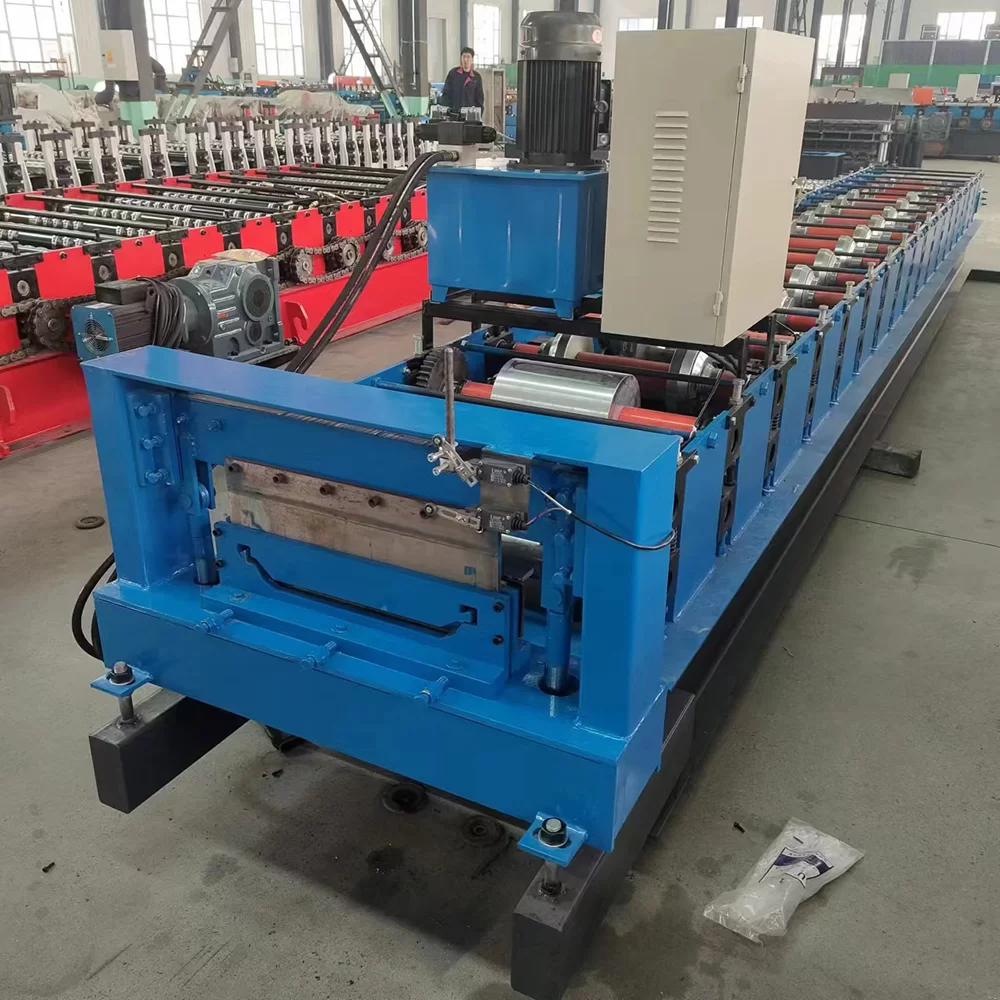
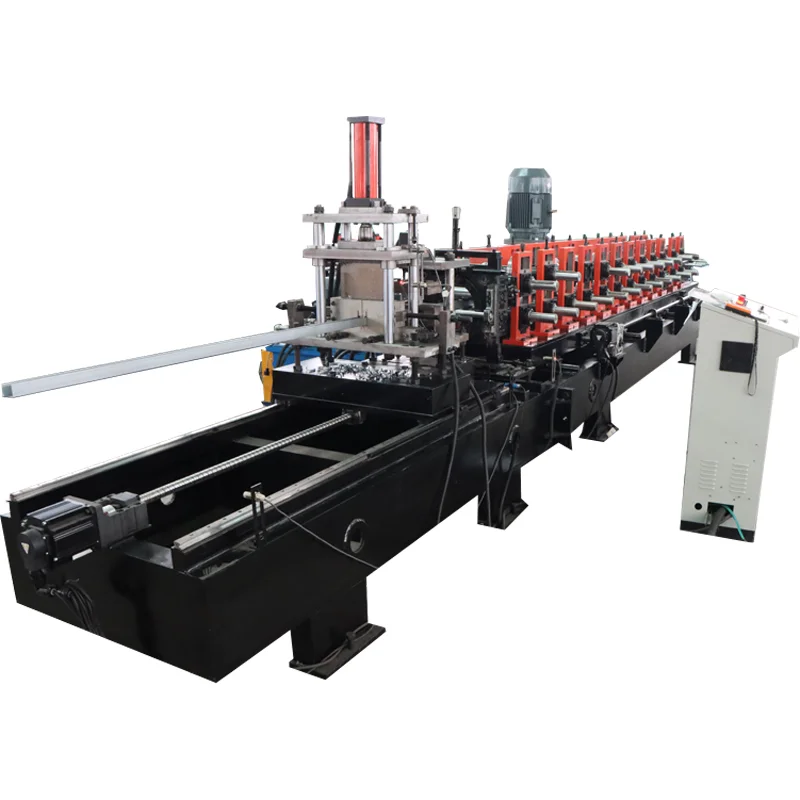
At its core, a steel framing machine light gauge is an advanced roll-forming system designed to shape thin-gauge steel strips (typically between 0.5mm and 3.0mm) into structural profiles such as C-channels and U-tracks. The process involves a series of rollers that gradually bend the steel into the desired shape without applying heat, a process known as cold-forming, which preserves the mechanical properties of the metal.
This technology bridges the gap between heavy structural steel and lightweight aluminum. It allows architects to design buildings that are lightweight enough to reduce foundation costs but strong enough to support multiple stories. The integration of PLC control systems means that the machine can automatically adjust lengths and punch holes for electrical and plumbing installations, turning a raw coil into a ready-to-assemble kit.
Beyond simple residential use, the steel framing machine light gauge is critical for humanitarian needs. In post-disaster relief, where permanent housing is needed quickly to replace tents, these machines provide the means to create durable, fire-resistant, and pest-proof shelters that restore dignity and safety to displaced populations.
Core Components of High-Performance Framing Systems
The operational excellence of a steel framing machine light gauge relies on several key technical factors. First is Precision Engineering; the rollers must be manufactured from high-grade alloy steel and heat-treated to ensure they do not wear down, maintaining the exact dimensions of the profile over thousands of cycles.
Another critical aspect is Scalability and Flexibility. A modern steel framing machine light gauge is often designed with interchangeable rollers, allowing a single production line to switch between different profile widths or thicknesses to accommodate various project requirements, from wall studs to roof trusses.
Finally, Cost Efficiency is driven by the reduction of manual labor. By utilizing automated cutting and punching, the steel framing machine light gauge eliminates the need for onsite measuring and cutting, which typically results in 10-15% material waste in traditional construction.
Comparative Efficiency of LGS Production Methods
When analyzing the performance of various steel framing machine light gauge configurations, the primary differentiator is the level of automation. Manual-feed systems are suitable for small workshops, but fully automated CNC lines are the gold standard for industrial-scale developers who require rapid turnaround and zero-defect production.
The efficiency gains are most noticeable when comparing the "Total Cost of Ownership" across different production methods. While the initial investment in a high-end steel framing machine light gauge is higher, the reduction in labor costs and the increase in throughput lead to a much faster return on investment.
Production Efficiency of Steel Framing Machine Light Gauge Variants
Global Applications and Real-World Use Cases
The versatility of the steel framing machine light gauge allows it to be applied across a vast array of sectors. In North America and Europe, it is frequently used for internal partitioning in commercial office buildings, where the precision of the steel tracks allows for seamless installation of drywall and acoustic panels.
In more remote industrial zones or disaster-prone areas, such as the Pacific Ring of Fire, LGS produced by a steel framing machine light gauge is preferred for its high strength-to-weight ratio. Because steel does not warp, rot, or attract termites, it provides a permanent and safe housing solution in tropical or humid climates where timber would fail within a few years.
Long-Term Value and Sustainability Benefits
Investing in a steel framing machine light gauge is a strategic move toward environmental sustainability. Steel is one of the most recycled materials on earth, and LGS frames are often made from recycled content. Unlike traditional construction, which generates massive amounts of onsite landfill waste, the factory-controlled output of an LGS machine ensures that almost every inch of the coil is utilized.
From an emotional and social perspective, the reliability of steel framing provides peace of mind. Homeowners know their structures are fire-resistant and structurally sound, while developers benefit from the trust established by using a standardized, engineered product. This consistency reduces the risk of costly structural failures and insurance liabilities.
Furthermore, the long-term value is realized through reduced maintenance. Because the steel framing machine light gauge produces profiles with galvanized coatings, the resulting buildings are highly resistant to corrosion, significantly lowering the lifecycle cost of the property compared to wooden alternatives.
Future Innovations in Light Gauge Steel Forming
The future of the steel framing machine light gauge is inextricably linked to the digital transformation of the AEC (Architecture, Engineering, and Construction) industry. We are seeing a move toward "BIM-to-Machine" workflows, where a 3D architectural model is sent directly to the machine, which then fabricates the entire house frame without any manual data entry.
Automation and AI are also playing a role in optimizing material usage. Future iterations of the steel framing machine light gauge will likely include real-time sensors that detect material flaws or dimensional deviations, automatically correcting the rollers in milliseconds to ensure absolute precision.
As the world pushes toward "Net Zero" emissions, the integration of green energy in the manufacturing process of LGS components will become standard. The goal is to pair the efficiency of the steel framing machine light gauge with low-carbon steel production, creating a truly circular economy in the building sector.
Technical Analysis of Light Gauge Steel Production Systems
| System Type | Material Waste % | Production Speed | Precision Score (1-10) |
|---|
| Manual Roll Former | 8-12% | Low | 6 |
| Semi-Auto LGS Machine | 5-7% | Medium | 8 |
| Full CNC Framing Machine | <2% | High | 10 |
| Modular Kit System | 3-5% | Medium-High | 9 |
| Heavy-Duty LGS Former | 4-6% | High | 8 |
| Adaptive Profile Machine | 2-4% | Medium | 9 |
FAQS
The primary advantages are precision, durability, and speed. A steel framing machine light gauge produces profiles that are perfectly straight and consistent, eliminating the warping and shrinking common in timber. Additionally, LGS is fire-resistant, termite-proof, and allows for much faster onsite assembly since the components are pre-cut and pre-punched in the factory.
While the initial cost of a high-quality steel framing machine light gauge is significant, most industrial users see a return on investment within 18 to 36 months. This is achieved through the drastic reduction in material waste, a decrease in required onsite labor, and the ability to take on more projects due to the accelerated production cycle.
Yes, most professional steel framing machine light gauge systems are designed for flexibility. By swapping out the roller sets or adjusting the PLC software, manufacturers can create a wide variety of C and U profiles. Advanced CNC models can even perform custom punching and notching based on a CAD drawing, allowing for highly complex architectural designs.
Absolutely. When produced by a precision steel framing machine light gauge, LGS can be engineered to support multi-story loads. By adjusting the gauge (thickness) of the steel and the spacing of the studs, engineers can ensure the structure meets all local building codes for high-rise residential or commercial applications.
Regular maintenance for a steel framing machine light gauge includes lubrication of the moving parts, calibration of the cutting blades, and periodic inspection of the rollers for wear. Because these machines handle high-tension steel, keeping the guides aligned and the sensors clean is essential to maintain the strict tolerances required for structural safety.
Integration is typically handled via a middleware software that converts BIM (Building Information Modeling) files into machine-readable G-code. Once converted, the data is uploaded to the steel framing machine light gauge's control system, which automatically manages the length, punching, and marking of each individual piece for the entire project.
Conclusion
The implementation of the steel framing machine light gauge represents a pivotal shift toward a more efficient, sustainable, and precise method of construction. By combining the strength of steel with the agility of automated roll-forming, the industry is now capable of addressing global housing crises and urban demands with unprecedented speed. From the reduction of material waste to the increase in structural longevity, the value proposition of LGS technology is undeniable.
As we look toward a future defined by modularity and green building, the role of the steel framing machine light gauge will only grow. Developers and manufacturers who embrace this technology today will find themselves at a competitive advantage, offering safer, faster, and more eco-friendly buildings. To explore the best solutions for your production needs, visit our website: www.hyrollformingmachine.com.