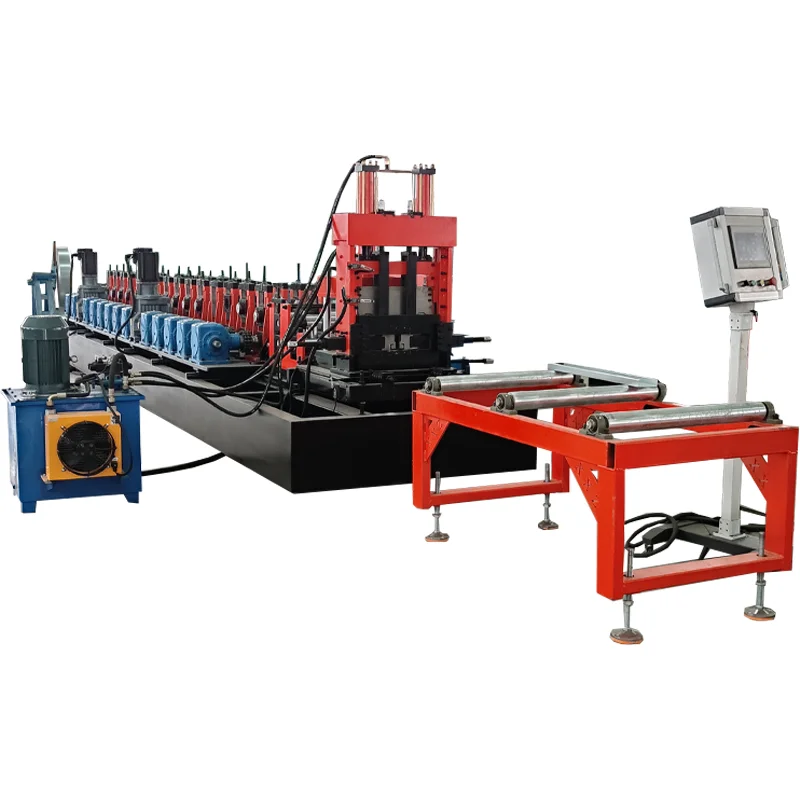
In the modern agricultural and industrial landscape, the demand for efficient, durable, and scalable storage solutions has never been higher. The steel silo making machine stands at the forefront of this evolution, enabling the rapid production of high-strength corrugated sheets that form the backbone of grain, cement, and water storage systems worldwide. By automating the roll-forming process, these machines ensure that storage structures are not only airtight and weather-resistant but also structurally sound enough to withstand immense internal pressures.
Globally, the optimization of food security and raw material management depends heavily on the availability of cost-effective storage. A high-quality steel silo making machine allows manufacturers to produce customized silo panels with precise tolerances, reducing material waste and significantly shortening the installation time on-site. This efficiency is critical for emerging economies and large-scale agricultural hubs that need to scale their infrastructure rapidly to prevent post-harvest losses.
Understanding the technical nuances of these machines—from the precision of the rollers to the automation of the cutting systems—is essential for any business looking to enter the metal storage market. Whether it is producing 1-2.5mm sheets for water tanks or heavier gauges for industrial grain silos, the right equipment transforms raw steel coils into high-value infrastructure, driving economic growth and industrial sustainability across the globe.
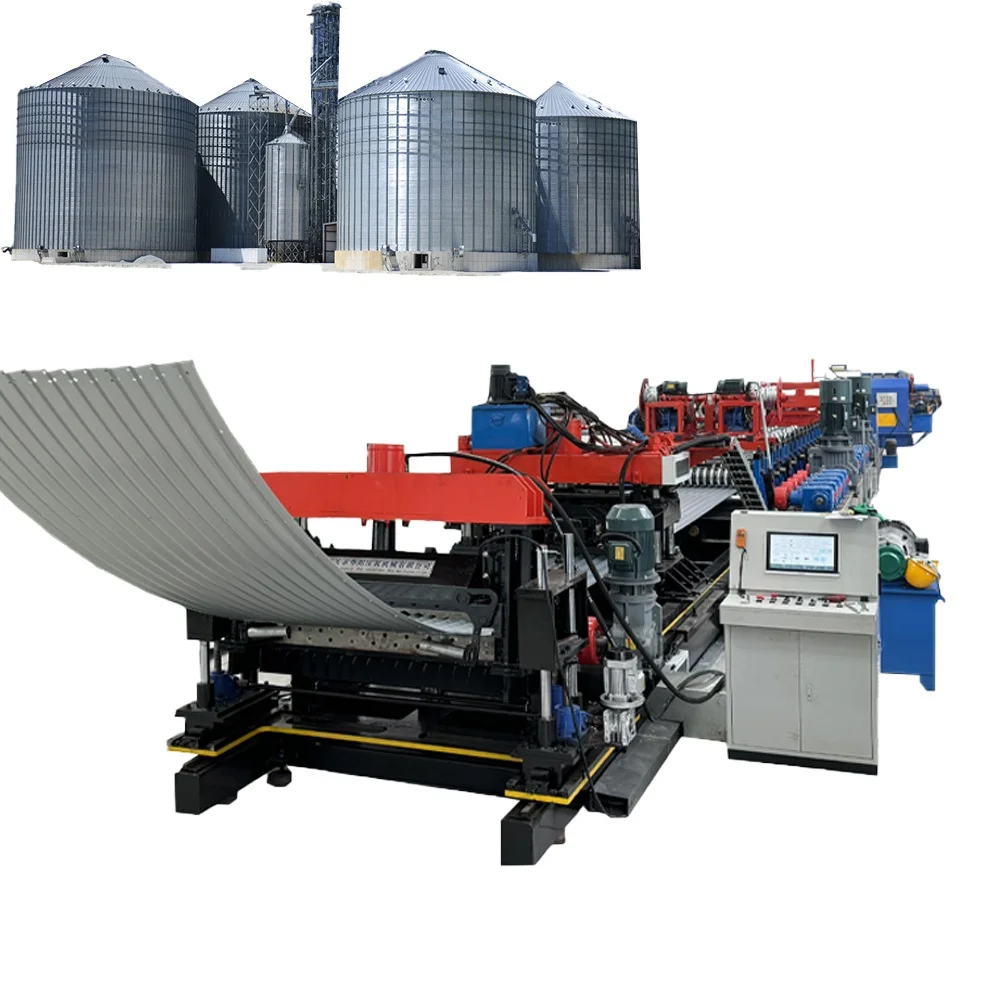
Global Relevance of Steel Silo Making Machine
The global demand for specialized storage is skyrocketing, driven by a growing world population and the need for more resilient supply chains. According to data aligned with ISO standards for structural steel, the shift toward galvanized corrugated steel silos has replaced traditional concrete structures due to the superior speed of deployment provided by the steel silo making machine. In regions like Sub-Saharan Africa and Southeast Asia, these machines are pivotal in reducing grain spoilage, which can account for up to 30% of total harvests in underdeveloped storage environments.
Beyond agriculture, the industrial application of these machines extends to chemical storage and water management. The ability to produce high-precision, corrosion-resistant panels allows for the construction of massive reservoirs and silos that can be shipped in flat-packs and assembled on-site. This logistical advantage makes the equipment indispensable for international development projects and industrial expansion in remote areas where traditional construction is cost-prohibitive.
Defining the Steel Silo Making Machine Technology
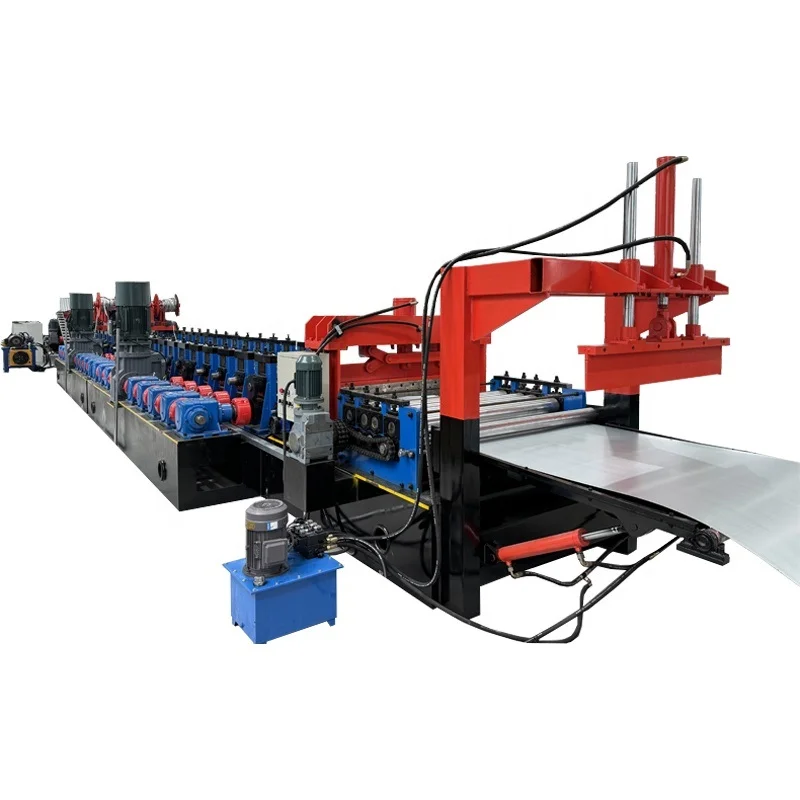
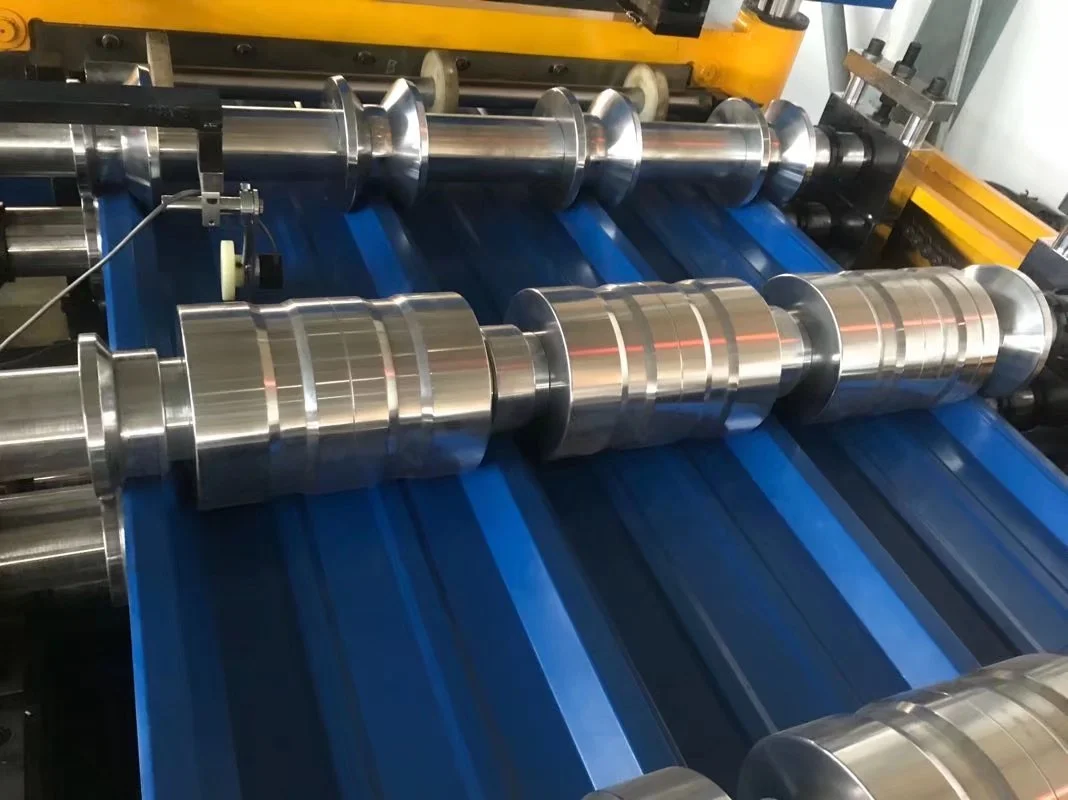
At its core, a steel silo making machine is a sophisticated piece of cold-roll forming equipment designed to transform flat galvanized steel coils into curved, corrugated sheets. This process involves a series of rollers that gradually bend the metal into a specific profile, which provides the necessary structural rigidity to support the weight of thousands of tons of material without buckling.
The connection between this technology and modern humanitarian needs is profound. By enabling the local production of storage silos, countries can enhance their food sovereignty and protect their economic interests. Instead of importing expensive, pre-fabricated tanks, local entrepreneurs can use a steel silo making machine to create customized storage solutions tailored to the specific climate and crop types of their region.
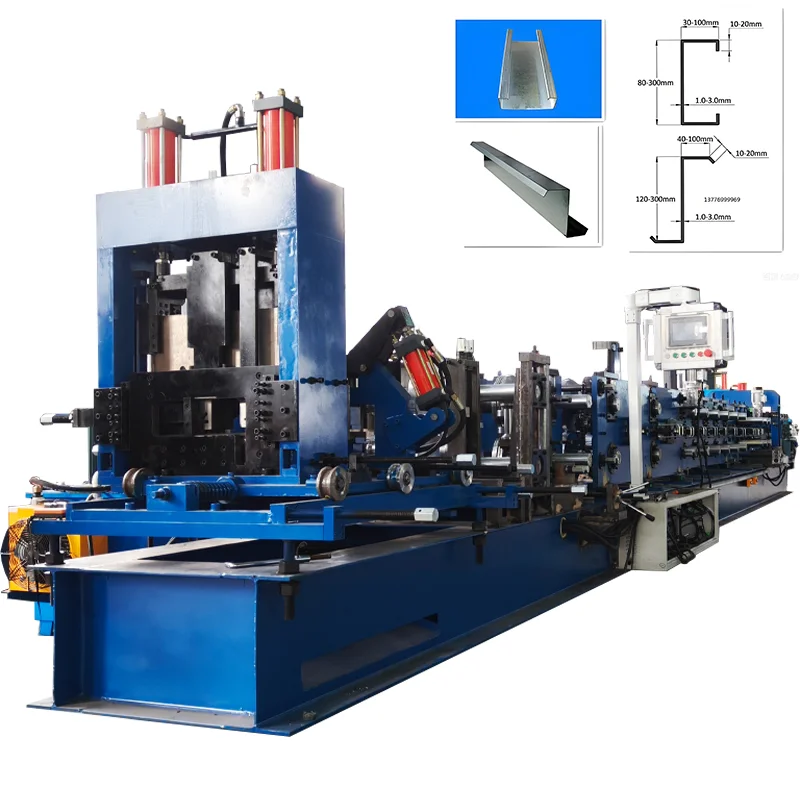
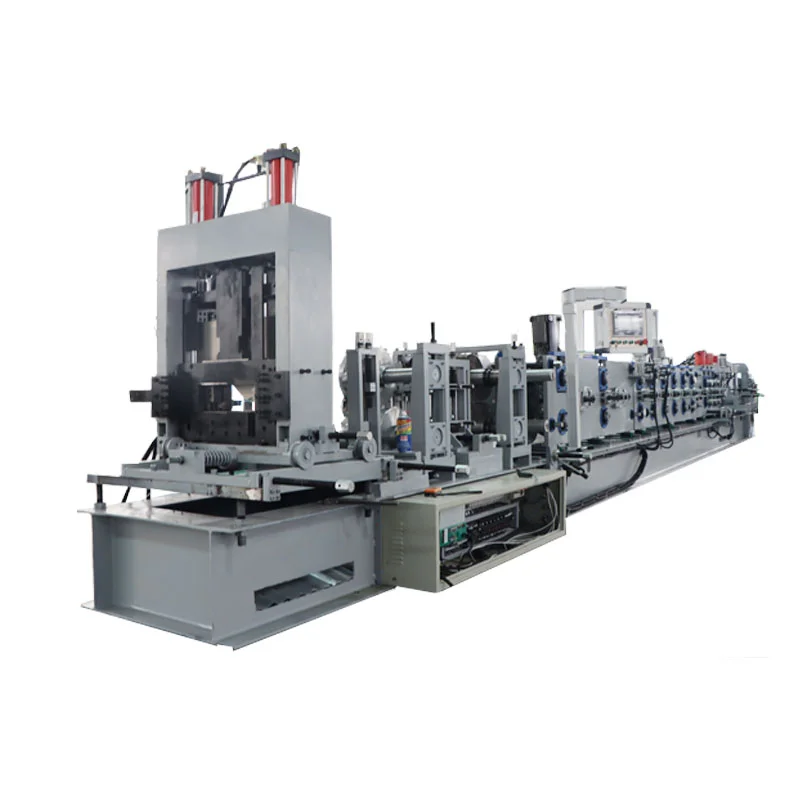
From a technical perspective, these machines integrate hydraulic cutting, PLC control systems, and precision-engineered rollers. The result is a seamless production line that ensures every panel is identical, allowing for "bolt-together" assembly that requires minimal skilled labor on-site, thereby democratizing the construction of high-grade industrial storage.
Core Components and Technical Factors
Durability is the first pillar of a high-performance steel silo making machine. The rollers are typically crafted from high-grade alloy steel and subjected to rigorous heat treatment to prevent wear and tear during the processing of hard galvanized sheets. This ensures that the corrugation depth remains consistent over millions of cycles, preventing structural weak points in the final silo.
Scalability and precision are achieved through the integration of advanced PLC (Programmable Logic Controller) systems. A modern steel silo making machine allows operators to adjust the length and curvature of the sheets with digital precision, meaning a single production line can support various silo diameters—from small farm-scale bins to massive industrial warehouses.
Cost efficiency is realized through the minimization of scrap material. By utilizing precision hydraulic shearing and optimized roll-forming sequences, the steel silo making machine ensures that the maximum amount of steel from each coil is utilized. This not only lowers the cost per unit for the manufacturer but also reduces the environmental footprint of the production process.
Real-World Applications and Use Cases
In the agricultural sector, the application of the steel silo making machine is most evident in the production of grain silos. In the Midwestern United States and the plains of Ukraine, these machines produce the corrugated walls that keep corn, wheat, and soy dry and pest-free. The ability to rapidly deploy these structures allows farmers to store their harvest during peak season and sell when market prices are more favorable.
Beyond farming, in remote industrial zones or post-disaster relief operations, the need for clean water storage is critical. Specialized versions of the steel silo making machine are used to create large-scale water tanks. These tanks are essential for providing potable water to displaced populations or supporting mining operations in arid regions where water must be transported and stored in massive quantities.
Efficiency Comparison of Silo Production Methods
Tangible Advantages and Long-Term Value
The long-term value of investing in a steel silo making machine lies in the synergy of reliability and sustainability. Unlike concrete silos, which are permanent and difficult to modify, steel silos produced by these machines are modular. They can be expanded, disassembled, and relocated, providing a level of flexibility that is essential for growing businesses. This adaptability reduces the long-term risk of infrastructure obsolescence.
From an emotional and logical angle, the safety and dignity provided by secure storage cannot be overstated. For a community, knowing that their food supply is protected from moisture and pests creates a sense of security and trust in their local economy. The innovation brought by the steel silo making machine empowers local producers to move from subsistence to commercial viability, fostering economic independence and stability.
Future Trends and Automation Innovations
The future of the steel silo making machine is being shaped by the "Industry 4.0" revolution. We are seeing the integration of IoT (Internet of Things) sensors within the machines to monitor roller wear in real-time, allowing for predictive maintenance that eliminates unplanned downtime. This digital transformation ensures that production lines can run 24/7 with minimal human intervention, further driving down the cost of steel storage.
Sustainability is also driving material innovation. New generations of steel silo making machine equipment are being optimized to handle high-strength, low-alloy steels and eco-friendly coatings. These materials allow for thinner sheets to be used without sacrificing strength, reducing the overall carbon footprint of the steel production process while maintaining the structural integrity of the silos.
Furthermore, the move toward full automation—including robotic loading and automatic stacking of finished panels—is reducing labor costs and increasing safety. The convergence of AI-driven design and automated fabrication means that silos can now be custom-engineered for extreme weather conditions, such as high-wind zones or seismic areas, with a simple change in the machine's software parameters.
Overcoming Challenges in Silo Production
Despite the advantages, manufacturers often face challenges such as material spring-back and roller misalignment. Material spring-back occurs when the steel tries to return to its original flat shape after being formed, which can lead to gaps in the silo wall. To solve this, a high-end steel silo making machine employs over-bending techniques and precision-calculated roller diameters to ensure the final curve is exact.
Another common limitation is the wear of rollers when processing high-gauge steel. Expert insights suggest the use of tungsten carbide coatings or advanced chrome plating to extend the lifespan of the components. By implementing a strict maintenance schedule and using high-precision leveling machines before the roll-forming process, operators can maintain a high quality of output over the long term.
Finally, the complexity of international shipping for large machines can be a hurdle. Modern manufacturers have solved this by designing the steel silo making machine in modular sections. This allows the equipment to be shipped in standard containers and assembled quickly at the customer's factory, reducing logistics costs and making the technology accessible to smaller markets.
Comparative Analysis of Steel Silo Making Machine Performance Metrics
| Machine Model | Material Thickness Range | Production Speed (m/min) | Precision Score (1-10) |
|---|
| Standard Series A | 1.0mm - 2.0mm | 12-15 | 7 |
| Heavy Duty Series B | 2.0mm - 4.2mm | 8-10 | 8 |
| Precision Pro Max | 1.0mm - 3.0mm | 18-22 | 10 |
| Eco-Compact Line | 0.8mm - 1.5mm | 15-20 | 7 |
| Industrial Giant X | 3.0mm - 5.0mm | 5-7 | 9 |
| Universal Hybrid | 1.0mm - 4.0mm | 10-14 | 8 |
FAQS
Production capacity varies by model and material thickness. For standard 1.5mm sheets, a high-efficiency machine can produce between 10 to 20 meters of corrugated panel per minute. When considering the full cycle—including coil loading and final cutting—most industrial lines can produce enough panels for a medium-sized silo in a matter of days, significantly faster than traditional construction methods.
Yes, most modern steel silo making machines are designed for flexibility. While the corrugation profile is fixed by the rollers, the length of the sheet and the overall curvature can be adjusted via the PLC control system. By producing panels of varying lengths and counts, a single machine can support the construction of silos with diameters ranging from 3 meters to over 30 meters.
Galvanized steel is the industry standard due to its corrosion resistance and strength. However, many machines can also process Galvalume (aluminum-zinc alloy) or pre-painted galvanized steel for aesthetic or specialized environmental requirements. The thickness typically ranges from 1mm to 4.2mm, depending on the intended load-bearing capacity of the final storage structure.
Airtightness is achieved through the precision of the roll-forming process and the quality of the assembly. A high-precision steel silo making machine ensures that panel edges are perfectly straight and consistent. When combined with high-grade industrial sealants and precise bolting patterns during installation, the resulting silo is effectively airtight and moisture-proof.
Yes, cold-roll forming is inherently more energy-efficient than hot-rolling or concrete casting. Modern machines utilize high-efficiency motors and optimized hydraulic systems to reduce electricity consumption. Additionally, because they produce minimal waste, the overall environmental impact per ton of storage capacity is significantly lower than traditional alternatives.
With proper maintenance—such as regular lubrication and roller inspections—a professional-grade machine can last 10 to 15 years. The rollers, being the primary wear point, may need refurbishment or replacement every few years depending on the volume of production and the hardness of the steel coils used. Predictive maintenance sensors in newer models now help pinpoint exactly when parts need replacing.
Conclusion
The steel silo making machine is more than just a piece of industrial equipment; it is a critical tool for global food security and industrial efficiency. By combining high-precision engineering with automated roll-forming technology, these machines allow for the rapid creation of durable, scalable, and cost-effective storage solutions that protect vital resources from environmental degradation. From the selection of high-grade alloy rollers to the integration of PLC systems, every technical detail contributes to a product that supports economic growth on a global scale.
Looking forward, the integration of AI and green materials will further refine the production of steel silos, making them even more sustainable and easier to deploy. For businesses aiming to capitalize on the increasing demand for industrial storage, investing in a high-quality production line is the most strategic move toward long-term profitability and operational excellence. We invite you to explore our comprehensive range of solutions to elevate your manufacturing capabilities. Visit our website: www.hyrollformingmachine.com