The global construction landscape is undergoing a significant shift toward standardized, high-safety components, making the role of a professional machine scaffolding making machine more critical than ever. These advanced systems allow for the mass production of galvanized scaffold plates, ladder plates, and walk boards that meet rigorous international safety standards, ensuring that workers can operate at height with complete confidence.
Understanding the mechanics of a modern machine scaffolding making machine reveals a sophisticated blend of CNC precision and metallurgical science. By utilizing cold roll forming technology and hardened alloy steel rollers, manufacturers can create structural components that are not only lightweight but also possess immense load-bearing capacity and superior corrosion resistance.
Investing in an automated production line transforms the economics of scaffolding fabrication, shifting the focus from labor-intensive manual cutting to high-throughput industrial efficiency. For scaffolding suppliers and industrial fabricators, adopting a machine scaffolding making machine is the key to minimizing material waste while maximizing the consistency and durability of every foot pedal and plank produced.

Global Relevance of Scaffold Plate Production
In the current era of rapid urbanization, the demand for safe and durable temporary structures has spiked globally. According to industrial safety standards and ISO guidelines, the integrity of scaffolding components is paramount to preventing on-site accidents. This has placed immense pressure on manufacturers to move away from outdated fabrication methods and embrace the precision of a machine scaffolding making machine.
The challenge lies in balancing high-volume production with the strict tolerances required for interlocking scaffold parts. A failure in dimensional consistency can lead to unstable platforms, posing severe risks to construction personnel. By integrating PLC-controlled automation, modern production lines ensure that every galvanized plate produced is an exact replica of the safety-certified prototype, regardless of the batch size.
Defining the Machine Scaffolding Making Machine
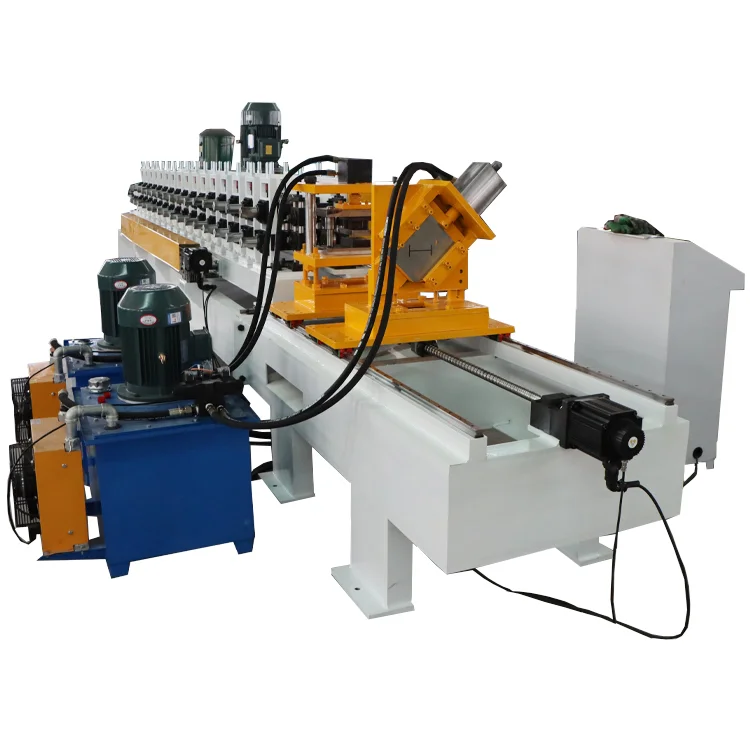
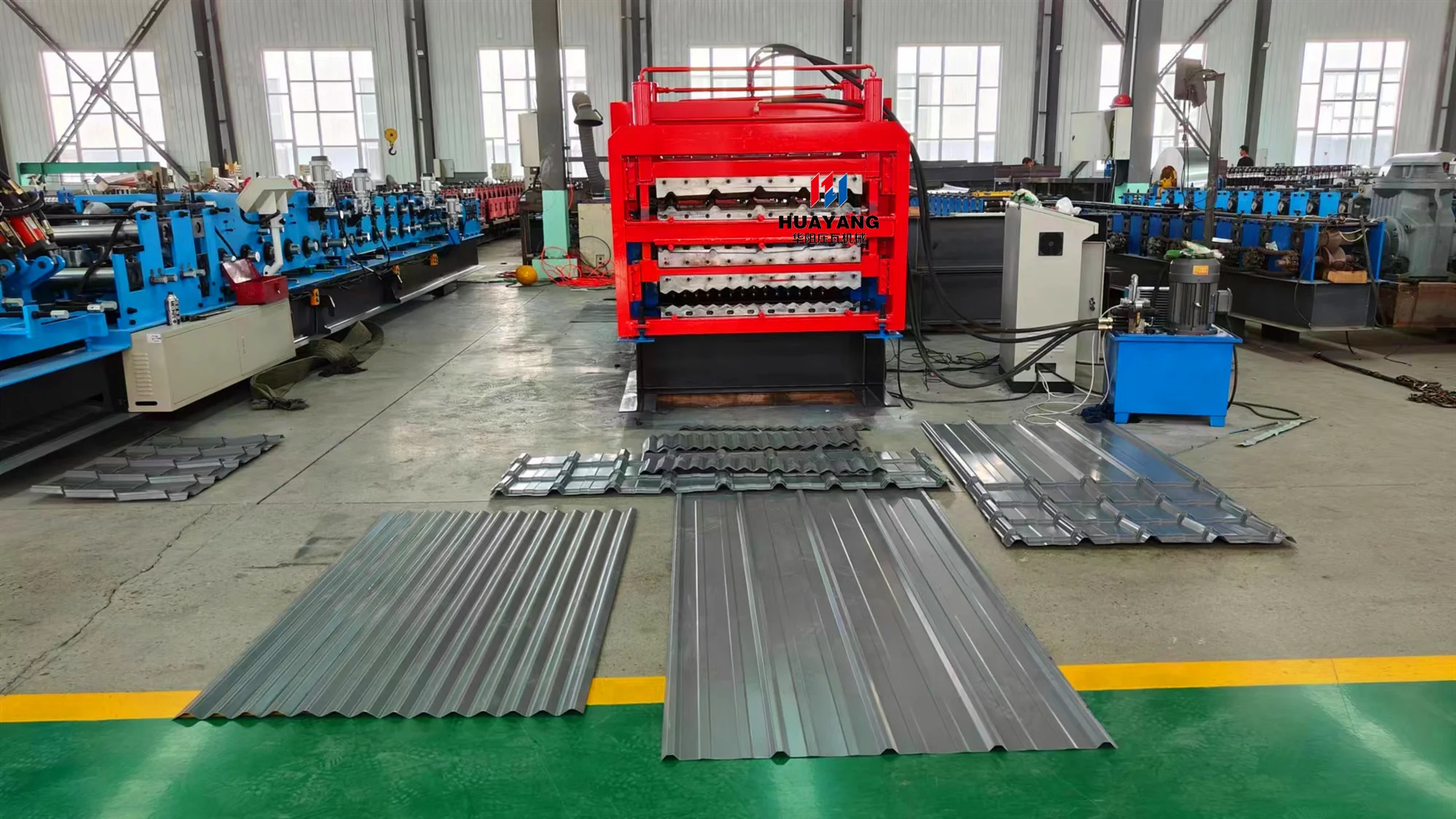
A machine scaffolding making machine is a specialized industrial roll forming system designed to transform galvanized steel coils into high-strength construction components. This includes the production of walk boards, foot pedals, and ladder plates through a process of gradual bending and precision cutting, ensuring the structural ribs and anti-slip textures are perfectly formed.
Unlike traditional stamping or manual welding, this machinery utilizes a series of CNC-machined rollers that shape the metal incrementally. This "cold roll forming" approach is essential for maintaining the integrity of the galvanized coating, which protects the steel from rust and corrosion in harsh outdoor environments—a critical requirement for any construction equipment intended for long-term rental or reuse.
Essentially, these machines serve as the backbone of the scaffolding supply chain. By integrating decoiling, leveling, punching, and hydraulic cutting into a single synchronized line, the machine ensures that the final product is not only geometrically accurate but also possesses the physical durability needed to withstand the rigorous demands of modern industrial job sites.
Core Components for Industrial Precision
The effectiveness of a machine scaffolding making machine relies heavily on its hardened alloy steel rollers. These CNC-machined components are engineered to apply precise pressure at specific intervals, creating the necessary ribs and folds in the galvanized steel without compromising the material's thickness or surface finish.
At the heart of the operation is the PLC Touchscreen Control system. This intelligent interface allows operators to adjust plate length, rib height, and hole spacing in real-time. This level of control ensures that the machine scaffolding making machine can adapt to various custom profiles and thickness specifications with minimal downtime.
Furthermore, the integration of servo-controlled feeding rollers and hydraulic flying cut-off systems eliminates the inconsistencies found in manual operation. This ensures that the production flow—from the initial decoiling of the steel coil to the final automated stacking of the finished planks—remains seamless and highly repeatable across thousands of units.
Performance Metrics and Production Efficiency
Comparing traditional fabrication to an automated machine scaffolding making machine reveals a stark difference in operational ROI. Manual fabrication is plagued by high labor costs and significant material waste due to imprecise cutting. In contrast, an integrated roll forming line minimizes scrap through precision CNC control and maximizes hourly throughput through synchronized automation.
The efficiency gains are most evident in the "Setup Time" and "Quality Consistency" metrics. While conventional methods require lengthy manual adjustments for different plate sizes, a modular machine scaffolding making machine allows for rapid profile switching, enabling manufacturers to respond to diverse market needs without sacrificing production speed.
Comparative Efficiency of Scaffolding Production Methods
Real-World Applications in Construction
The output of a machine scaffolding making machine is utilized in every major construction sector. In large-scale infrastructure projects, such as bridge building or skyscraper erection, the precision-engineered walk boards ensure a stable footing for thousands of workers. The ability to produce anti-slip textures and perforated surfaces directly within the forming process is a critical safety feature that prevents slips in wet or oily environments.
Beyond urban centers, these machines support the production of equipment for remote industrial zones and post-disaster relief operations. In these scenarios, the durability and corrosion resistance of the galvanized plates—preserved by the gentle pressure of the roll forming process—ensure that the scaffolding remains safe and functional even when exposed to salt spray or extreme humidity for extended periods.
Long-Term Value and Safety Impact
The long-term value of investing in a machine scaffolding making machine extends far beyond mere production speed; it is an investment in safety and trust. When a scaffolding supplier can guarantee that every single component is CNC-controlled and dimensionally consistent, they reduce the risk of structural failure on site, thereby protecting human lives and reducing legal liabilities.
From a sustainability perspective, the precision of these machines significantly lowers the environmental footprint of fabrication. By utilizing servo-controlled feeding and precision cutting, the amount of steel scrap sent to landfills is minimized. This lean manufacturing approach not only reduces costs but also aligns with global green building initiatives and industrial sustainability goals.
Moreover, the reliability of heavy-duty frames and reinforced components ensures that the machinery itself has a long operational lifespan. With minimal maintenance requirements and the ability to upgrade modules as the business grows, a high-quality machine scaffolding making machine provides a scalable foundation for growth in the competitive global equipment market.
Future Innovations in Roll Forming Technology
The future of the machine scaffolding making machine is trending toward complete digital transformation. We are seeing the integration of IoT sensors that provide real-time quality monitoring, alerting operators to the slightest deviation in plate thickness or rib height. This transition to "Smart Manufacturing" allows for a zero-defect production environment.
Advances in material science are also influencing machine design. As new, higher-strength alloys and eco-friendly coatings emerge, the modular nature of modern roll forming units allows manufacturers to swap roller sets and adjust pressure settings without replacing the entire line. This flexibility ensures that the production process can evolve alongside the materials it shapes.
Ultimately, the goal is a fully autonomous production ecosystem where the machine scaffolding making machine communicates directly with logistics systems to organize finished plates for immediate shipment. This level of integration will further drive down the cost of safety-certified scaffolding, making high-quality construction components accessible to projects worldwide.
Comparison of Production Performance: Traditional vs. Automated Systems
| Metric | Conventional Fabrication | Botou Huangyang System | Industrial Impact |
|---|
| Production Speed | Low / Manual | High / Automated | Faster Market Delivery |
| Material Waste | Significant | Minimized (Precision) | Cost Reduction |
| Labor Cost | High (Manual) | Low (Integrated) | Improved Profit Margins |
| Consistency | Variable | Uniform (CNC) | Enhanced Site Safety |
| Setup Time | Lengthy | Rapid (Modular) | Operational Flexibility |
| Coating Integrity | Prone to Damage | Preserved (Gradual) | Longer Product Life |
FAQS
Our machines are primarily designed for galvanized steel coils, which are ideal for construction environments due to their high corrosion resistance. However, we can customize the rollers and feeding systems to handle various steel thicknesses and widths based on your specific project requirements and regional standards.
Yes, our systems can integrate specialized embossing and punching units directly into the production line. This allows the machine scaffolding making machine to create anti-slip patterns and perforations during the forming process, significantly enhancing worker safety on site by providing better grip in adverse weather conditions.
Thanks to our modular design and adjustable roller stations, switching between different scaffold profiles is significantly faster than with conventional fabrication methods. This reduces idle downtime and allows your facility to produce a wider variety of plates and pedals to meet diverse market needs efficiently.
No. Our CNC-machined rollers are specifically engineered to apply pressure gradually across the material. This prevents the scratching or peeling of the galvanized layer, ensuring that the material's full corrosion resistance is preserved for long-term outdoor usability.
Absolutely. We provide a comprehensive support package that includes professional installation guidance, detailed technical documentation, and hands-on operator training. We also offer remote troubleshooting to ensure your machine scaffolding making machine continues to run at peak efficiency.
Yes, our machines are designed for scalability. As your business grows, you can upgrade your production line with additional forming stations, higher-speed drives, or enhanced automation modules to increase throughput and diversify your product range.
Conclusion
The adoption of a professional machine scaffolding making machine represents a pivotal shift from manual labor to precision engineering. By combining CNC-machined rollers, PLC automation, and a commitment to maintaining galvanized coating integrity, manufacturers can produce scaffolding components that are safer, more durable, and more cost-effective. The integration of these systems not only boosts production throughput but also ensures that every walk board and foot pedal meets the rigorous safety demands of the global construction industry.
Looking forward, the move toward smarter, more modular roll forming technology will continue to redefine construction safety and efficiency. For companies aiming to remain competitive in a fast-paced global market, investing in high-precision automation is no longer optional—it is a strategic necessity. We invite you to explore how our advanced engineering can transform your production capabilities. Visit our website: www.hyrollformingmachine.com