The global metal fabrication industry is currently undergoing a significant shift toward high-automation systems to meet the rising demand for durable infrastructure. Among these advancements, the specialized iron sheet making machine has emerged as a cornerstone for producing precision-engineered panels, particularly for water storage and industrial silos. By integrating advanced cold roll forming technology, these machines allow manufacturers to transition from labor-intensive manual bending to streamlined, high-output production lines.
From a global perspective, the ability to rapidly produce standardized, high-strength metal sheets is critical for addressing water scarcity and food security through the construction of large-scale tanks and grain silos. As international standards for structural integrity and material efficiency become more stringent, the role of precision machinery becomes indispensable. The adoption of an automated system ensures that every panel produced meets rigorous dimensional tolerances, reducing waste and enhancing the lifespan of the final structure.
For businesses looking to scale their operations, investing in a high-performance iron sheet making machine is no longer optional but a strategic necessity. By focusing on the synergy between PLC control systems and CNC-machined rollers, manufacturers can achieve a level of consistency and speed that traditional methods simply cannot match, ultimately driving down the cost per unit while increasing overall market competitiveness.

The Core Functionality of the Iron Sheet Making Machine
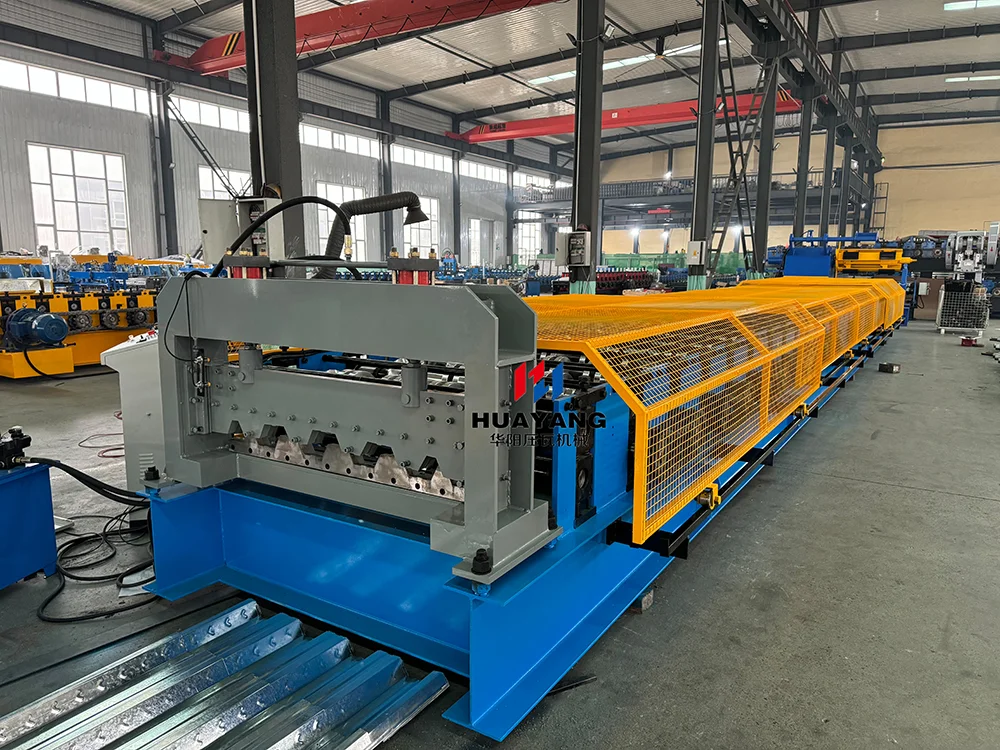
An automated iron sheet making machine operates on the principle of cold roll forming, where a flat metal strip is passed through a series of rollers. Each set of rollers gradually bends the material into the desired profile, ensuring that the metal is shaped without excessive stress or deformation. This continuous process is ideal for producing water tank panels and silo sheets, as it maintains a high level of consistency across thousands of units.
The integration of feeding, leveling, punching, and cutting into a single streamlined line eliminates the need for multiple manual hand-offs. By automating the sequence from raw coil to finished panel, the machine significantly minimizes human error and material waste, allowing operators to focus on quality control rather than repetitive physical labor.
Key Technical Components for High Precision
At the heart of a high-performance iron sheet making machine are the CNC-machined forming rollers. These rollers are crafted from high-grade steel and undergo rigorous heat treatment and chrome coating. This process ensures extreme wear resistance, which is critical when processing materials like galvanized steel or stainless steel with thicknesses up to 2.5mm, preventing the rollers from wearing down and maintaining strict dimensional accuracy.
The intelligence of the system is driven by a PLC (Programmable Logic Controller) and a user-friendly touchscreen interface. This allows operators to input precise specifications for length, quantity, and cutting speed. Because the system is fully automated, it removes the variability associated with manual measurements, ensuring that every panel produced is identical and fits perfectly during the final assembly of the water tank or silo.
Structural stability is provided by a heavy-duty frame designed to minimize vibration during high-speed operation. A stable frame is essential for maintaining the alignment of the forming stations, especially when the machine is under high load. By reducing vibration, the machinery extends its own service life and ensures that the surface quality of the metal sheets remains smooth and free of defects.
Industrial Applications and Material Compatibility
The versatility of the modern iron sheet making machine allows it to process a wide variety of metals. While galvanized steel is the most common choice for its corrosion resistance, the equipment is equally capable of handling stainless steel and aluminum. This compatibility makes it an ideal solution for industries ranging from agricultural grain storage to municipal water management.
In practical terms, using an iron sheet making machine for water tank production means panels can be tailored for residential, industrial, or agricultural use. The ability to adjust the machine for thicknesses between 1mm and 2.5mm ensures that the resulting tanks can withstand the specific hydrostatic pressures required for different storage capacities.
Furthermore, these machines are deployed in various global contexts, from remote industrial zones requiring rapid infrastructure setup to urban centers upgrading their water storage systems. The efficiency of the roll forming process ensures that large-volume orders can be completed within short delivery windows, providing a scalable solution for global infrastructure projects.
Production Efficiency and Cost-Benefit Analysis
Transitioning to an automated iron sheet making machine drastically reduces the operational overhead associated with traditional metal bending. By combining multiple stages of production—such as punching and cutting—into one continuous flow, labor requirements are slashed. This not only lowers the cost per panel but also increases the overall throughput of the factory.
Beyond labor, the precision of the automated feeding and cutting system minimizes raw material scrap. In high-volume production, even a small reduction in material waste can lead to significant annual savings. When combined with the energy-efficient transmission systems of modern machinery, the long-term ROI becomes highly attractive for manufacturers.
Comparative Efficiency of Iron Sheet Making Machine Methods
Long-Term Value and Structural Reliability
The long-term value of employing a professional iron sheet making machine lies in the structural integrity of the end product. Because the cold roll forming process shapes the metal gradually, it avoids the micro-cracks and stress points often created by press braking. This results in panels that are not only more durable but also possess better sealing properties, which is critical for water-tight tanks.
Moreover, the reliability of the machinery itself ensures consistent production for years. With chrome-coated rollers and a heavy-duty steel frame, the equipment requires minimal maintenance compared to older mechanical systems. This reliability translates into trust for the end consumer, who receives a product manufactured to exact specifications.
Innovation Trends in Roll Forming Technology
The future of the iron sheet making machine is closely tied to the digital transformation of the manufacturing sector. We are seeing an increase in "Smart Factory" integrations, where machines are connected to a central network to monitor production data in real-time. This allows for predictive maintenance, where the system can alert operators before a component fails, virtually eliminating unplanned downtime.
Sustainability is also driving innovation. New transmission systems are being designed to lower power consumption, and there is a growing emphasis on using recycled metal sheets. The ability of modern roll formers to handle varying grades of recycled steel without compromising precision is a key step toward a more circular economy in metal fabrication.
Additionally, the integration of advanced servo motors is replacing traditional hydraulic systems in some areas to provide even more precise cutting and feeding. This shift allows for thinner tolerances and higher speeds, further pushing the boundaries of what is possible in high-precision sheet metal processing.
Customization Strategies for Diverse Market Needs
Every market has unique requirements for panel profiles and punching patterns. A flexible iron sheet making machine allows manufacturers to offer customized solutions. By swapping roller sets or adjusting the PLC parameters, a single production line can produce different panel designs for residential water tanks, industrial silos, or agricultural feed troughs.
Professional engineering teams now offer tailor-made configurations based on specific customer drawings. This includes customized punching systems for specific bolt patterns or unique cutting solutions for non-standard panel lengths. Such flexibility ensures that manufacturers can pivot quickly to meet new market demands without investing in entirely new machinery.
The combination of standard reliability and custom flexibility makes these machines a powerful tool for business growth. By providing tailored solutions, companies can enter niche markets and offer specialized products that competitors using generic equipment cannot produce, thereby strengthening their position in the global supply chain.
Technical Analysis of Customization Dimensions for Iron Sheet Making Machines
| Customization Feature | Technical Impact | Application Scenario | Performance Score (1-10) |
|---|
| Roller Profile Change | Alters panel shape | Silo vs. Water Tank | 10 |
| Material Thickness Adj. | Changes load capacity | 1.0mm to 2.5mm sheets | 9 |
| Custom Punching Pattern | Modifies assembly holes | Specialized Bolt Fittings | 8 |
| PLC Logic Update | Optimizes cutting length | Non-standard panel sizes | 10 |
| Servo-Cutting Upgrade | Increases cut precision | High-tolerance projects | 9 |
| Coating Customization | Improves roller lifespan | High-abrasion materials | 7 |
FAQS
Our machines are designed for versatility and can process a wide range of metal sheets, including galvanized steel, stainless steel, and aluminum. They are specifically optimized for thicknesses ranging from 1mm to 2.5mm, making them suitable for everything from lightweight agricultural panels to heavy-duty industrial water tank walls.
Automation integrates feeding, leveling, punching, forming, and cutting into one seamless process. This eliminates manual handling between stages, reduces human error in measurement, and allows for continuous high-speed operation. This results in a significantly higher output per hour and a drastic reduction in labor costs.
Yes, we offer comprehensive customization services. Based on your technical drawings, our engineering team can design specific roller profiles, customized punching patterns, and unique cutting lengths to ensure the machine produces exactly the type of panels your specific market requires.
The rollers are manufactured using CNC precision machining and are treated with heat processing and chrome coating. This enhances their hardness and wear resistance. With proper maintenance, these rollers are designed for long-term industrial use, maintaining precision over millions of cycles.
Accuracy is guaranteed through the combination of high-precision CNC rollers and a PLC control system. The PLC ensures exact feeding and cutting lengths, while the rigid heavy-duty frame prevents machine vibration, ensuring that every panel is shaped consistently without deviation.
Absolutely. We provide a complete support package including installation assistance, commissioning, operator training, and ongoing technical troubleshooting. Our after-sales network ensures that your production remains stable and any technical issues are resolved quickly to minimize downtime.
Conclusion
The implementation of an advanced iron sheet making machine represents a pivotal upgrade for any metal fabrication business aiming for precision, speed, and scalability. By transitioning to an automated cold roll forming process, manufacturers can ensure superior structural integrity for water tanks and silos while significantly reducing waste and labor costs. The synergy of CNC-machined components and intelligent PLC controls provides a foundation for consistent quality that is essential in today's competitive global market.
Looking forward, the integration of smart technology and sustainable materials will further enhance the value of these systems. For companies seeking to lead their industry, investing in customizable, high-precision machinery is the most effective way to ensure long-term growth and operational excellence. We invite you to explore our full range of solutions to optimize your production line. Visit our website: www.hyrollformingmachine.com