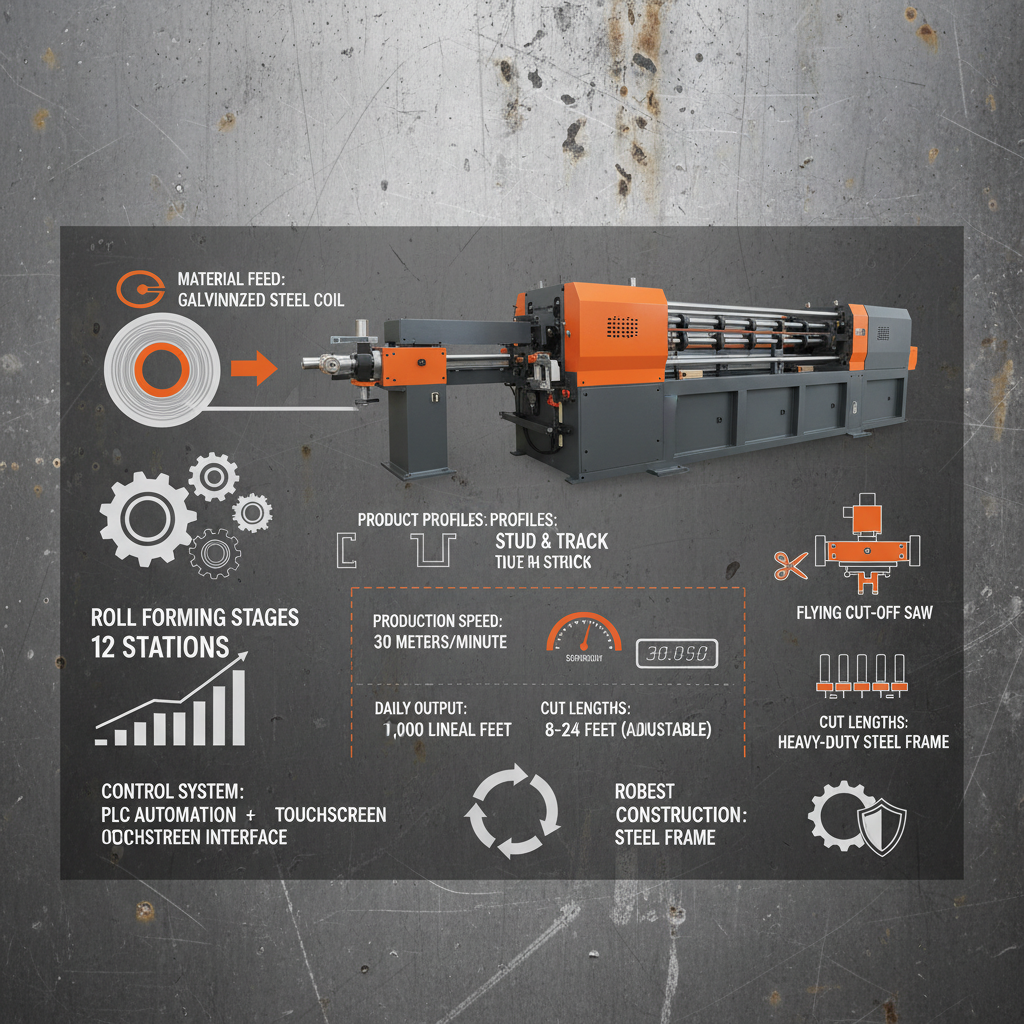
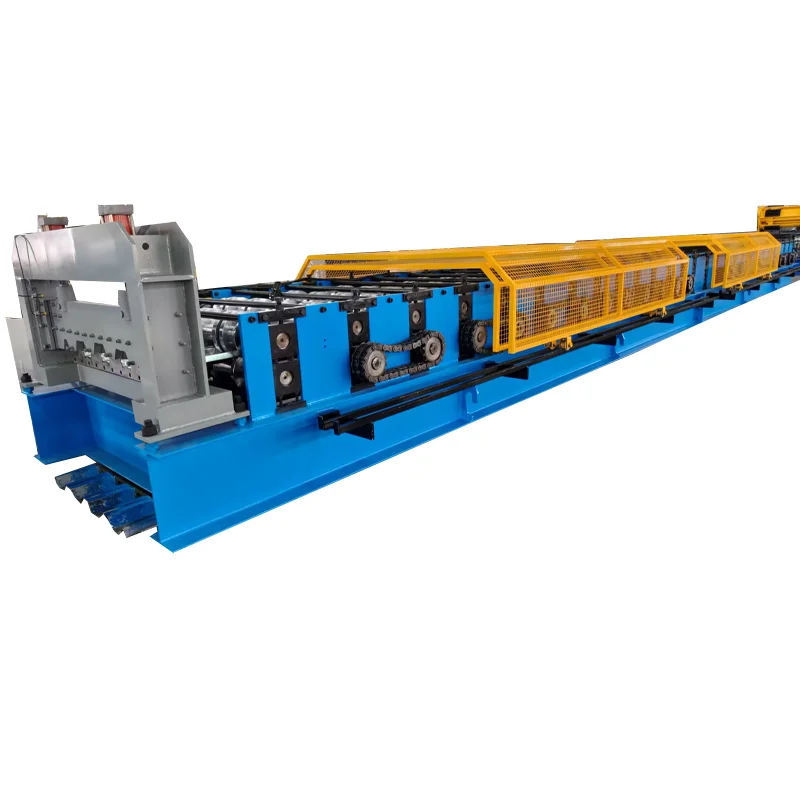
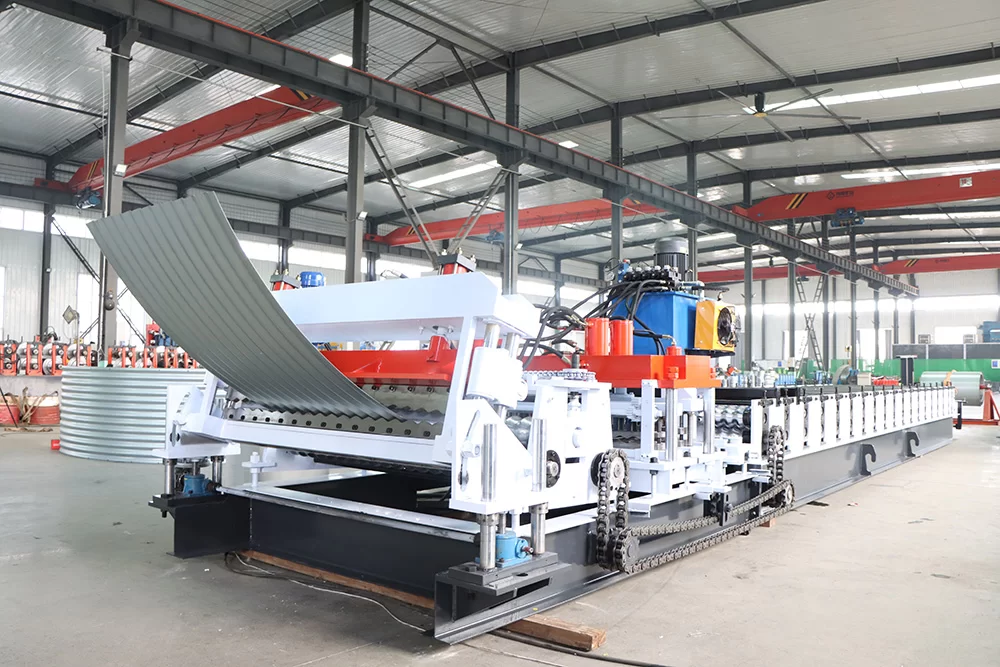
The modern construction landscape is undergoing a seismic shift toward lightweight, sustainable, and rapid-deployment framing systems. At the heart of this evolution is the stud and track roll forming machine, a sophisticated piece of industrial equipment designed to precision-engineer the skeletal structures of interior walls and ceilings. By transforming flat galvanized steel coils into high-strength C-studs and U-tracks, these machines enable builders to replace traditional timber with durable, fire-resistant, and termite-proof steel alternatives.
Understanding the mechanics and strategic implementation of a stud and track roll forming machine is no longer just a technical requirement for manufacturers—it is a commercial imperative. As urban density increases and the demand for modular housing grows globally, the ability to produce consistent, high-tolerance framing components at scale determines the competitive edge of a fabrication plant. The efficiency of these machines directly impacts the speed of on-site assembly and the overall structural integrity of the building.
Beyond mere production, the adoption of advanced roll forming technology addresses critical global challenges such as material waste and labor shortages. By utilizing a stud and track roll forming machine, companies can achieve near-zero waste through precise cutting lengths and optimized material usage. This synergy of engineering precision and environmental responsibility makes these machines indispensable for the next generation of sustainable architectural development.
Global Relevance of Stud and Track Roll Forming Machine
In the current global economy, the construction sector is under immense pressure to reduce carbon footprints while increasing the speed of delivery. Data from international building standards indicates a sharp rise in the adoption of Cold-Formed Steel (CFS) over traditional masonry and wood. The stud and track roll forming machine plays a pivotal role here, providing the standardized infrastructure needed for rapid urbanization in emerging markets and sustainable retrofitting in developed cities.
The challenge facing the industry is the volatility of raw material costs and the scarcity of skilled labor. By integrating a high-performance stud and track roll forming machine into the production line, manufacturers can mitigate these risks through automation. These machines ensure that every piece of steel produced meets ISO standards for dimensional accuracy, reducing on-site errors and the costly rework that often plagues large-scale commercial projects.
Defining the Stud and Track Roll Forming Machine
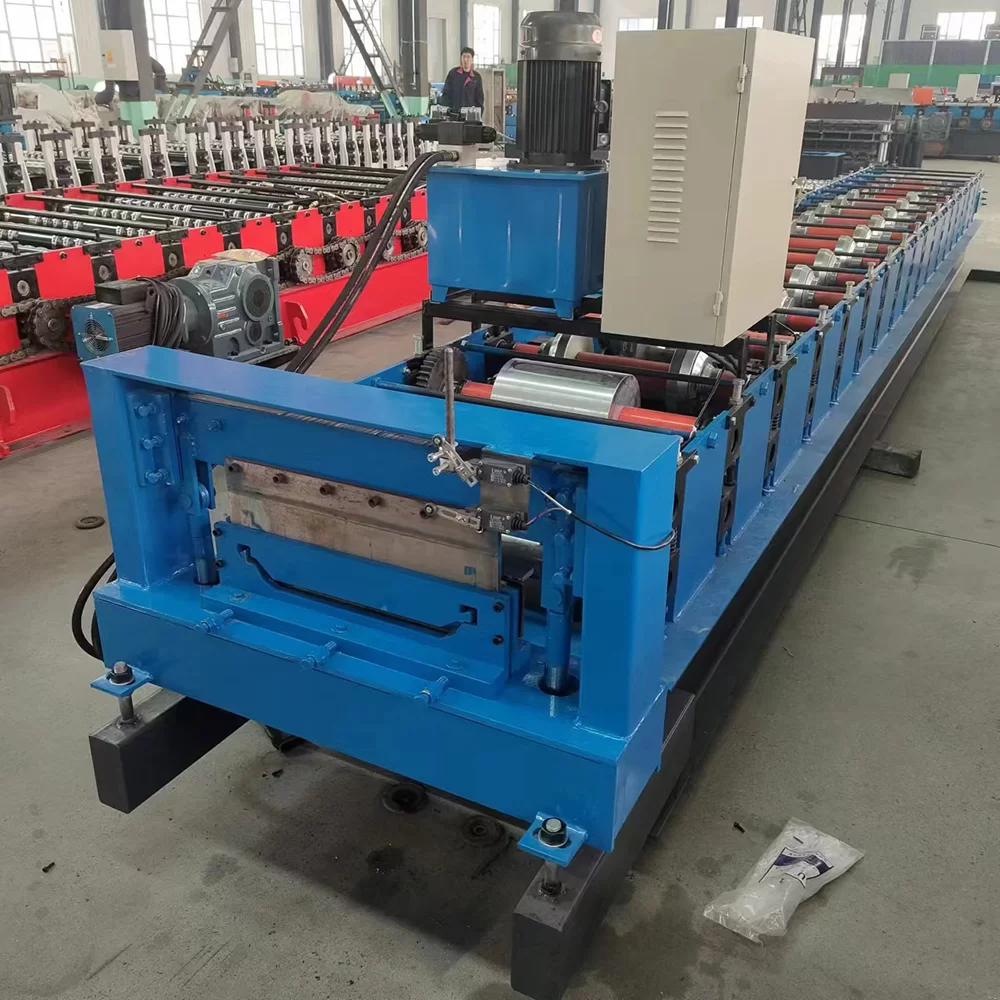
At its most basic level, a stud and track roll forming machine is a specialized industrial press that uses a series of continuous rollers to gradually bend a flat strip of metal into a specific cross-sectional profile. The "stud" refers to the vertical member (usually a C-shape), and the "track" refers to the horizontal member (usually a U-shape) that guides the studs. This process is distinct from pressing or stamping because it happens incrementally, ensuring that the metal is not stressed or weakened during the forming process.
In the context of modern industry, this machine is the engine behind "drywall" construction. Unlike wet construction, which relies on mortar and bricks, the components produced by a stud and track roll forming machine allow for a "click-and-fit" assembly process. This is crucial for humanitarian needs, such as the rapid deployment of temporary housing in disaster-stricken areas or the creation of affordable high-density housing in overpopulated urban centers.
Furthermore, the versatility of these machines allows for various gauges of steel and different profile sizes to be produced on a single line. This flexibility ensures that whether a project requires heavy-duty structural supports or light-duty interior partitions, the stud and track roll forming machine can be calibrated to deliver the exact specifications required by architectural engineers.
Core Components for Maximum Efficiency
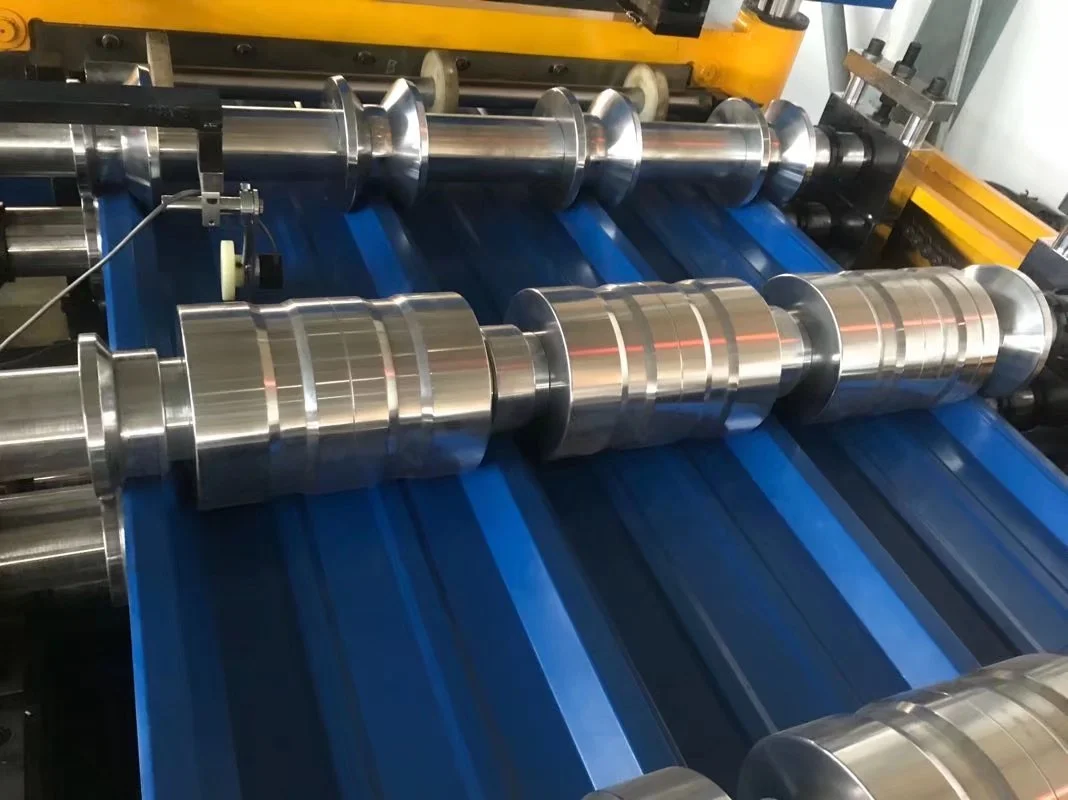
To ensure the longevity and precision of a stud and track roll forming machine, the quality of the forming rollers is paramount. These rollers, typically made from high-grade alloy steel and heat-treated for wear resistance, define the final geometry of the profile. A well-designed roller sequence prevents "spring-back," a common issue where the metal attempts to return to its flat state, thereby ensuring strict adherence to blueprint tolerances.
The control system, often powered by a PLC (Programmable Logic Controller), is the brain of the stud and track roll forming machine. It synchronizes the decoiler, the forming stations, and the hydraulic cutting system. This digitalization allows operators to switch between different lengths or profiles with a few keystrokes, drastically reducing downtime and increasing the overall throughput of the fabrication facility.
Finally, the integration of a high-precision cutting system—whether hydraulic or flying-shear—is what separates a standard machine from a professional-grade stud and track roll forming machine. Accurate cutting minimizes scrap metal, which not only lowers production costs but also aligns with global green building certifications by reducing industrial waste.
Global Applications and Industrial Use Cases
The versatility of the stud and track roll forming machine extends far beyond simple office partitions. In North America and Europe, these machines are extensively used for high-rise commercial buildings where weight reduction is critical for seismic safety. In these regions, light-gauge steel framing produced by roll forming is preferred over heavy steel beams for non-load-bearing walls, reducing the total dead load of the structure.
In developing regions, particularly in Southeast Asia and Africa, the application is often seen in rapid industrialization projects. For instance, in remote industrial zones, pre-fabricated panels framed by a stud and track roll forming machine allow for the quick erection of warehouses and worker dormitories. This "industrialized construction" approach minimizes the need for on-site skilled labor, which is often a bottleneck in these areas.
Efficiency Analysis of Stud and Track Roll Forming Methods
Long-Term Value and Sustainability Benefits
Investing in a stud and track roll forming machine provides a logical path toward long-term financial viability. By shifting from outsourced components to in-house production, manufacturers eliminate the middleman and reduce transportation costs. More importantly, the ability to produce custom lengths on-demand eliminates the need for massive inventories of pre-cut profiles, freeing up capital and warehouse space.
From an emotional and social perspective, the use of steel framing promotes safety and dignity in housing. Steel is inherently non-combustible, providing occupants with a higher level of security compared to timber. Additionally, the precision of a stud and track roll forming machine ensures that walls are perfectly plumb and square, resulting in higher quality finishes and a more professional aesthetic that increases the market value of the completed property.
Future Trends in Roll Forming Automation
The future of the stud and track roll forming machine is inextricably linked to the "Industry 4.0" movement. We are seeing the integration of IoT (Internet of Things) sensors that monitor roller wear in real-time, alerting operators to maintenance needs before a defect occurs. This shift from reactive to predictive maintenance ensures that production lines never stop unexpectedly, maintaining a seamless flow of materials.
Furthermore, the push toward "Green Steel" is influencing machine design. Newer iterations of roll forming equipment are being optimized for higher energy efficiency, utilizing regenerative braking systems in the motors to reduce electricity consumption. There is also a growing trend toward integrating AI-driven nesting software, which calculates the most efficient way to use a steel coil, further pushing the goal of zero-waste manufacturing.
We also anticipate a rise in "hybrid" machines—systems that can switch between stud and track profiles via quick-change cassettes. This will allow small-to-medium enterprises to operate a single stud and track roll forming machine to produce multiple product lines, democratizing the technology and allowing smaller firms to compete with global conglomerates.
Challenges and Expert Solutions for Producers
One of the most persistent challenges in operating a stud and track roll forming machine is the issue of material inconsistency. Variations in the thickness or yield strength of the incoming steel coils can lead to dimensional deviations in the finished profile. Expert producers solve this by implementing strict quality control protocols for raw materials and using adjustable forming stands that can be fine-tuned to accommodate slight variations in steel gauge.
Another common hurdle is the complexity of initial setup and calibration. For many operators, the learning curve for PLC programming can be steep. The solution lies in the adoption of intuitive, touch-screen HMI (Human Machine Interface) systems that replace complex coding with visual parameters. Training programs focusing on "lean manufacturing" principles also help operators maximize the output of their stud and track roll forming machine while minimizing errors.
Lastly, the environmental impact of industrial lubricants used in the roll forming process is a growing concern. The industry is moving toward biodegradable, water-based lubricants that provide the same reduction in friction and heat but are far easier to dispose of. By combining these sustainable lubricants with high-precision machinery, producers can meet stringent environmental regulations without sacrificing productivity.
Comparison of Technical Specifications for Stud and Track Production
| Machine Grade | Production Speed | Precision Tolerance | Automation Level |
|---|
| Standard Semi-Auto | 10-15 m/min | ± 0.5mm | Basic PLC |
| Industrial High-Speed | 20-30 m/min | ± 0.3mm | Advanced PLC |
| Precision CNC Series | 15-25 m/min | ± 0.1mm | Full CNC/IoT |
| Heavy Duty Structural | 8-12 m/min | ± 0.4mm | Hydraulic Control |
| Modular Compact Line | 12-18 m/min | ± 0.3mm | Semi-Digital |
| Enterprise Automated | 35+ m/min | ± 0.2mm | AI Integrated |
FAQS
The stud is the vertical structural member, typically C-shaped, which provides the primary load-bearing support for the wall. The track (or runner) is the U-shaped horizontal member that is fixed to the floor and ceiling, acting as a guide into which the studs are fitted. A high-quality stud and track roll forming machine is often designed to produce both profiles to ensure perfect compatibility during assembly.
Yes, many modern stud and track roll forming machines are designed with adjustable rollers or interchangeable cassettes. This allows the operator to change the width and flange height of the profiles to meet different architectural requirements without needing to purchase an entirely new machine, significantly increasing the equipment's ROI.
Regular lubrication is essential to reduce friction and wear. We recommend daily checks for debris buildup and weekly inspections for roller alignment. Using high-grade alloy rollers with chrome plating can also extend the life of the machine and maintain tighter tolerances over millions of meters of production.
While raw steel prices can fluctuate, the total cost of ownership is often lower. Components from a stud and track roll forming machine result in faster installation times, zero warping, and no need for chemical termite treatments. Additionally, the precision of the profiles reduces material waste, which lowers the overall project cost.
Most stud and track roll forming machines handle steel gauges ranging from 0.45mm to 2.0mm. The specific gauge depends on whether the project is for non-load-bearing interior partitions (lighter gauge) or structural external walls (heavier gauge). Our machines can be customized to the specific material thickness required for your regional market.
The system uses an encoder to measure the exact length of the profile as it exits the forming rollers. Once the programmed length is reached, a hydraulic shear or flying cut-off blade activates, cutting the piece without stopping the machine. This allows for continuous production and extreme accuracy, which is vital for reducing on-site trimming.
Conclusion
The integration of a stud and track roll forming machine into the construction supply chain represents a critical leap toward industrial efficiency and structural reliability. By combining high-precision engineering with automated control systems, manufacturers can produce the essential building blocks of modern architecture with unprecedented speed and minimal waste. From improving seismic safety in urban high-rises to enabling rapid housing in disaster zones, the value of this technology extends far beyond the factory floor, contributing to safer, more sustainable global communities.
As we look toward a future defined by modularity and green building, the role of roll forming will only expand. We encourage producers and contractors to invest in high-specification machinery that prioritizes precision, energy efficiency, and adaptability. By embracing these innovations, you not only optimize your current production but also future-proof your business against the evolving demands of the global construction industry. Visit our website for more information: www.hyrollformingmachine.com