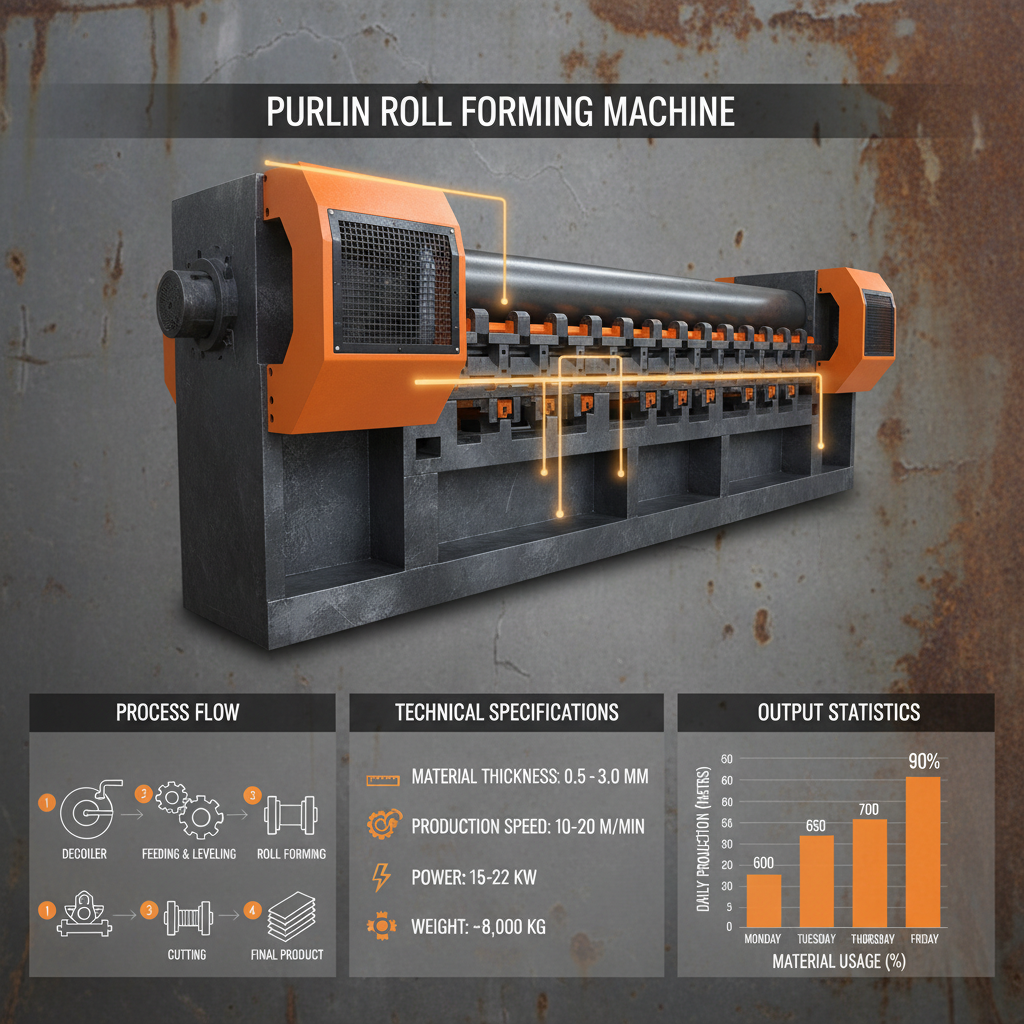
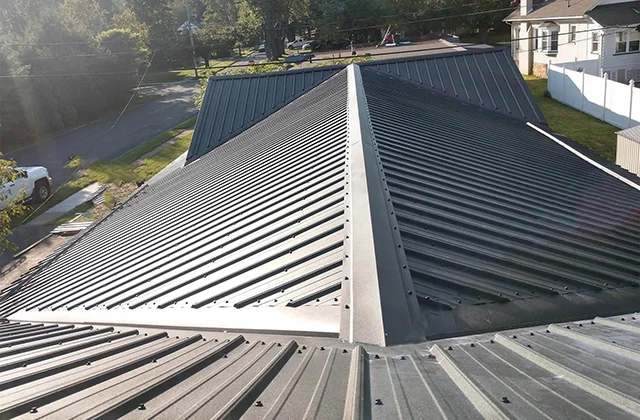
In the rapidly evolving landscape of modern construction and industrial engineering, the purlin roll forming machine has emerged as a cornerstone technology for producing high-strength structural supports. These machines transform flat metal coils into precise C, Z, or U-shaped profiles, which are essential for supporting roof panels and wall cladding in warehouses, factories, and agricultural buildings globally.
The global demand for prefabricated steel structures is surging, driven by the need for faster deployment and reduced material waste. By utilizing a purlin roll forming machine, manufacturers can achieve unparalleled consistency in dimensions and structural integrity, ensuring that every beam meets rigorous international safety standards while minimizing manual labor.
Understanding the technical nuances of these systems is not just about procurement; it is about optimizing the entire supply chain of a construction project. From increasing the load-bearing capacity of a roof to reducing the overall carbon footprint of a building, the efficiency of the forming process directly impacts the viability and sustainability of large-scale infrastructure.
Global Relevance of Purlin Roll Forming Technology
Across the globe, the construction industry is shifting toward "Light Gauge Steel" (LGS) to meet the challenges of rapid urbanization. The purlin roll forming machine is central to this shift, allowing for the mass production of standardized purlins that can be shipped and assembled with surgical precision. In regions like Southeast Asia and Africa, where infrastructure growth is accelerating, these machines provide a scalable solution for building durable industrial zones and logistics hubs.
From a regulatory perspective, ISO standards for steel fabrication have pushed manufacturers toward automation to eliminate human error. The adoption of high-precision forming equipment ensures that structural tolerances are kept within fractions of a millimeter, which is critical for the seismic stability of large-span buildings. Consequently, the integration of advanced roll forming technology has become a benchmark for competitiveness in the global metal fabrication market.
Defining the Purlin Roll Forming Machine
At its simplest, a purlin roll forming machine is a specialized industrial system that continuously bends a long strip of metal (usually galvanized steel or aluminum) into a specific cross-sectional profile. Unlike press braking, which bends the metal in discrete steps, roll forming uses a series of rollers to gradually shape the material, ensuring there is no stress-cracking and that the profile remains uniform across lengths of several meters.
This technology is fundamentally linked to the humanitarian need for rapid, safe, and affordable shelter. Whether it is creating the skeletal frame for a community clinic or the primary supports for a massive grain silo, the ability to produce lightweight yet high-strength beams allows for the construction of buildings that are both economical and resistant to extreme weather conditions.
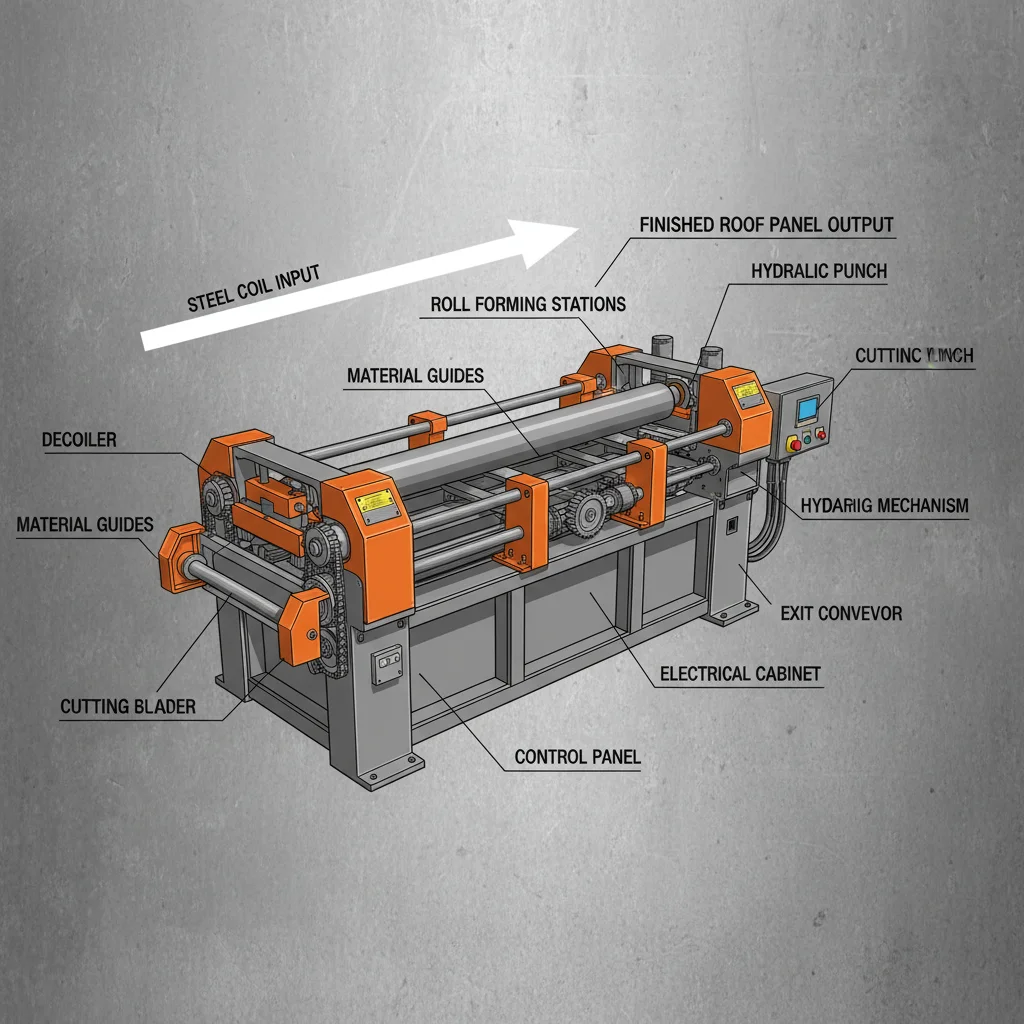
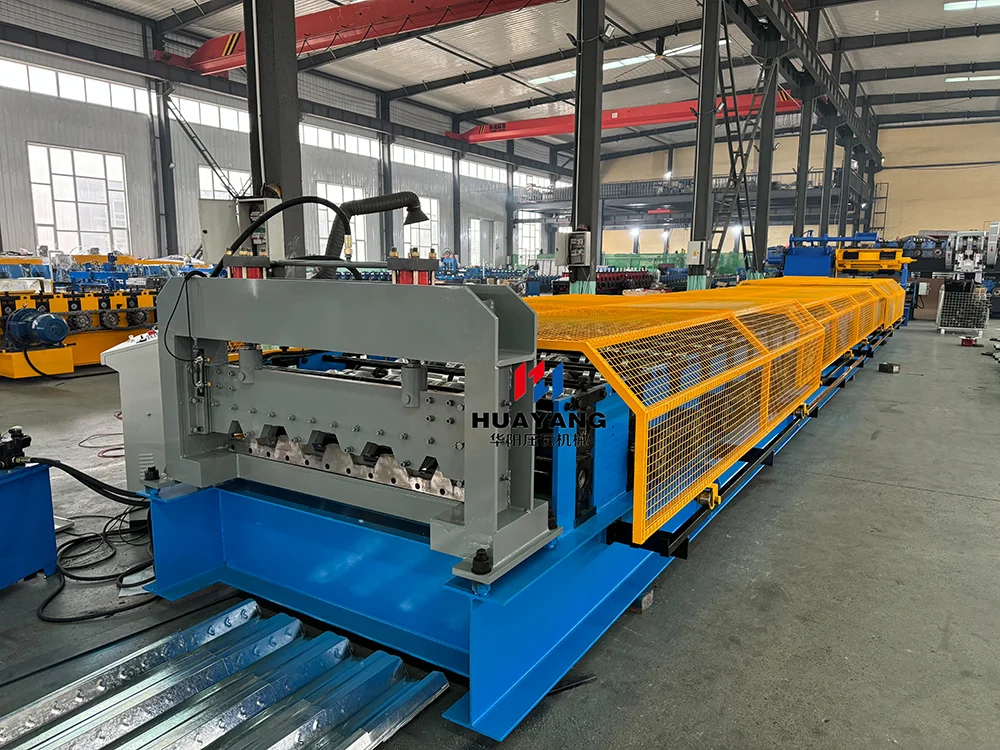
In the context of modern industry, these machines are often integrated into a fully automated line including decoilers, punching units, and flying cut-off saws. This synergy transforms a raw coil of steel into a finished, precision-cut structural component ready for immediate installation, bridging the gap between raw metallurgy and architectural execution.
Core Components and Technical Factors
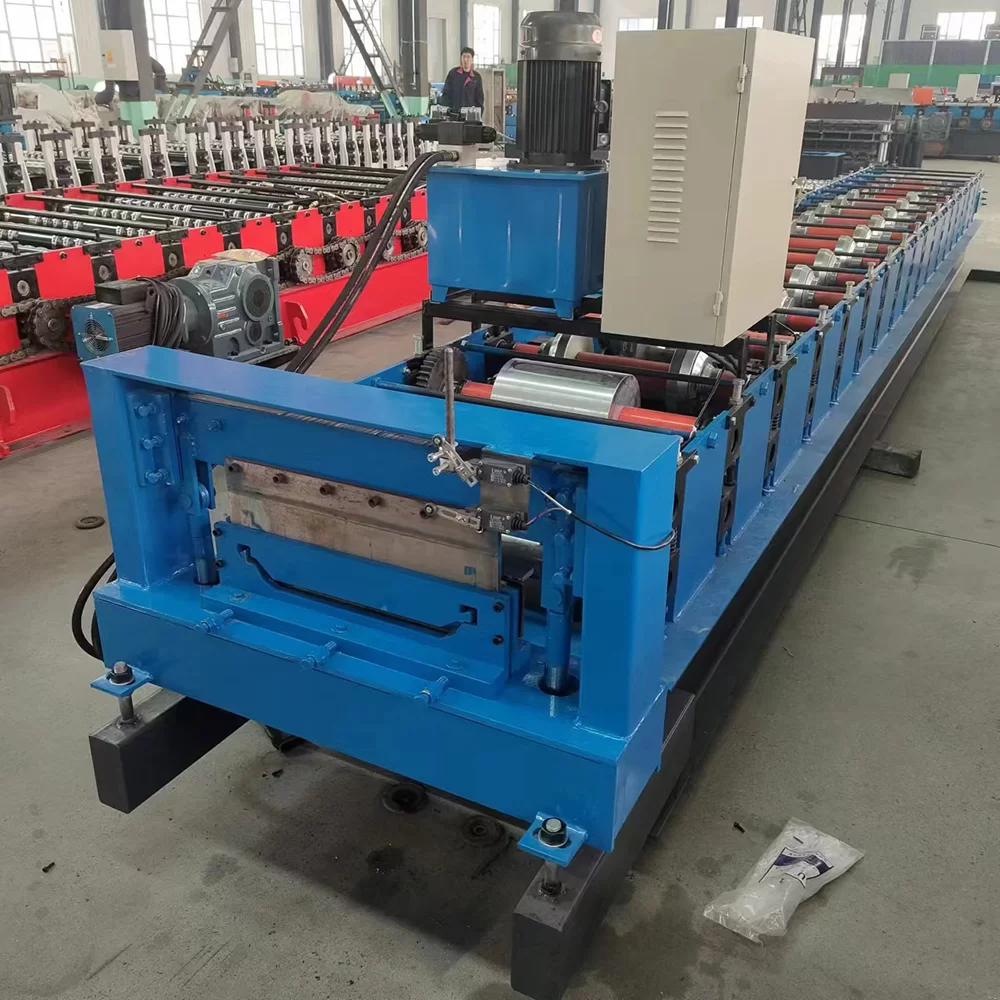
The efficiency of a purlin roll forming machine depends heavily on the quality of its forming rollers. These rollers, typically crafted from high-grade alloy steel and heat-treated for maximum hardness, must be designed with an exact mathematical progression of bends. This ensures that the metal is not stretched beyond its elastic limit, preventing "spring-back" and maintaining the structural integrity of the C or Z shape.
Another critical factor is the PLC (Programmable Logic Controller) system. A high-end purlin roll forming machine utilizes an intuitive interface that allows operators to adjust lengths and hole patterns in real-time. This digitalization eliminates the need for manual measurements and significantly reduces material scrap, directly contributing to the overall profitability of the production plant.
Furthermore, the drive system—comprising high-torque motors and precision gearboxes—determines the machine's scalability and speed. Whether the objective is high-volume commercial output or customized small-batch production, the ability to maintain a constant feed rate under varying material thicknesses (such as 1.5mm to 4mm) is what separates a professional-grade machine from a basic forming tool.
Performance Metrics and Cost Efficiency
When evaluating the return on investment (ROI) for a purlin roll forming machine, manufacturers typically look at the throughput per hour versus the material waste percentage. Automation not only increases the speed of production but also ensures that the "cut-off" waste is kept to an absolute minimum, which is vital when working with expensive high-tensile galvanized steels.
Moreover, the energy efficiency of the motor systems and the longevity of the rollers play a significant role in long-term operational costs. A machine that requires frequent recalibration or roller replacement can quickly become a liability, whereas a precision-engineered system provides stable output for years with minimal maintenance.
Comparative Efficiency of Purlin Roll Forming Methods
Global Applications and Use Cases
The application of the purlin roll forming machine spans far beyond simple warehouse roofing. In the agricultural sector, these machines are used to create the structural ribs for giant grain silos and livestock shelters, where the ability to produce curved or tapered profiles is often required. In remote industrial zones, such as mining camps in Australia or oil fields in Canada, the use of roll-formed purlins allows for "flat-pack" construction, where components are produced in a central factory and shipped for rapid on-site assembly.
Furthermore, in post-disaster relief operations, the speed of a purlin roll forming machine is invaluable. NGOs and governments can deploy mobile forming units to create immediate structural frames for temporary housing and medical clinics. This capability ensures that displaced populations have access to safe, weather-resistant shelters in a fraction of the time it would take to use traditional timber or concrete methods.
Long-term Value and Sustainability
From a sustainability lens, the purlin roll forming machine promotes a "zero-waste" philosophy. Because the process is controlled by precise digital inputs, the length of every purlin is calculated to the millimeter, virtually eliminating the off-cut waste typical of manual fabrication. Moreover, steel is 100% recyclable, meaning that the structural components produced today can be reclaimed and repurposed decades from now.
The logical value lies in the reduction of structural weight. Roll-forming allows for the creation of complex profiles that offer high strength-to-weight ratios. This means fewer raw materials are needed to support the same roof load, reducing the overall cost of the project and the energy required for transportation.
Emotionally, the use of these machines provides a sense of security and trust. When a building is supported by purlins produced by a high-precision purlin roll forming machine, architects and owners can be confident in the building's longevity and safety, knowing that the structural members are free from the inconsistencies of hand-bending.
Future Trends and Digital Transformation
The future of the purlin roll forming machine is inextricably linked to Industry 4.0. We are seeing the integration of IoT (Internet of Things) sensors that monitor roller wear and tear in real-time, alerting operators to perform maintenance before a part fails. This predictive maintenance minimizes downtime and ensures that production schedules are never interrupted.
Additionally, the move toward "Smart Factories" means that CAD (Computer-Aided Design) software is now being linked directly to the forming machine. A designer can create a building model in a digital environment, and the purlin roll forming machine will automatically receive the instructions to produce the exact pieces needed for that specific project, without any human intervention in the data entry process.
Lastly, the exploration of new materials, such as high-strength aluminum alloys and eco-friendly coated steels, is pushing machine designers to develop more flexible roller configurations. This versatility will allow the industry to adapt to stricter green building certifications and evolving architectural demands.
Technical Analysis of Purlin Forming Machine Specifications
|
Machine Configuration
|
Material Compatibility
|
Production Speed
|
Precision Rating (1-10)
|
| C-Purlin Standard Line |
Galvanized Steel 1.5-3.0mm |
15-20 meters/min |
8.5 |
| Z-Purlin High-Speed Line |
High-Tensile Steel 2.0-4.0mm |
12-18 meters/min |
9.0 |
| CZU Combined Machine |
Multi-grade Alloys 1.2-3.5mm |
10-15 meters/min |
9.5 |
| Light-Gauge Framework Line |
Aluminium/Steel 0.8-2.0mm |
25-30 meters/min |
8.0 |
| Heavy-Duty Industrial Line |
Carbon Steel 3.0-6.0mm |
5-10 meters/min |
8.8 |
| Eco-Series Energy Saving Line |
Recycled Steel 1.5-3.0mm |
18-22 meters/min |
8.2 |
FAQS
C-purlins are shaped like the letter 'C' and are typically used for smaller spans or wall supports. Z-purlins are shaped like a 'Z', which allows them to overlap (nest) over the supports, creating a continuous beam that provides significantly higher load-bearing capacity for larger roof spans. A versatile purlin roll forming machine can often produce both or be configured for either depending on the structural requirements of the project.
Precision is maintained through three key factors: the hardness and alignment of the forming rollers, the stability of the machine's chassis, and the accuracy of the PLC control system. Regularly calibrating the rollers and using high-quality coils with consistent thickness are essential. We recommend performing a dimensional check on the first piece of every new batch to ensure the machine is operating within specified tolerances.
Yes, but it depends on the roller design. Most machines are designed for a specific range (e.g., 1.5mm to 3.0mm). Attempting to roll material significantly thicker than the machine's limit can damage the rollers or the motor. Conversely, material that is too thin may buckle. For those needing extreme versatility, we offer adjustable roller systems that can accommodate a wider variance in gauge.
While the machinery is heavy and technical, modern units are designed for modular installation. The process typically involves leveling the foundation, positioning the decoiler, aligning the forming mill, and connecting the electrical PLC system. We provide comprehensive installation guides and often send expert engineers to ensure the machine is synchronized perfectly with your factory floor layout.
The lifespan of rollers depends on the material being processed. Hardened alloy steel rollers used on galvanized steel can last for several years with proper lubrication. However, if you are processing abrasive materials or running the machine at 24/7 maximum capacity, you may notice wear after 1-2 years. Routine maintenance and lubrication are key to extending the life of the forming stations.
Most professional-grade purlin roll forming machines come with an integrated hydraulic punching system for bolt holes and a "flying cut-off" saw. The flying saw is particularly important because it cuts the purlin while it is still moving, meaning the machine doesn't have to stop and start for every piece, which drastically increases the hourly output and reduces mechanical wear.
Conclusion
The purlin roll forming machine represents the perfect intersection of metallurgical precision and architectural efficiency. By automating the production of critical structural components, this technology reduces waste, enhances building safety, and significantly lowers construction timelines. From the meticulous design of the forming rollers to the intelligence of the PLC systems, every aspect of the machine is engineered to provide long-term value and unwavering reliability in a competitive global market.
Looking ahead, as the industry embraces greener materials and smarter manufacturing, the role of high-precision roll forming will only grow. We encourage manufacturers and developers to invest in equipment that not only meets today's standards but is adaptable to the digital transformations of tomorrow. For those looking to optimize their production line and elevate their structural quality, visiting our experts is the first step toward industrial excellence. Visit our website: www.hyrollformingmachine.com