


The Ultimate Guide to IBR Roof Sheet Making Machine for Modern Construction
In the rapidly evolving world of industrial construction, the demand for durable and efficient roofing solutions has never been higher. The ibr roof sheet making machine has emerged as a cornerstone technology for producing high-strength IBR (Inverted Box Rib) profiles. These profiles are prized for their exceptional water drainage capabilities and structural rigidity, making them ideal for warehouses, factories, and residential projects. By utilizing advanced roll forming technology, manufacturers can ensure precision and consistency in every sheet produced. In this comprehensive guide, we will explore the technical advantages, operational efficiency, and key specifications of these machines to help you make an informed investment for your production line.
How an IBR Roof Sheet Making Machine Works
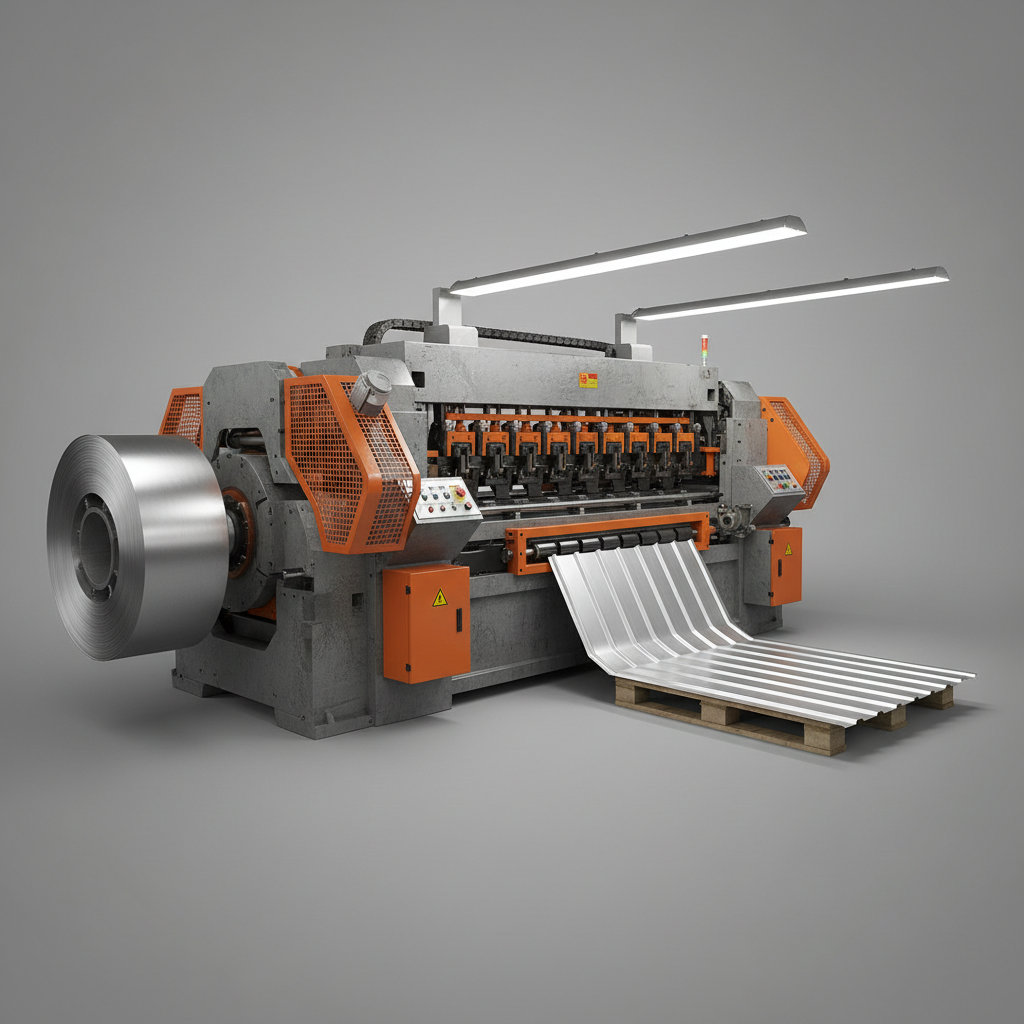
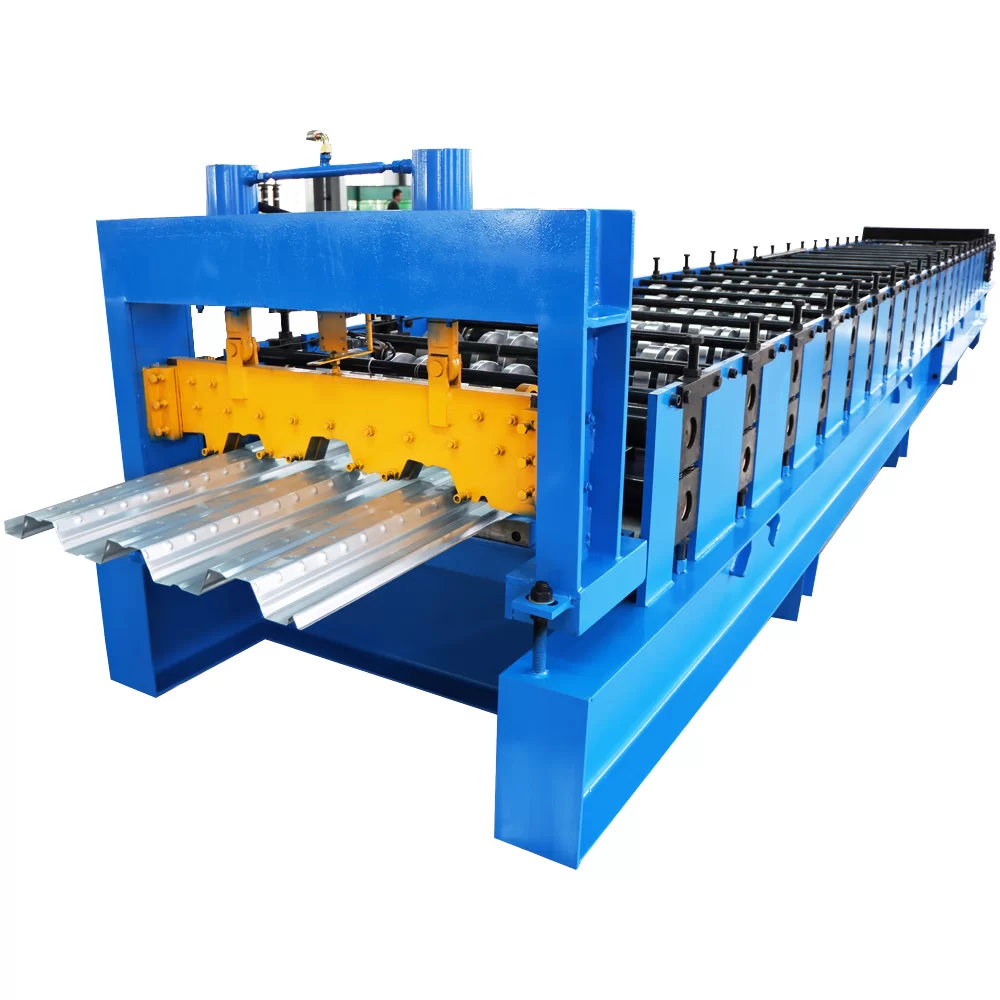
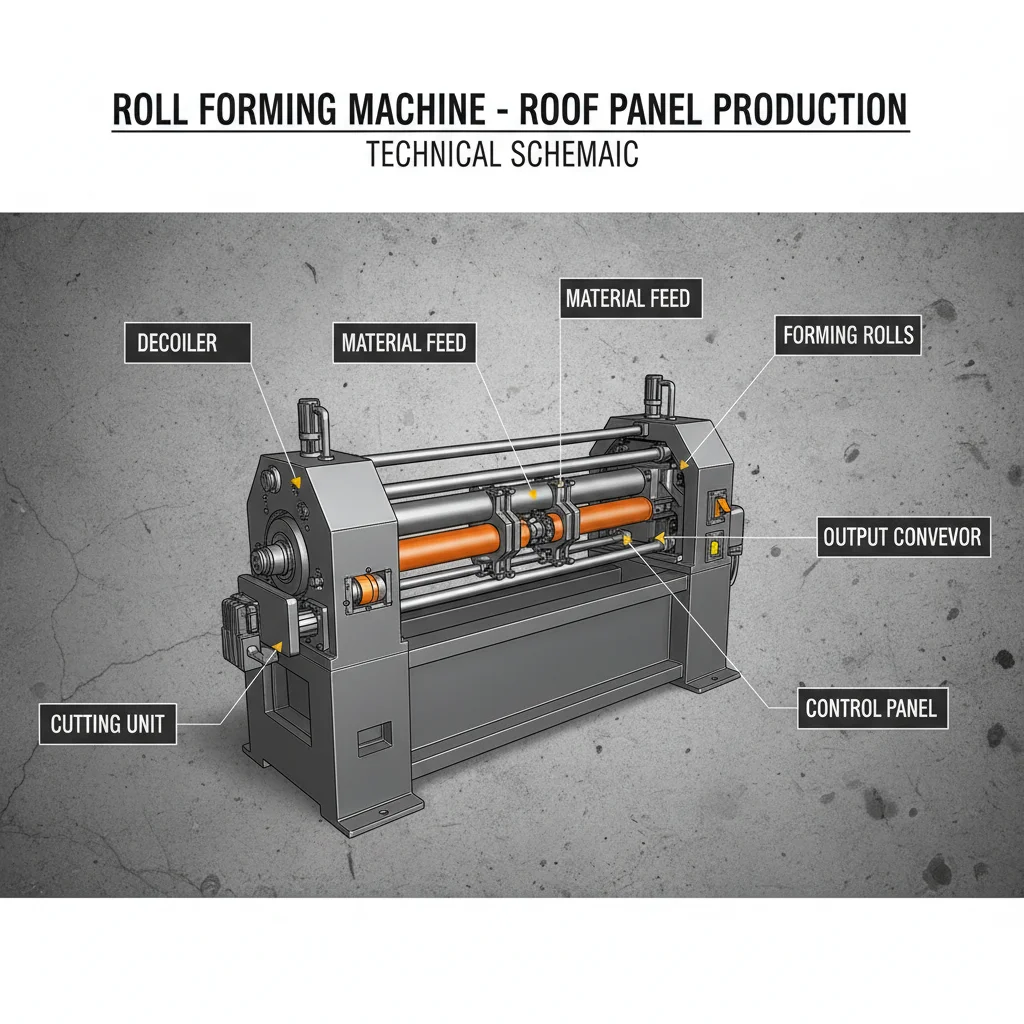
The process of producing IBR profiles is a sophisticated sequence of mechanical bending and shaping. An ibr roof sheet making machine operates by passing a flat strip of galvanized steel or aluminum through a series of precisely engineered rollers. Each set of rollers gradually bends the metal into the characteristic "box rib" shape. This incremental forming process prevents the material from stretching or cracking, ensuring the structural integrity of the final roof sheet. Modern machines are equipped with PLC control systems that allow operators to set precise lengths, ensuring minimal material waste and high production speed.
Technical Insight: The precision of the rollers is critical. High-quality machines use chrome-plated rollers to reduce friction and wear, which significantly extends the lifespan of the equipment and maintains a smooth finish on the roof sheets.
Key Advantages of Using an IBR Roof Sheet Making Machine
Investing in a professional ibr roof sheet making machine provides several competitive edges. First, the production speed is unmatched compared to manual fabrication, allowing businesses to fulfill large-scale orders in a fraction of the time. Second, the consistency of the IBR profile ensures that sheets fit together perfectly during installation, reducing leaks and labor costs on site. Furthermore, these machines are highly versatile and can handle various material thicknesses, allowing you to cater to both light residential and heavy-duty industrial markets.
Operational Benefits:
• High Precision: Eliminates human error in profile shaping.
• Material Efficiency: Optimized cutting systems reduce scrap metal.
• Scalability: Easily increase output to meet growing market demand.
• Durability: Produced sheets offer superior wind and rain resistance.
Comparing IBR Machines: Standard vs. High-Precision Models
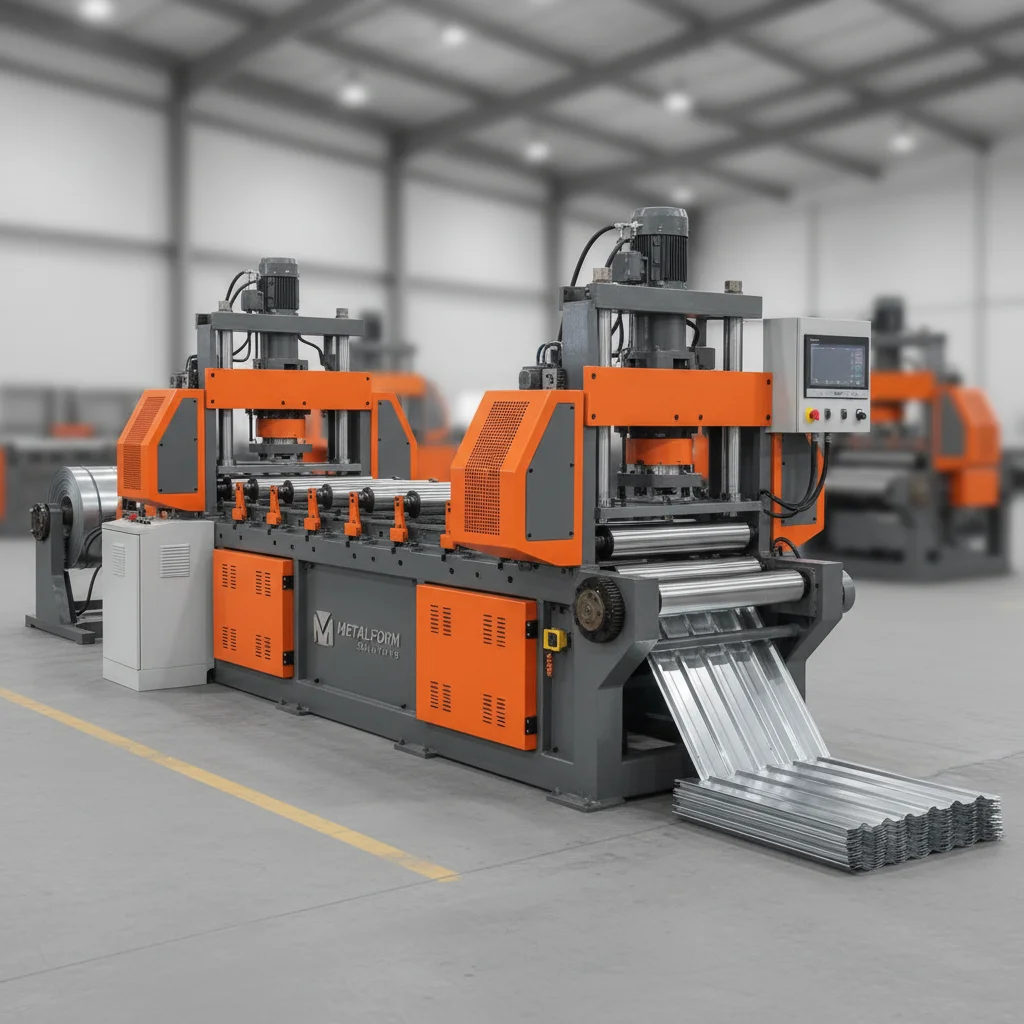
Not all roll forming machines are created equal. When selecting an ibr roof sheet making machine, it is important to distinguish between entry-level standard models and high-precision industrial models. Standard models are suitable for small workshops with lower volume needs. However, high-precision models feature advanced hydraulic cutting systems, automated stacking, and superior alloy steel rollers, which are essential for maintaining tight tolerances over long production runs. The following table highlights the primary differences to help you choose the right fit for your business.
Optimizing Production with the IBR Roof Sheet Making Machine
To maximize the return on investment (ROI) of your ibr roof sheet making machine, operational optimization is key. This includes implementing a strict maintenance schedule for the rollers and ensuring that the input coils are of consistent quality. Using high-grade galvanized steel prevents surface scratching during the forming process. Additionally, integrating an automatic cutting system allows for "lights-out" manufacturing, where the machine can produce a batch of sheets with minimal supervision, thereby reducing labor costs and increasing total daily throughput.
Technical Specifications for Industrial IBR Machines
When browsing for a new ibr roof sheet making machine, understanding the technical specifications is paramount. These specs determine the capacity, the type of material the machine can handle, and the overall footprint in your factory. Below is a standard specification table for a professional-grade IBR roll forming line, highlighting the parameters that impact quality and speed.
Market Trends and Future of Roof Sheet Production
The industry is shifting towards smarter, more sustainable manufacturing. We are seeing a rise in the integration of IoT (Internet of Things) within the ibr roof sheet making machine, allowing owners to monitor production levels and machine health remotely via smartphone apps. Additionally, there is a growing demand for eco-friendly coatings and recycled materials. Machines that can handle diverse alloys without compromising the profile's shape are becoming the gold standard. As construction projects grow in scale and complexity, the ability to produce custom-length, high-strength IBR sheets on-demand will be the primary driver of growth for roofing manufacturers.
Conclusion: Elevating Your Business with Precision Engineering
The ibr roof sheet making machine is more than just a piece of equipment; it is a strategic asset that empowers manufacturers to deliver superior roofing products. From its ability to ensure structural rigidity to its high-speed production capabilities, the IBR machine meets the rigorous demands of the modern construction industry. By choosing a machine that balances precision, durability, and advanced control systems, you can significantly reduce waste, lower labor costs, and increase your market share. Invest in quality engineering today to secure a stronger foundation for your industrial future.
Frequently Asked Questions (FAQs)
What materials can be used in an IBR roof sheet making machine?
Most professional IBR machines are designed to be versatile. The primary materials used are galvanized steel (GI), which offers excellent corrosion resistance, and Galvalume (Aluzinc), which provides superior heat reflection and longevity. Additionally, aluminum coils can be used for projects requiring lightweight and highly rust-resistant roofing. The machine's rollers are typically adjusted based on the material thickness, usually ranging from 0.3mm to 0.8mm, to ensure the profile is formed perfectly without compromising the coating.
How do I maintain my IBR roll forming machine for long-term use?
Regular maintenance is crucial for maintaining precision. First, the rollers should be cleaned and lubricated periodically to prevent the buildup of metal dust and friction. Second, check the alignment of the rollers to ensure the sheets are not twisting. Third, the hydraulic system should be inspected for leaks and the oil replaced according to the manufacturer's schedule. Finally, ensuring that the input coils are properly wound and free of debris will prevent jams and reduce wear on the drive system, extending the machine's overall operational life.
Can the length of the IBR sheets be customized?
Yes, absolutely. One of the biggest advantages of a modern ibr roof sheet making machine is its ability to produce custom lengths. Through the PLC control panel, the operator can input the exact length required for a specific project. The machine's encoder tracks the material flow with millimeter precision, and the hydraulic cutter triggers at the exact moment to deliver a perfectly sized sheet. This eliminates the need for manual cutting on-site, reducing material waste and improving installation speed.
What is the typical lead time for installing an IBR production line?
The lead time typically depends on the customization requirements. A standard model can usually be manufactured and shipped within 3 to 6 weeks. However, if you require specific customizations, such as a unique profile width, specialized roller alloys, or integrated automated stacking systems, the lead time may extend to 8 to 12 weeks. Once the machine arrives, installation and commissioning usually take 3 to 7 days, which includes leveling the machine, connecting power and hydraulics, and training your operators to ensure maximum efficiency from day one.
-
 Apr 17,26
 -
 Apr 16,26


