



The Ultimate Guide to Choosing a Roll Forming Machine Roof System
In the modern construction landscape, efficiency and precision are the cornerstones of quality roofing. The use of a roll forming machine roof has revolutionized how metal panels are produced, offering an unparalleled level of consistency and speed. Whether you are a large-scale manufacturer or a specialized contractor, understanding the mechanics and advantages of roll forming is essential for optimizing production costs and ensuring structural integrity. This guide explores everything from technical specifications to industry applications, helping you make an informed investment in your production line.
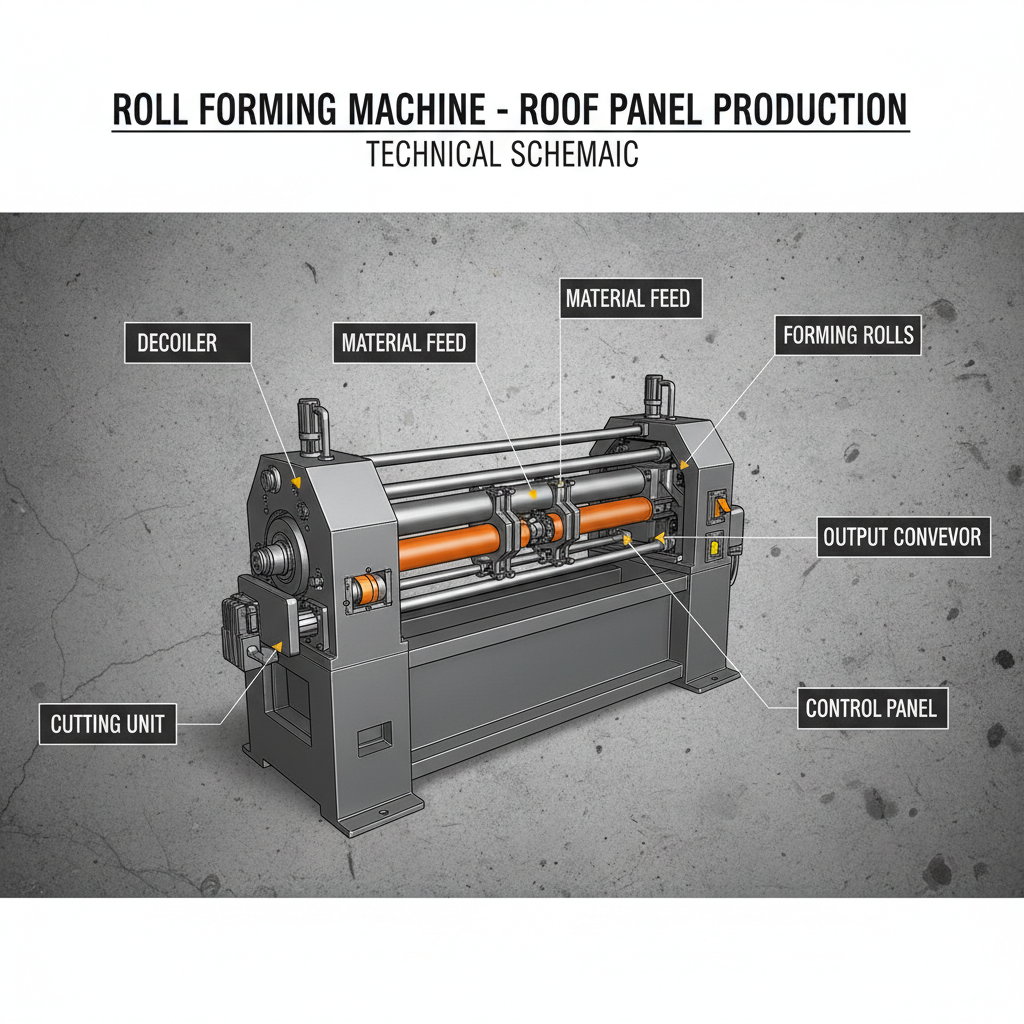
How a Roll Forming Machine Roof Works
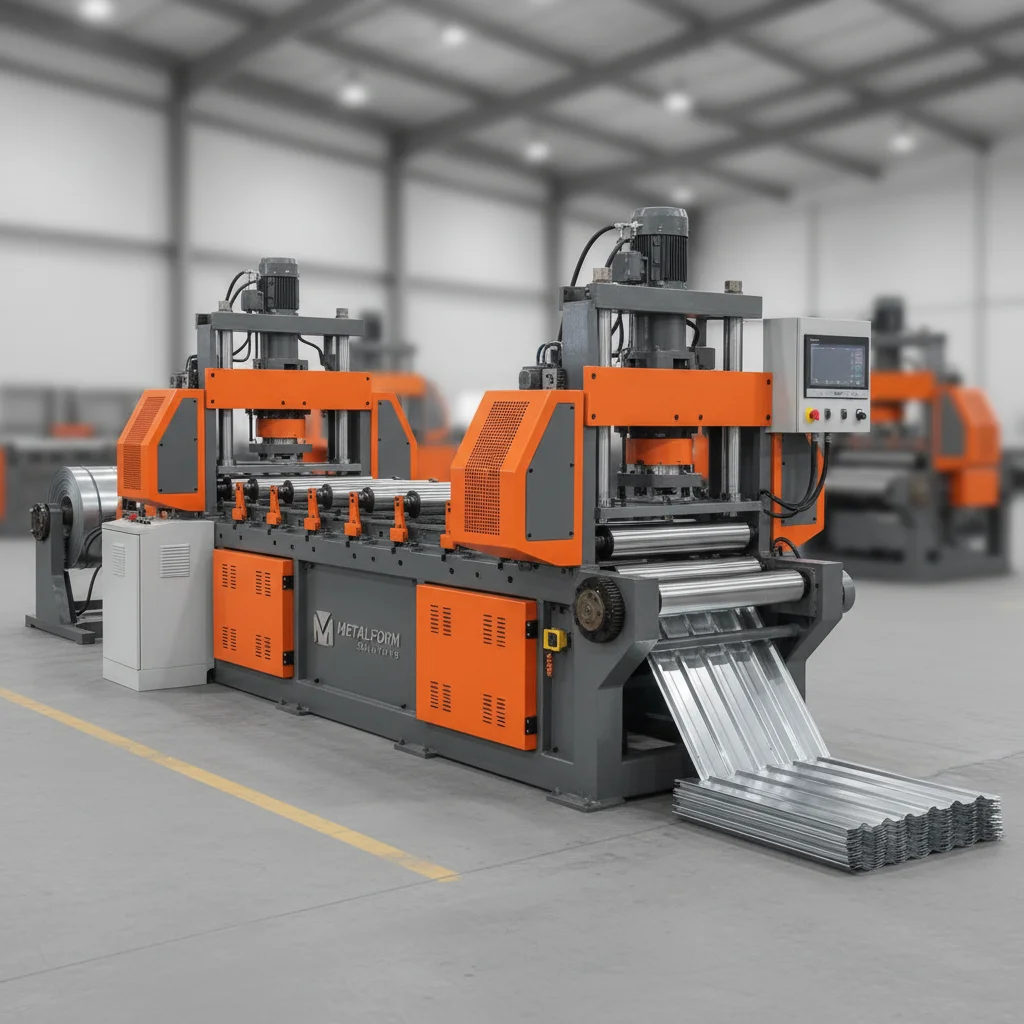
At its core, a roll forming machine roof operates on a continuous bending process. Unlike press braking, which bends metal in a single stroke, roll forming passes a long strip of metal through a series of rollers. Each set of rollers gradually bends the material into the desired profile. This progressive approach eliminates the stress typically associated with sudden bends, resulting in a panel that is structurally superior and aesthetically flawless. The process begins with a decoiler and ends with a high-precision cutting system that ensures every roof sheet is the exact length required for the project.
Industry Insight: Modern roll forming technology now integrates PLC control systems, allowing operators to adjust lengths and quantities digitally, which virtually eliminates human error during the cutting phase.
Key Advantages of Using a Roll Forming Machine Roof
Investing in a high-quality roll forming machine roof provides several competitive edges. Firstly, the production speed is significantly higher than traditional methods, allowing for rapid fulfillment of large orders. Secondly, there is a drastic reduction in material waste; since the profile is formed continuously, the scrap rate is kept to a minimum. Furthermore, these machines can handle various materials, including galvanized steel, aluminum, and galvalume, ensuring versatility for different architectural requirements. The consistency of the profiles ensures that installation on-site is seamless and leak-proof.
Primary Benefits:
• Extreme Precision: Constant profile dimensions across thousands of meters.
• Cost Efficiency: Reduced labor costs and minimal material waste.
• Customization: Ability to produce custom lengths on demand.
• Durability: High-strength rollers ensure long-term machine reliability.
Roll Forming vs. Press Braking for Roofing
When deciding between a roll forming machine roof and a press brake, the choice usually comes down to volume and precision. Press braking is ideal for short runs and complex, one-off shapes. However, for roofing panels that require long, consistent profiles, roll forming is the clear winner. It offers a continuous flow of production and avoids the "spring-back" effect often seen in press braking, ensuring that the roof panels fit perfectly every time they are laid.
Customizing Your Roll Forming Machine Roof Setup
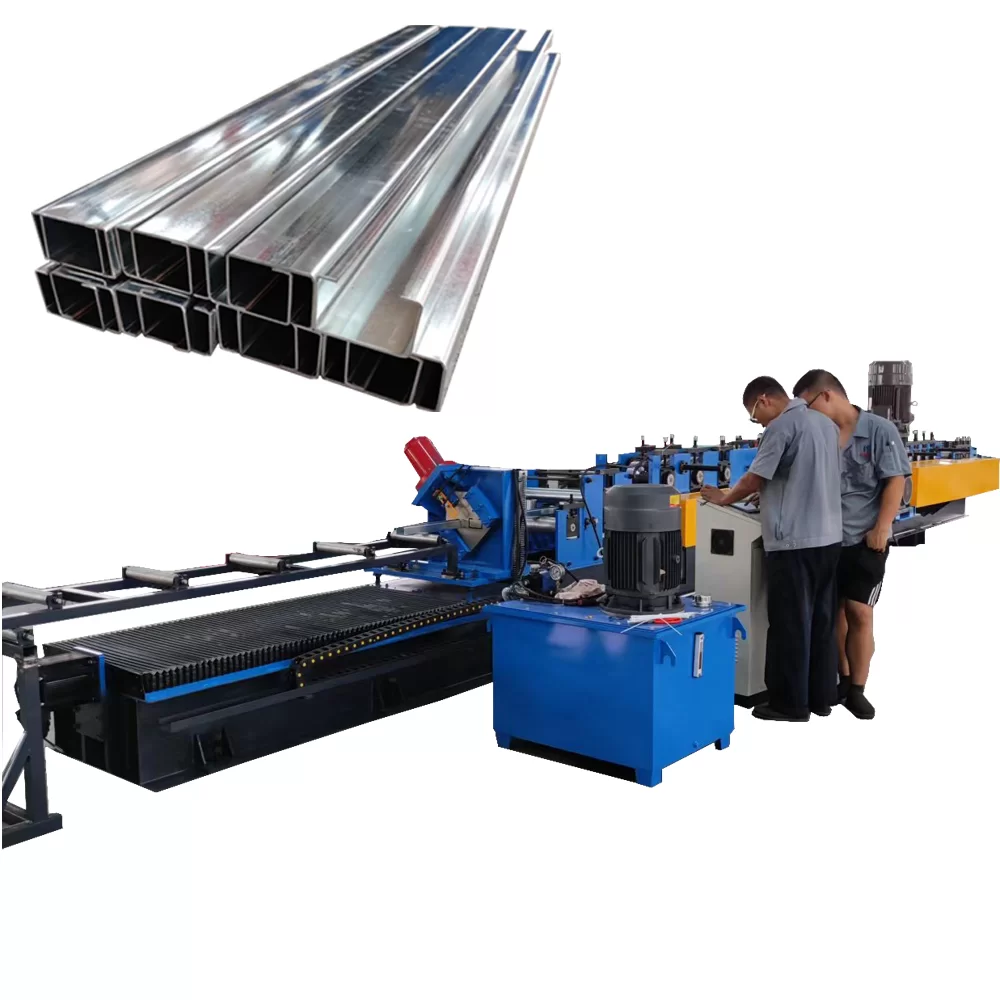
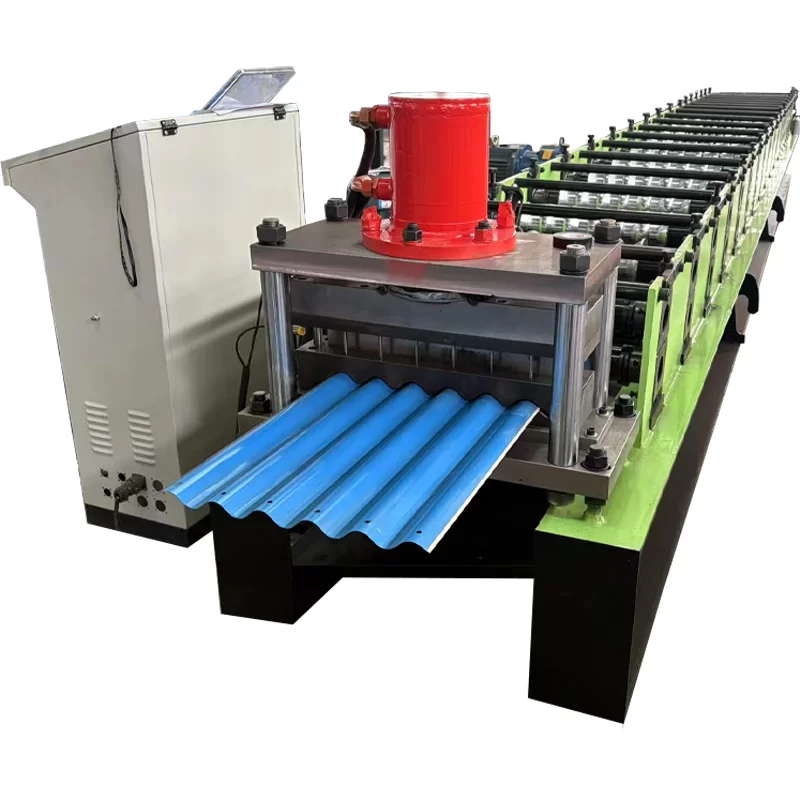
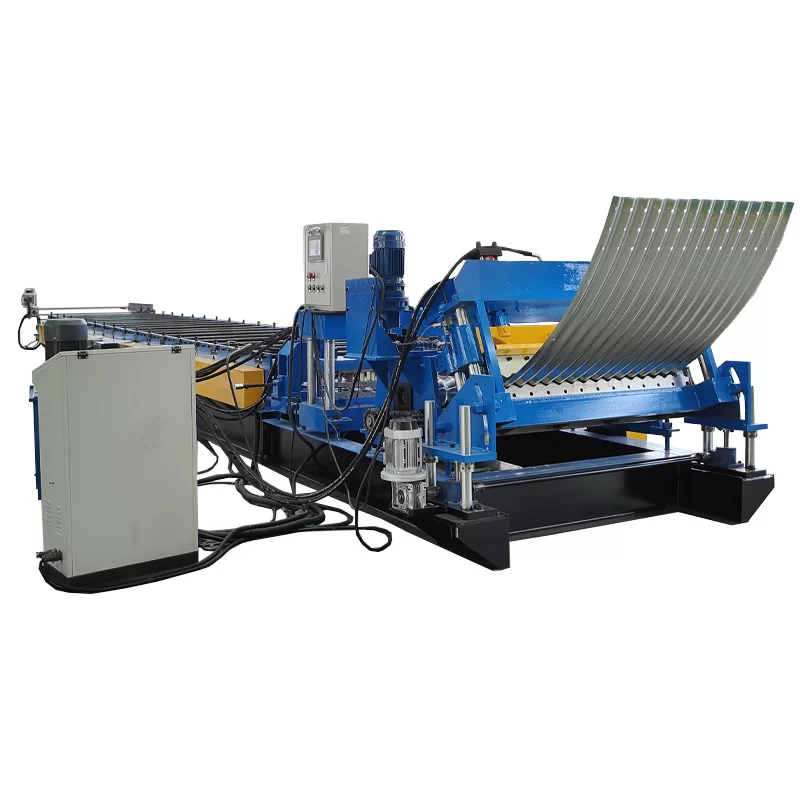
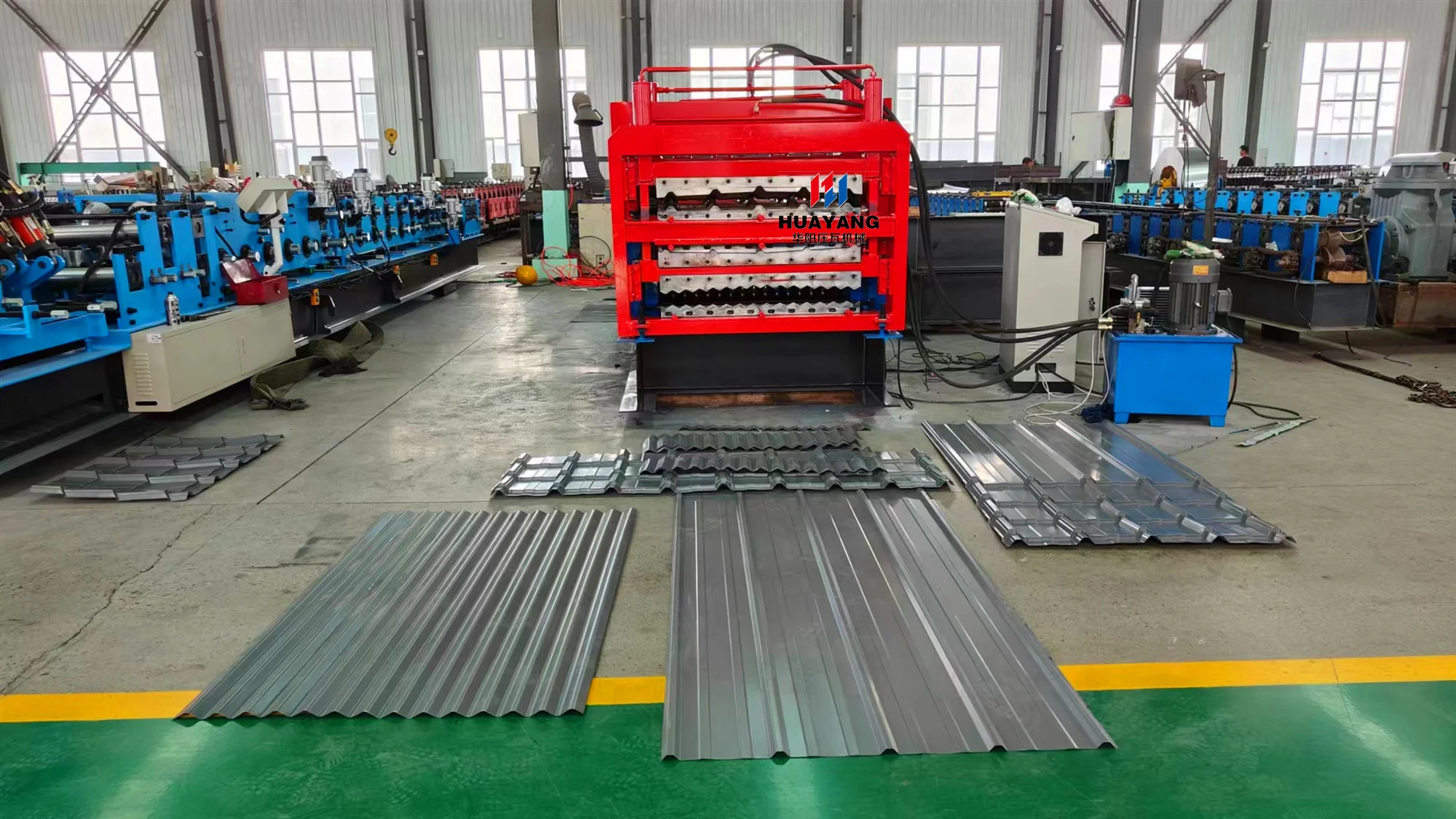
Not every roofing project is the same, which is why customization is key. A professional roll forming machine roof can be tailored to produce various profiles, such as corrugated, standing seam, or tile-effect panels. Customization options typically include the choice of roller material (such as chrome-plated steel for wear resistance), the addition of automatic punching units for pre-drilled holes, and advanced guiding systems to prevent panel skewing. By tailoring the machine to specific market demands, manufacturers can expand their product portfolio and capture more market share.
Technical Specifications of High-Performance Roof Machines
When evaluating a roll forming machine roof, technical specifications provide the roadmap for its capabilities. From the thickness of the raw material it can process to the overall forming speed, these details determine the machine's ROI. High-end machines typically feature heavy-duty frames to reduce vibration and high-torque motors to handle thick gauge steel without stalling. Below is a typical specification table for an industrial-grade roofing machine.
Maintenance Tips for Long-Term Machine Reliability
To maximize the lifespan of your roll forming machine roof, a proactive maintenance schedule is non-negotiable. Regular lubrication of the rollers and drive chains prevents premature wear and tear. Operators should also conduct weekly inspections of the cutting blades to ensure they remain sharp, as dull blades can leave jagged edges on the roof panels. Finally, keeping the machine environment clean of metal shavings and dust prevents contamination of the PLC electronics, ensuring the machine continues to run with the same precision it had on day one.
Conclusion: Future-Proofing Your Production
The adoption of a professional roll forming machine roof is more than just a purchase; it is a strategic move toward industrial excellence. By combining speed, precision, and material efficiency, these machines allow businesses to scale their operations while maintaining a high standard of quality. In an era where construction deadlines are tightening and material costs are rising, the ability to produce perfect roofing panels in-house is a significant competitive advantage. Invest in the right technology today to secure a more profitable tomorrow.
Frequently Asked Questions (FAQs)
What materials can a roll forming machine roof handle?
Most modern roll forming machines are designed to be versatile. They can typically process a variety of metallic strips, including galvanized steel, stainless steel, aluminum, and prepainted steel (PPGI). The specific material depends on the roller hardness and the machine's torque capacity. For those seeking specialized coatings or thicker gauges, custom roller configurations can be implemented to ensure the material is formed without scratching or warping the surface.
How long does it take to produce one roofing panel?
The production time depends on the length of the panel and the speed of the machine. With an average forming speed of 20 meters per minute, a standard 6-meter roof panel can be formed in less than 20 seconds. The primary time consumption occurs during the loading of the coil and the final cutting phase. Thanks to automated PLC systems, the transition between panels is nearly instantaneous, making it an incredibly efficient process for high-volume production.
Can I change the roof profile on a single machine?
Standard roll forming machines are typically designed for one specific profile because the rollers are custom-machined for that shape. However, some advanced modular systems allow for the replacement of roller stations. For most businesses, if multiple profiles are required, it is more efficient to have dedicated machines for each profile to avoid the downtime and precision loss associated with changing rollers. You can consult with the experts at hyrollformingmachine.com for customized multi-profile solutions.
What is the average lifespan of these machines?
With proper maintenance and high-quality components, a roll forming machine can last for 10 to 20 years. The critical components are the rollers and the motor. By using hardened steel for rollers and ensuring regular lubrication, the wear and tear are minimized. Most companies find that the machine pays for itself within the first 2-3 years of operation through labor savings and material efficiency, making it a long-term asset for any roofing business.
-
 Apr 17,26
 -
 Mar 30,26


