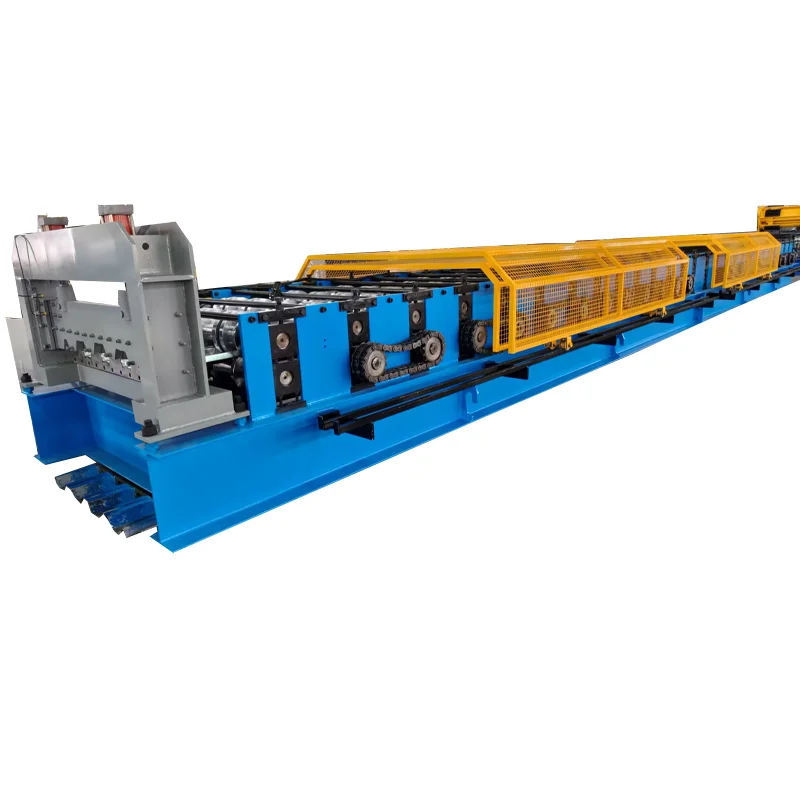
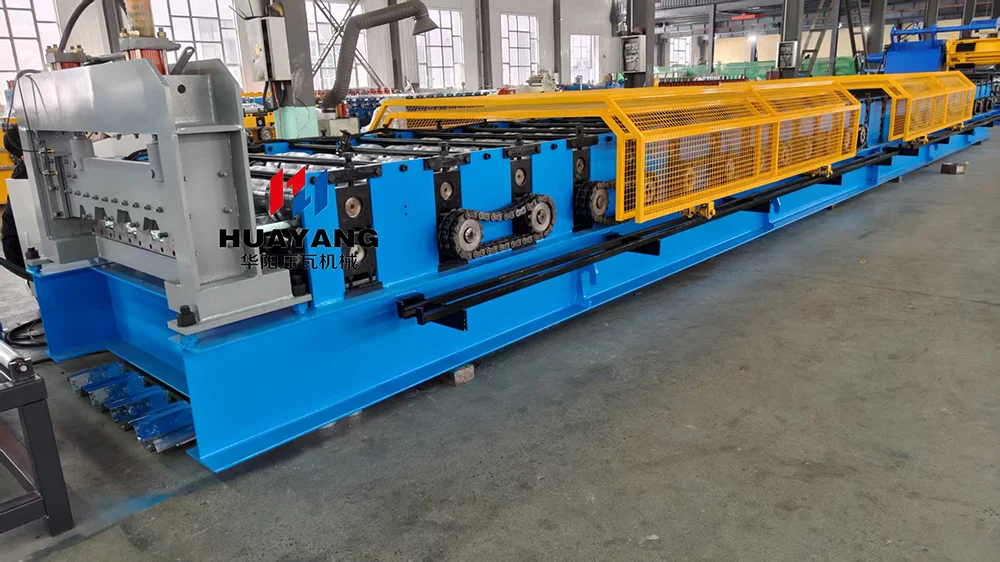
In the rapidly evolving landscape of modern construction, the demand for precision-engineered structural components has led to the rise of the drywall ceiling profile machine. This specialized equipment is fundamental in producing the lightweight yet robust metal frameworks that support contemporary ceilings and partition walls, ensuring that interior spaces are both safe and aesthetically pleasing.
Across the global building industry, the transition from traditional timber framing to galvanized steel profiles has been driven by the need for fire resistance, termite proofing, and dimensional stability. A high-performance drywall ceiling profile machine allows manufacturers to produce standardized studs, tracks, and ceiling channels with extreme accuracy, reducing material waste and significantly accelerating the pace of on-site installation.
Understanding the nuances of this technology is not merely about mechanical output; it is about optimizing the entire construction value chain. By integrating advanced roll forming capabilities, companies can meet the stringent ISO standards for building materials, ensuring that every profile produced by the drywall ceiling profile machine contributes to the long-term structural integrity of residential and commercial infrastructures worldwide.
Global Industry Context of Drywall Profiling
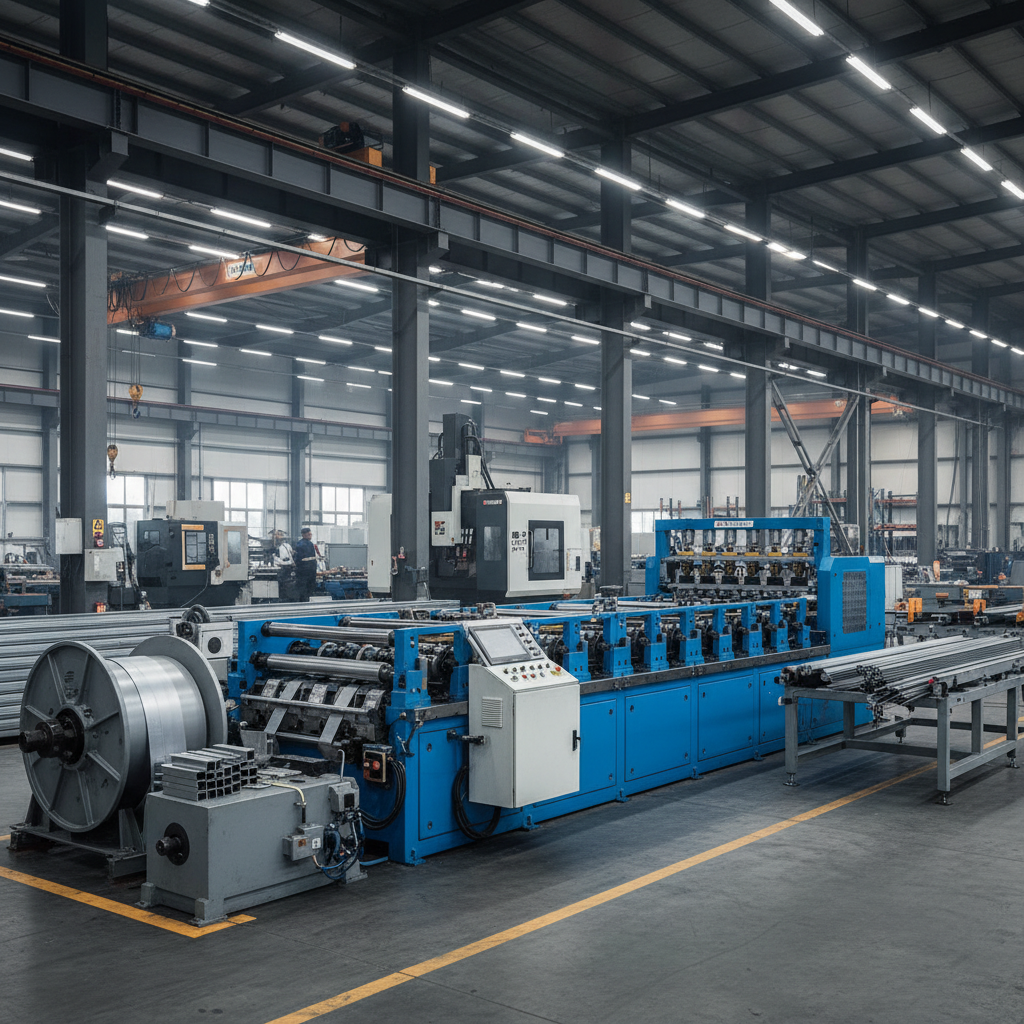
The global construction sector is currently facing a critical challenge: the need for rapid urbanization coupled with a shortage of skilled labor. According to industry trends aligned with ISO building standards, the shift toward modular and prefabricated components has become a necessity. This is where the drywall ceiling profile machine plays a pivotal role, transforming raw steel coils into precise architectural skeletons that can be assembled in a fraction of the time required for traditional methods.
In emerging economies, particularly across Southeast Asia and Africa, the adoption of cold-rolled steel profiles is skyrocketing. These regions are leveraging the efficiency of the drywall ceiling profile machine to build affordable housing and commercial hubs that are resilient to environmental stressors. The ability to mass-produce consistent, high-quality profiles ensures that safety regulations are met consistently across thousands of project sites.
Defining the Drywall Ceiling Profile Machine
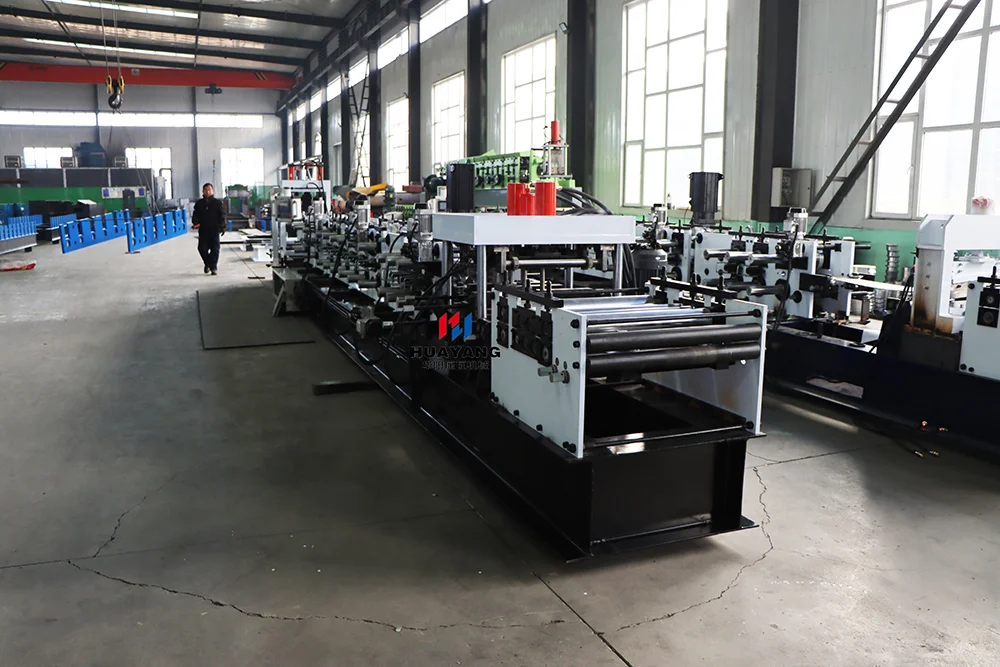
At its core, a drywall ceiling profile machine is a sophisticated piece of cold-roll forming equipment designed to bend flat strips of metal—typically galvanized steel—into specific cross-sectional shapes. These shapes, such as C-studs, U-tracks, and omega-profiles, serve as the primary support system for gypsum boards in ceilings and walls, providing the necessary rigidity to prevent sagging and structural failure.
Unlike traditional pressing or stamping, this machine uses a series of successive rollers to gradually shape the metal. This process ensures that the material's structural integrity is maintained, as it avoids the sudden stress points associated with heavy punching. For the modern manufacturer, investing in a high-precision drywall ceiling profile machine means the ability to offer customized profile dimensions that meet specific architectural load-bearing requirements.
Beyond the technical definition, this machinery represents the intersection of metallurgical science and architectural efficiency. It addresses the humanitarian need for safe, quick-to-deploy shelters and permanent housing by lowering the cost of structural frameworks. By streamlining the production of ceiling profiles, the drywall ceiling profile machine enables developers to maximize interior space while minimizing the weight of the building.
Core Components for Optimal Production
The operational success of a drywall ceiling profile machine depends heavily on the precision of its forming rollers. These rollers, usually crafted from high-grade alloy steel and heat-treated for extreme hardness, determine the final tolerance of the profile. Any deviation in the roller alignment can lead to "twisting" or "bowing" of the profiles, which complicates the installation process on the construction site.
Another critical element is the PLC control system integrated into the drywall ceiling profile machine. Modern systems allow for automated length cutting and precise quantity counting, eliminating the human error associated with manual measurement. This digital synchronization ensures that the cutting blade strikes with millimeter precision, reducing scrap metal and increasing the overall yield of the raw material coil.
Finally, the decoiler and feeding mechanism ensure a constant tension of the steel sheet. If the material is fed unevenly into the drywall ceiling profile machine, it can cause fluctuations in the profile's thickness or width. A robust hydraulic leveling system combined with a high-torque motor allows the machine to handle varying grades of galvanized steel without compromising the speed of production.
Performance Metrics and Efficiency Analysis
To evaluate the effectiveness of a drywall ceiling profile machine, manufacturers typically look at three key KPIs: production speed (meters per minute), dimensional tolerance, and energy consumption per ton of output. A machine that offers high speed but poor tolerance results in high rejection rates, while a slow, precise machine may fail to meet the demands of large-scale urban projects.
The synergy between mechanical durability and software intelligence defines the modern era of roll forming. By utilizing a drywall ceiling profile machine with an optimized gear drive system, operators can achieve a balance between high throughput and low maintenance costs, ensuring that the equipment remains operational for decades with minimal downtime.
Comparative Efficiency of Drywall Ceiling Profile Machine Configurations
Global Applications and Strategic Use Cases
The versatility of the drywall ceiling profile machine makes it indispensable across various sectors. In high-density urban centers like Tokyo or New York, these machines produce the lightweight framing necessary for skyscrapers where every kilogram of dead load must be minimized to ensure seismic safety and structural efficiency.
Furthermore, in post-disaster relief operations, the ability to quickly set up a localized drywall ceiling profile machine allows NGOs and governments to manufacture housing frames on-site. This reduces the logistical nightmare of transporting bulky pre-made frames over damaged roads, enabling the rapid deployment of dignified, temporary shelters for displaced populations.
Long-Term Value and Sustainability Benefits
From a financial perspective, the long-term value of a drywall ceiling profile machine lies in its ability to reduce material overhead. Cold-roll forming is an additive-free process that generates almost zero waste, as the machine precisely calculates the cut lengths from the coil. This lean manufacturing approach directly boosts the profit margins of steel processing plants.
Sustainability is another key driver. Steel is one of the most recycled materials on earth, and the profiles produced by a drywall ceiling profile machine are 100% recyclable at the end of the building's lifecycle. Compared to timber, which contributes to deforestation, steel framing provides a more environmentally responsible alternative for the global construction industry.
Beyond the economics, there is an emotional angle of safety and trust. A ceiling that is perfectly supported by high-precision profiles minimizes the risk of collapse and fire spread. By ensuring that every piece of metal leaving the drywall ceiling profile machine meets exact specifications, manufacturers provide peace of mind to architects and homeowners alike.
Future Trends in Roll Forming Automation
The future of the drywall ceiling profile machine is inextricably linked to Industry 4.0. We are seeing a shift toward "smart" factories where machines communicate with cloud-based inventory systems. In this ecosystem, a drywall ceiling profile machine can automatically adjust its output based on real-time orders from a construction site, reducing warehouse storage needs.
Material innovation is also playing a role. The integration of high-strength, thin-gauge alloys allows the drywall ceiling profile machine to produce profiles that are even lighter yet stronger than current standards. This evolution is critical for the development of ultra-lightweight modular buildings that can be transported via drone or small aircraft to remote industrial zones.
Finally, the drive toward green energy is influencing machine design. New generations of drywall ceiling profile machine units are utilizing energy-efficient servo motors and regenerative braking systems to lower the carbon footprint of the production process itself, aligning the manufacturing phase with the sustainability of the final building.
Core Technical Analysis of Drywall Ceiling Profile Machine Variants
| Machine Configuration | Production Speed | Precision Level | Energy Efficiency |
|---|
| Manual Mechanical | Low (5-10 m/min) | Moderate (±1.5mm) | Low (6/10) |
| Semi-Automatic PLC | Medium (15-25 m/min) | High (±0.8mm) | Moderate (7/10) |
| Full-Auto Servo | High (30-50 m/min) | Ultra-High (±0.3mm) | High (9/10) |
| Industrial Heavy-Duty | Very High (60+ m/min) | High (±0.5mm) | Moderate (8/10) |
| Custom Modular Line | Variable (10-40 m/min) | High (±0.5mm) | High (8/10) |
| Eco-Series Roll Former | Medium (20-30 m/min) | High (±0.7mm) | Ultra-High (10/10) |
FAQS
The stud is the vertical load-bearing member, typically C-shaped, while the track is the U-shaped channel that holds the studs in place at the top and bottom. A versatile drywall ceiling profile machine can often be equipped with interchangeable rollers to produce both, ensuring that a complete framing system can be manufactured in one facility.
Thicker steel gauges require more force to bend, which can slow down the production speed to maintain profile accuracy and prevent excessive wear on the rollers. High-torque motors in advanced drywall ceiling profile machines help mitigate this, allowing for consistent speeds even when processing heavier 1.2mm or 1.5mm sheets.
Yes, most professional machines are designed with modular roller sets. By swapping out the roller shafts, operators can change the profile width or depth. Some high-end machines even feature adjustable guides that allow for minor size modifications without a complete roller change, providing immense flexibility for custom projects.
Regular lubrication of the drive chains and bearings is essential to prevent friction and heat buildup. Additionally, rollers should be inspected for wear or debris buildup, and the PLC sensors must be calibrated periodically to ensure the cutting lengths remain precise. A strict maintenance schedule prevents costly downtime and extends the machine's lifespan.
When the machine is manufactured to ISO and ASTM standards, the profiles it produces are fully compliant with global building codes. The key is the consistency of the galvanization and the dimensional accuracy of the bend, both of which are guaranteed by high-quality roll forming technology.
The choice depends on your production volume. Semi-automatic machines are cost-effective for small to medium workshops with varied, low-volume orders. However, if you are supplying large-scale commercial developments, a full-automatic drywall ceiling profile machine is necessary to maximize throughput, reduce labor costs, and ensure absolute uniformity across millions of linear meters.
Conclusion
The integration of a high-precision drywall ceiling profile machine into the construction supply chain represents a critical leap toward industrial efficiency. By combining metallurgical precision with automated control systems, these machines enable the mass production of structural frameworks that are safer, more sustainable, and significantly faster to install than traditional alternatives. From the reduction of material waste to the enhancement of seismic resilience in urban architecture, the impact of this technology is felt at every level of the building process.
Looking forward, the evolution of roll forming will continue to be driven by the dual demands of digital transformation and environmental stewardship. Manufacturers who invest in smart, energy-efficient profiling technology today will be best positioned to lead the transition toward green, modular construction. We encourage industry professionals to evaluate their current production capacities and explore how advanced profiling solutions can optimize their operational margins. Visit our website for more information: www.hyrollformingmachine.com