


Maximizing Construction Efficiency with a Drywall Ceiling Profile Machine
In the modern construction landscape, the demand for precision and speed in interior finishing has never been higher. Utilizing a professional drywall ceiling profile machine is no longer just an option but a necessity for contractors aiming for flawless ceiling installations. These specialized roll forming systems ensure that every ceiling channel and support profile is manufactured to exact specifications, reducing onsite waste and installation time. By automating the production of these critical components, businesses can achieve a level of consistency that manual bending simply cannot match. In this guide, we will explore how the right machinery can transform your production line and elevate the quality of your architectural projects.

The Core Technology Behind Roll Forming Profiles
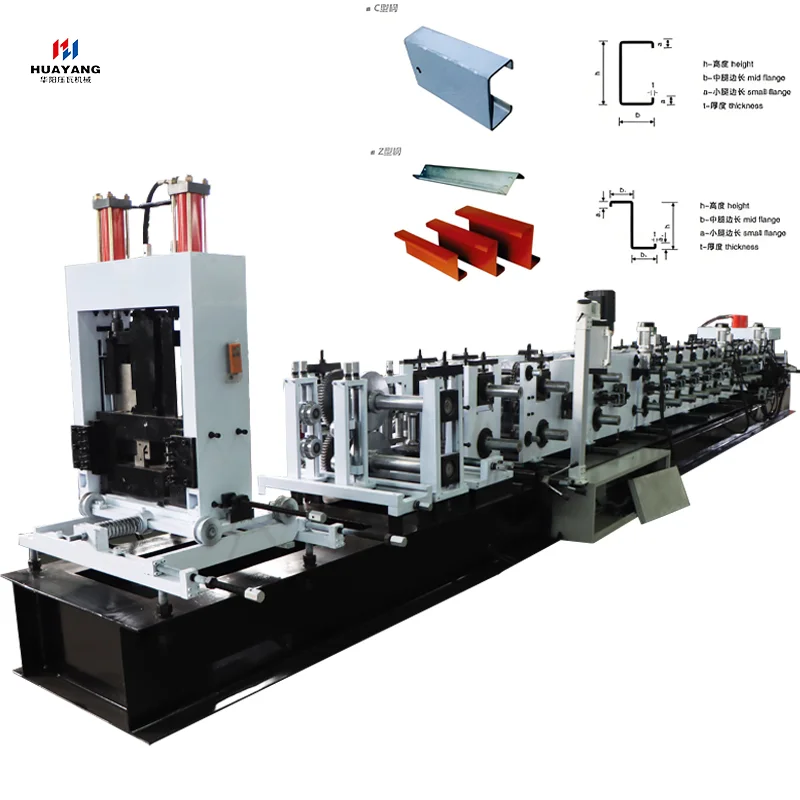
The mechanism of a drywall ceiling profile machine relies on a series of precision-engineered rollers that gradually bend a flat strip of galvanized steel into a specific cross-sectional shape. This process, known as cold roll forming, is highly efficient because it happens continuously. The material passes through multiple stations, each adding a small amount of curvature until the final profile is achieved. This method ensures that the metal maintains its structural integrity without the stress fractures often associated with press braking. For manufacturers, this means higher output rates and a significant reduction in labor costs per linear meter of product.
Industry Insight: Cold roll forming is preferred for ceiling profiles because it allows for the production of extremely long sections with uniform dimensions, which is critical for maintaining a flat, level ceiling surface across large commercial spaces.
Key Advantages of Using a Drywall Ceiling Profile Machine
Investing in a high-quality drywall ceiling profile machine provides several competitive edges. Firstly, the accuracy is unparalleled; the machine ensures that every piece is identical, which simplifies the assembly process for installers. Secondly, the speed of production allows companies to take on larger contracts with shorter lead times. Additionally, the ability to integrate automatic cutting systems means that profiles can be delivered in precise lengths, virtually eliminating scrap metal on the construction site. This not only saves money but also aligns with green building standards by reducing industrial waste.
Efficiency Gains:
• Zero Waste: Precision cutting reduces raw material loss.
• Labor Reduction: Automation replaces multiple manual bending steps.
• Scalability: Easily increase daily output to meet market demand.
• Consistency: Eliminates human error in profile dimensions.
Technical Specifications: Drywall Ceiling Profile Machine Models
Depending on the scale of your operation, different machine configurations are available. From entry-level semi-automatic lines to fully integrated industrial systems, choosing the right specifications is key to ROI. A standard drywall ceiling profile machine typically handles galvanized steel strips of varying thicknesses. Below is a detailed specification table for our most popular industrial models to help you compare capabilities.
Maintenance Tips for Long-Term Machine Performance
To ensure your drywall ceiling profile machine operates at peak efficiency for years, a strict maintenance schedule is essential. The most critical areas are the rollers and the transmission chains. Regular lubrication prevents friction-induced wear, which can lead to profile warping or dimensional inaccuracies. Additionally, operators should frequently inspect the raw material coils for any surface defects or rust, as these can damage the rollers over time. By implementing a weekly check-up and monthly deep-cleaning routine, you can avoid costly unplanned downtime and maintain the high tolerances required for architectural ceiling profiles.

Selecting the Right Supplier for Your Profile Machine
Not all machinery is created equal. When shopping for a drywall ceiling profile machine, it is vital to look beyond the initial price tag. Consider the quality of the steel used for the rollers—hardened chrome steel is the industry standard for longevity. Furthermore, ensure the supplier provides comprehensive after-sales support, including installation guidance and spare parts availability. A reliable partner will offer a warranty that covers the mechanical components and provide a PLC system that is easy to program and troubleshoot. This ensures that your production line remains agile and capable of adapting to new profile designs as building codes evolve.
Conclusion: Elevating Your Production with Professional Machinery
The integration of a high-performance drywall ceiling profile machine is a strategic move for any construction material manufacturer. By combining precision engineering, automated efficiency, and reduced waste, these machines allow you to deliver superior products to your clients while increasing your profit margins. Whether you are scaling up a local operation or managing a large-scale industrial plant, investing in quality roll forming technology is the key to staying competitive in the modern building industry. Embrace automation today to ensure a flawless finish for tomorrow's ceilings.
Frequently Asked Questions (FAQs)
What materials are compatible with a drywall ceiling profile machine?
The majority of these machines are designed to work with galvanized steel, as it provides the necessary corrosion resistance for ceiling environments. However, depending on the roller configuration, some machines can also process cold-rolled steel or aluminum. It is crucial to ensure that the material thickness matches the machine's specified range to prevent deformation of the rollers or inaccurate profile dimensions. Always consult the technical manual to verify the compatibility of your specific coil grade.
Can I customize the profile shape of the machine?
Yes, most professional manufacturers offer customization services. Since different regions and architectural standards require different channel shapes, the roller sets can be designed according to your specific technical drawings. By adjusting the diameter and position of the rollers, the drywall ceiling profile machine can produce a wide variety of C-channels, U-channels, or specialized ceiling grids. We recommend providing detailed CAD drawings to ensure 100% accuracy in the custom roller production.
How does automation improve the quality of the ceiling profiles?
Automation removes the variability associated with human operation. A PLC-controlled system ensures that the feeding speed, pressure, and cutting lengths are identical for every single piece. This eliminates "twist" or "bowing" in the profiles, which are common issues in manual production. When profiles are perfectly straight and consistent, the final ceiling installation is much faster, and the risk of sagging or uneven surfaces is virtually eliminated, leading to higher client satisfaction.
What is the average lead time for producing a custom profile machine?
The lead time typically varies between 20 to 45 days depending on the complexity of the profile and the level of automation required. This time includes the design phase, the precision machining of the rollers, the assembly of the machine frame, and rigorous testing with actual materials to ensure specifications are met. To speed up the process, choosing a standard profile model can significantly reduce the lead time, allowing for faster deployment in your facility.

-
 Oct 05,26
-
 Sep 29,26


