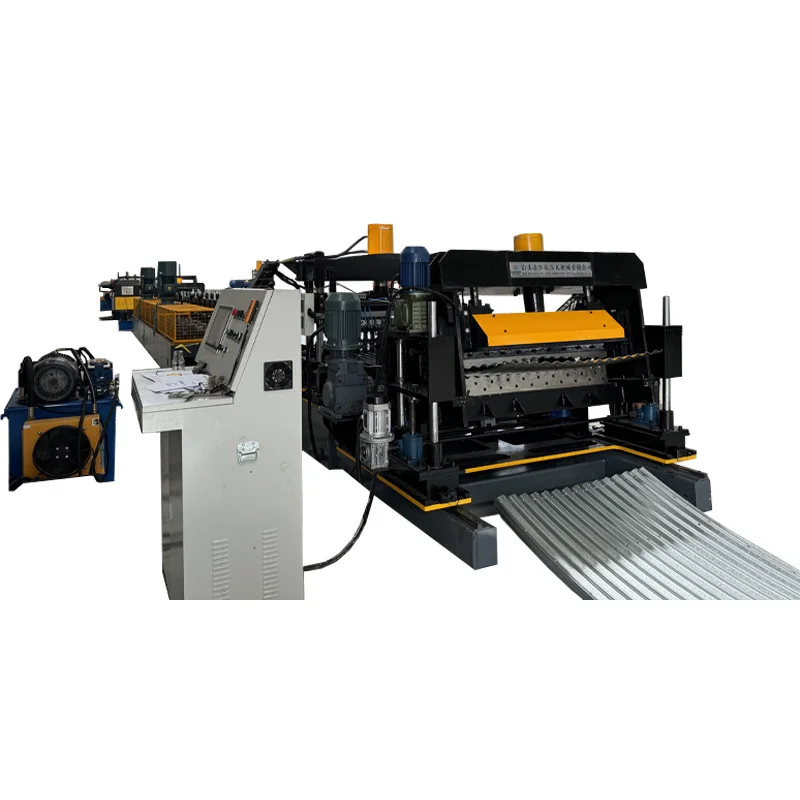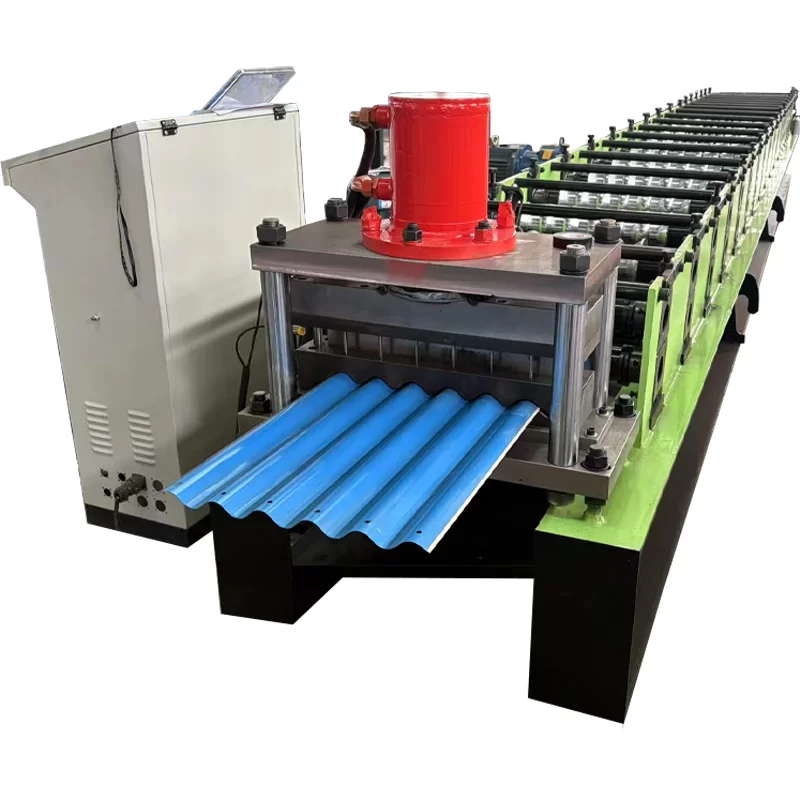
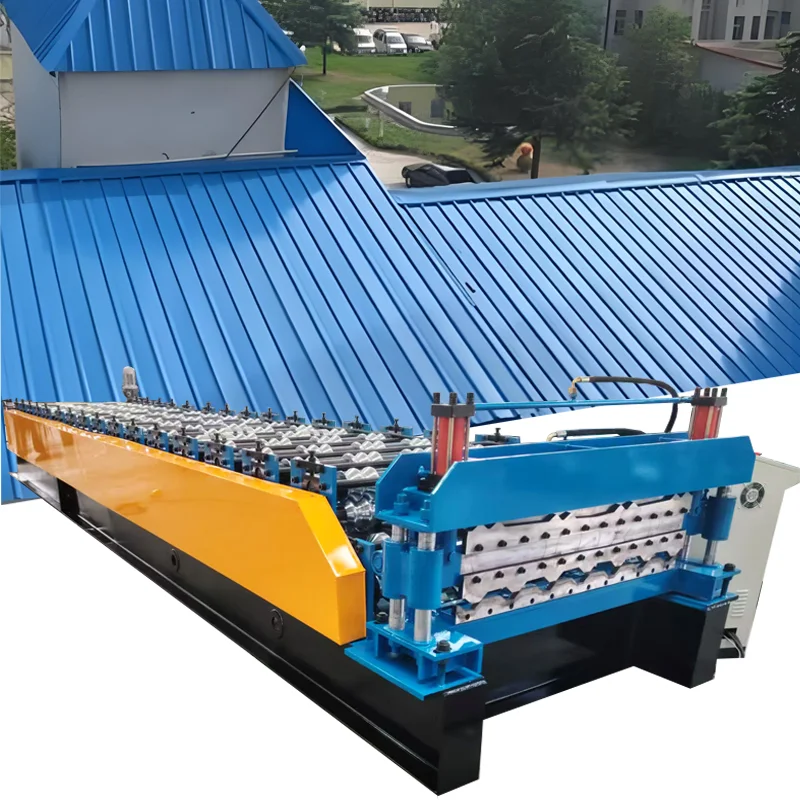
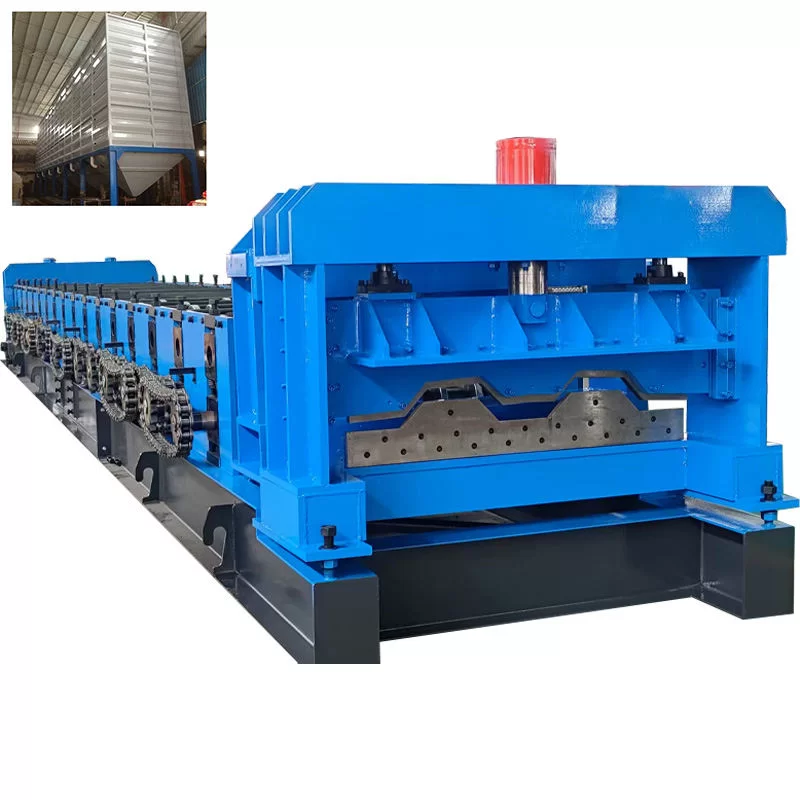
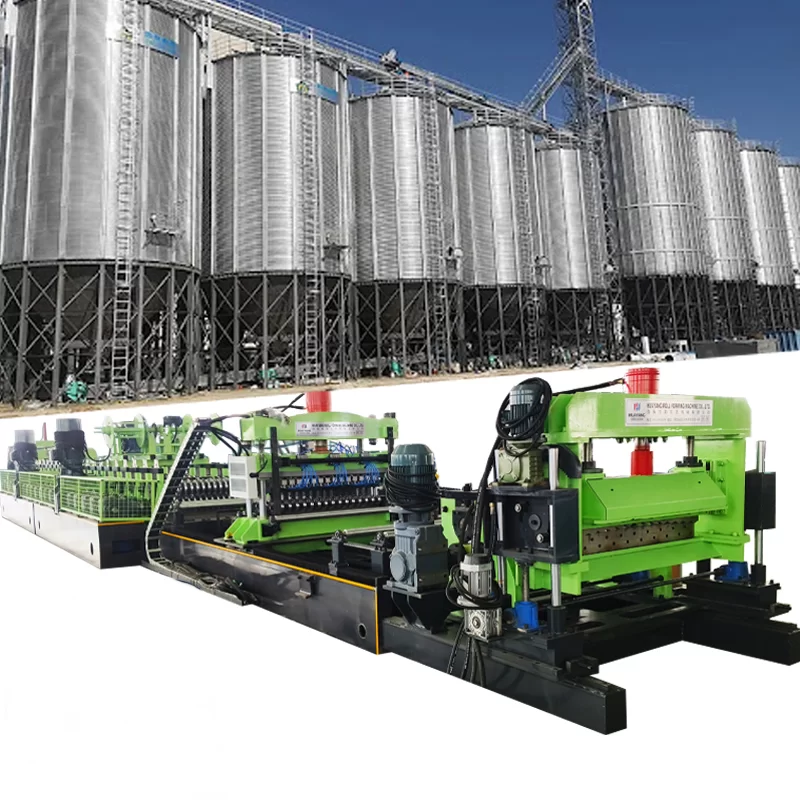
Advanced spiral steel silo making machine Solutions for New Zealand Agriculture

Advanced spiral steel silo making machine Solutions for New Zealand Agriculture

Advanced spiral steel silo making machine Solutions for New Zealand Agriculture

Precision-engineered roll forming technology designed to meet the rigorous demands of New Zealand's dairy and grain storage infrastructure.

The State of Metal Forming Machinery in New Zealand

Analyzing the intersection of agricultural necessity and industrial precision in the Kiwi market.

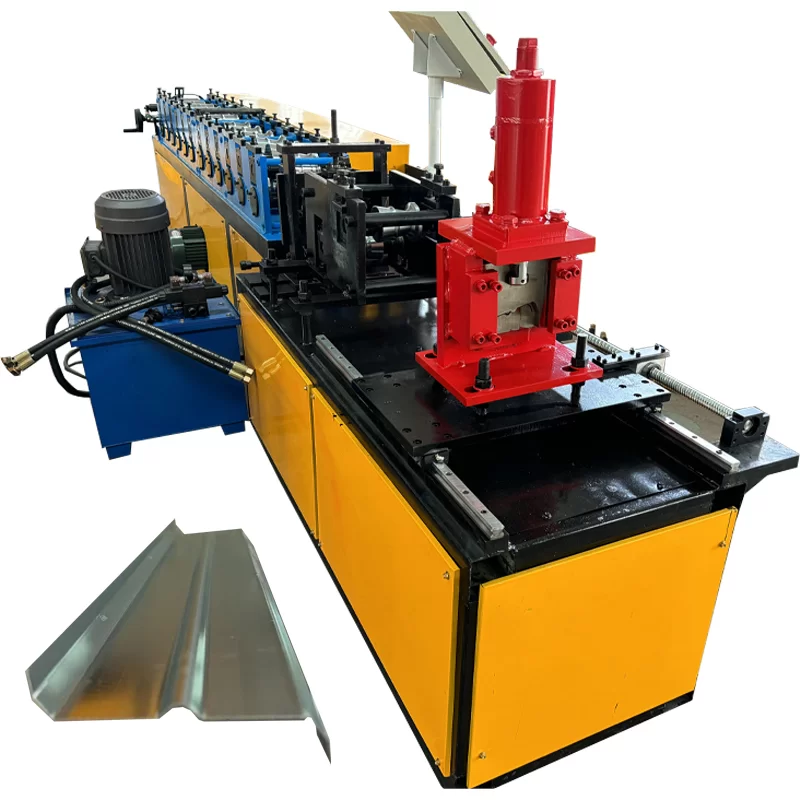
New Zealand's unique geography, characterized by vast pastoral landscapes and a strong dairy sector, creates a constant demand for high-capacity storage. The current market relies heavily on a steel water tank making machine to provide reliable irrigation and livestock watering systems, especially in drought-prone regions like Canterbury.

Due to the country's strict environmental regulations and the need for corrosion resistance in coastal areas, there is a shift toward high-tensile, galvanized steel processing. Local manufacturers are increasingly integrating a silo sheet forming machine to produce modular components that can be easily transported to remote farming sites.

Furthermore, New Zealand's seismic activity requires storage structures with superior structural integrity. This has led to a preference for spiral-wound designs, driving the adoption of the water tank forming machine which ensures seamless, leak-proof construction capable of withstanding geological shifts.
Evolution of Storage Manufacturing in Oceania

From manual riveting to automated precision roll forming.

Market Development History

In the mid-20th century, New Zealand relied on traditional welded steel tanks and concrete silos, which were labor-intensive and prone to leakage over time. The process was slow, requiring extensive on-site welding and manual quality checks.

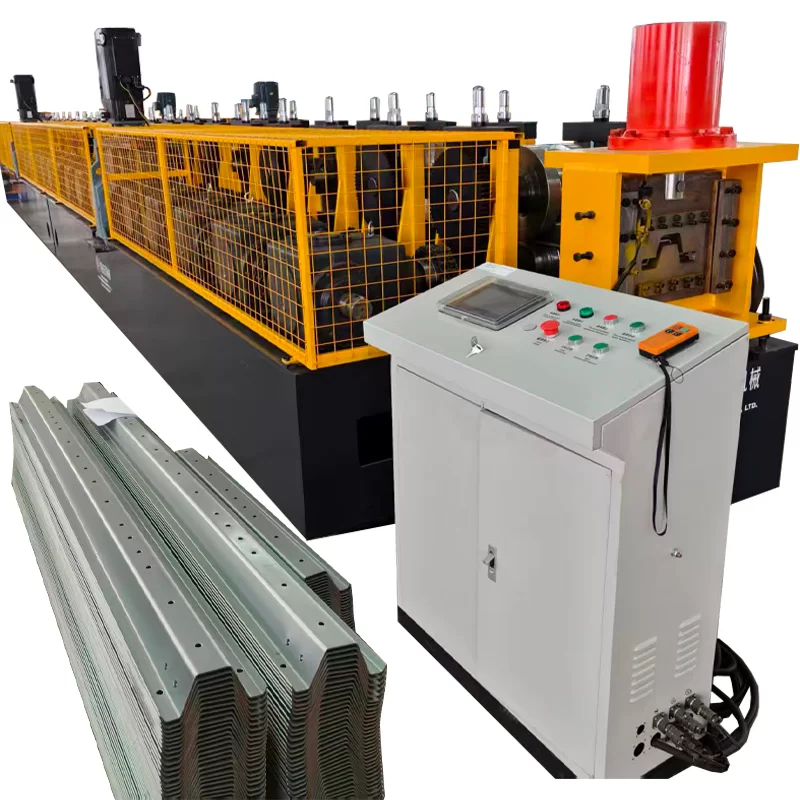
By the 1990s, the introduction of early roll forming technology allowed for the production of corrugated panels. This era saw the first widespread use of a silo panel roll forming machine, reducing installation time by 40% and improving the uniformity of the storage walls.

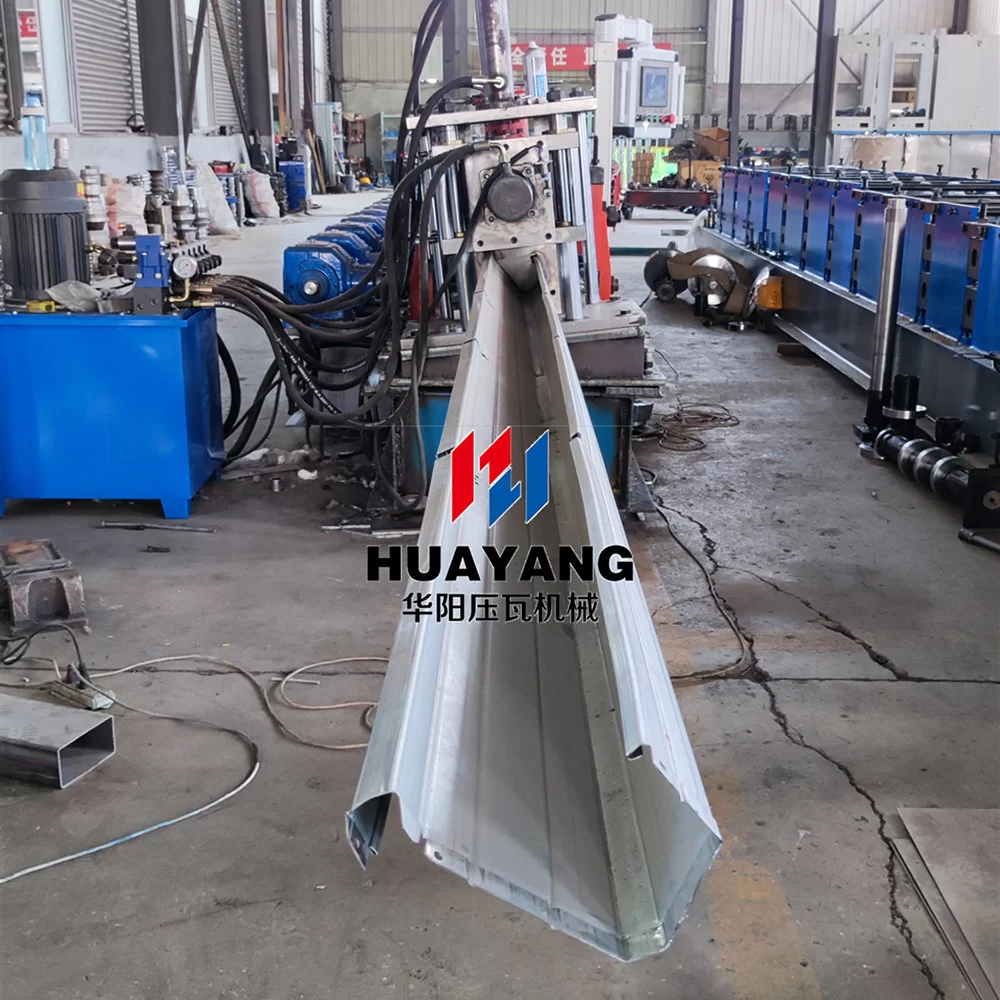
From 2010 to the present, the industry has transitioned to fully automated CNC systems. Modern plants now utilize integrated lines that combine precision feeding and high-speed forming, ensuring that every panel meets ISO standards for agricultural storage.

Future Development Trends

AI-Driven Material Optimization

Integrating smart sensors into the forming process to reduce steel waste and optimize wall thickness based on the intended storage volume and load.

Sustainable Coating Integration

Development of machines that can handle eco-friendly, high-durability polymers to replace traditional galvanization in New Zealand's salty coastal air.

Modular Rapid-Deploy Systems

A trend toward "plug-and-play" silo components that can be assembled in hours rather than days, catering to the fast-paced seasonal needs of the agri-business sector.

Industrial Trends and Future Outlook

Navigating the next generation of metal forming technology.

Industry 4.0 Integration
Implementing IoT and real-time monitoring to track the precision of roll forming in real-time.
Precision Tolerance Control
Reducing gap errors in panel joints to zero through advanced laser-guided forming systems.
Carbon-Neutral Manufacturing
Transitioning to energy-efficient servo motors to reduce the electrical footprint of manufacturing plants.
Customized Geometries
Developing flexible tooling that allows for rapid switching between different silo diameters.

Industry Outlook

The search trend for automated steel storage solutions in New Zealand shows a steady 15% year-on-year increase. This indicates a strong shift from imported finished tanks to locally manufactured, customized storage systems using advanced machinery.

In the next 3-5 years, we expect the integration of hybrid materials—combining steel with composite reinforcements—which will require a new generation of forming machines capable of handling multi-layer substrates.

Local Application Scenarios in New Zealand

Practical deployments of metal forming technology across the North and South Islands.

1. Dairy Farm Water Security in Waikato

Implementation of high-capacity reservoirs produced by a steel water tank making machine to ensure continuous water supply for cattle during dry summer periods.

2. Grain Storage for Canterbury Plains

Deployment of large-scale storage silos using a spiral steel silo making machine to minimize post-harvest losses for wheat and barley farmers.

3. Coastal Fertilizer Storage in Auckland

Utilizing a silo sheet forming machine to create corrosion-resistant, galvanized silos that withstand high saline environments.

4. Remote Rainwater Harvesting in Otago

Small to medium scale water tanks produced by a water tank forming machine for sustainable water management in off-grid rural properties.

5. Industrial Feed Silos for Southland

High-strength feed storage units manufactured via a silo panel roll forming machine for commercial livestock feed distributors.

Brand Story

Global Development Journey of Botou Huayang Roll Forming Machinery Co., Ltd.

Founding Vision

Established with a commitment to solve the inefficiency of traditional metal tank production through precision engineering.

Technological Breakthrough

Developed the first generation of high-precision spiral winding systems, eliminating common leak points in storage silos.

Market Expansion

Successfully exported advanced roll forming lines to the Oceania region, adapting designs for New Zealand's seismic standards.

Innovation Hub

Launched an R&D center focused on servo-driven forming technology to improve energy efficiency and product accuracy.

Global Leadership

Now recognized as a leading provider of steel silo machinery, empowering manufacturers worldwide to build sustainable infrastructure.

Frequently Asked Questions - NZ Metal Forming

Expert answers to technical queries regarding silo and tank production.

How does a spiral steel silo making machine improve structural stability?

The spiral winding process creates a continuous seam, which distributes the load more evenly across the wall, significantly reducing the risk of buckling compared to bolted panels.

What is the optimal steel thickness for a steel water tank making machine in rural NZ?

Depending on the volume, thickness usually ranges from 1.5mm to 4mm. Our machines allow for adjustable thickness to balance weight and hydrostatic pressure.

Can a silo sheet forming machine handle ZAM or Galvalume coatings?

Yes, our rollers are precision-engineered with specialized coatings to prevent scratching and ensure the integrity of high-performance alloys like ZAM.

How long does it take to set up a water tank forming machine for a new project?

With our modular design and CNC presets, most operators can switch between tank dimensions in under 30 minutes.

Does the silo panel roll forming machine support customized profiles?

Absolutely. We provide custom roller profiles tailored to your specific structural requirements or local building codes in New Zealand.

What maintenance is required for high-speed silo machinery?

Regular lubrication of the gearboxes and calibration of the guiding sensors every 500 operating hours are recommended to maintain micron-level precision.

Ready to Upgrade Your Production?

Contact our specialists today for customized metal forming solutions tailored for New Zealand.

Contact Us Now