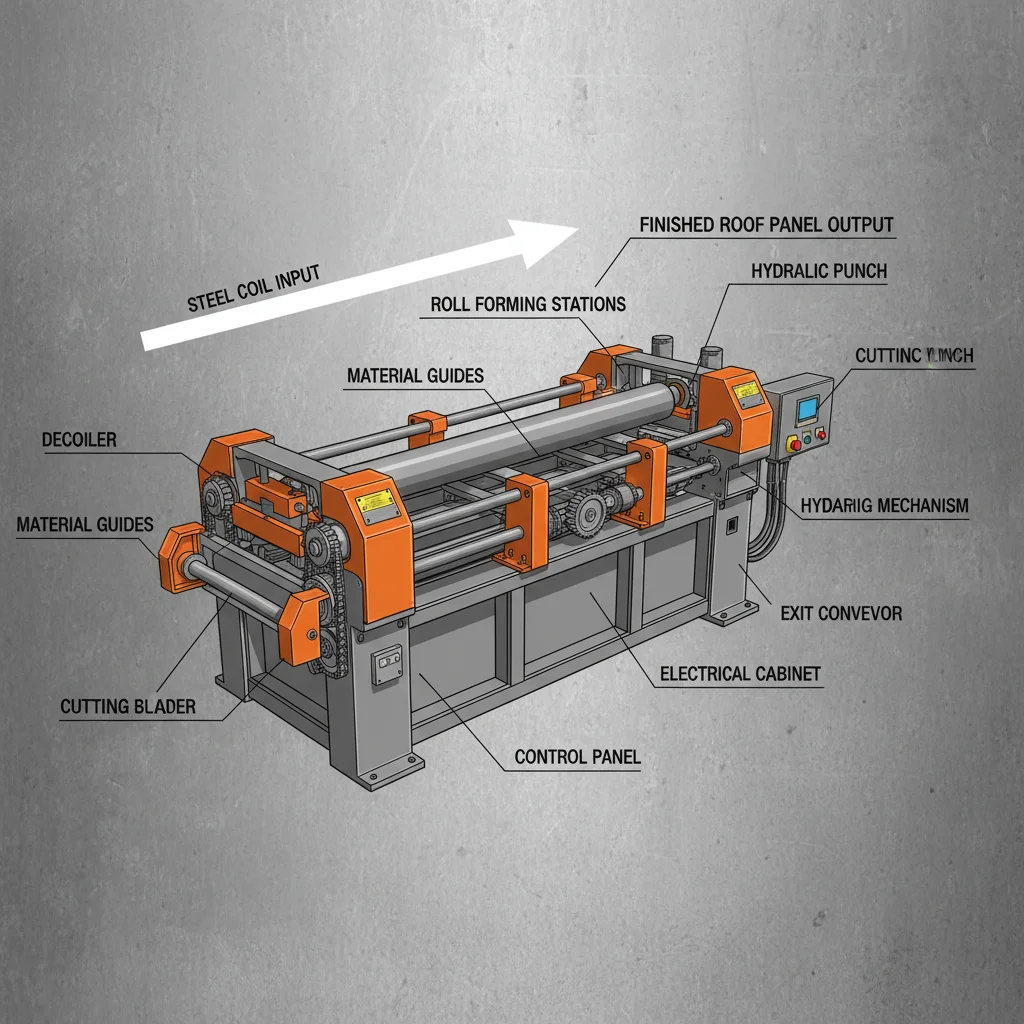
In the modern landscape of industrial construction, the efficiency of structural assembly relies heavily on the precision of steel frame & purlin machines. These advanced systems transform raw steel coils into the backbone of warehouses, agricultural silos, and commercial complexes, ensuring that every beam and support is engineered for maximum load-bearing capacity and architectural stability.
The global shift toward prefabricated steel construction has highlighted the critical need for high-performance roll forming technology. By automating the production of C, Z, and U sections, steel frame & purlin machines reduce material waste and labor costs while accelerating project timelines, making them indispensable for developers aiming for rapid scalability.
Understanding the nuances of these machines—from their metallurgical compatibility to their digital control systems—allows manufacturers to optimize their output. Whether producing light-gauge frames for residential housing or heavy-duty purlins for industrial hangars, the right equipment ensures a seamless transition from digital blueprints to physical reality.
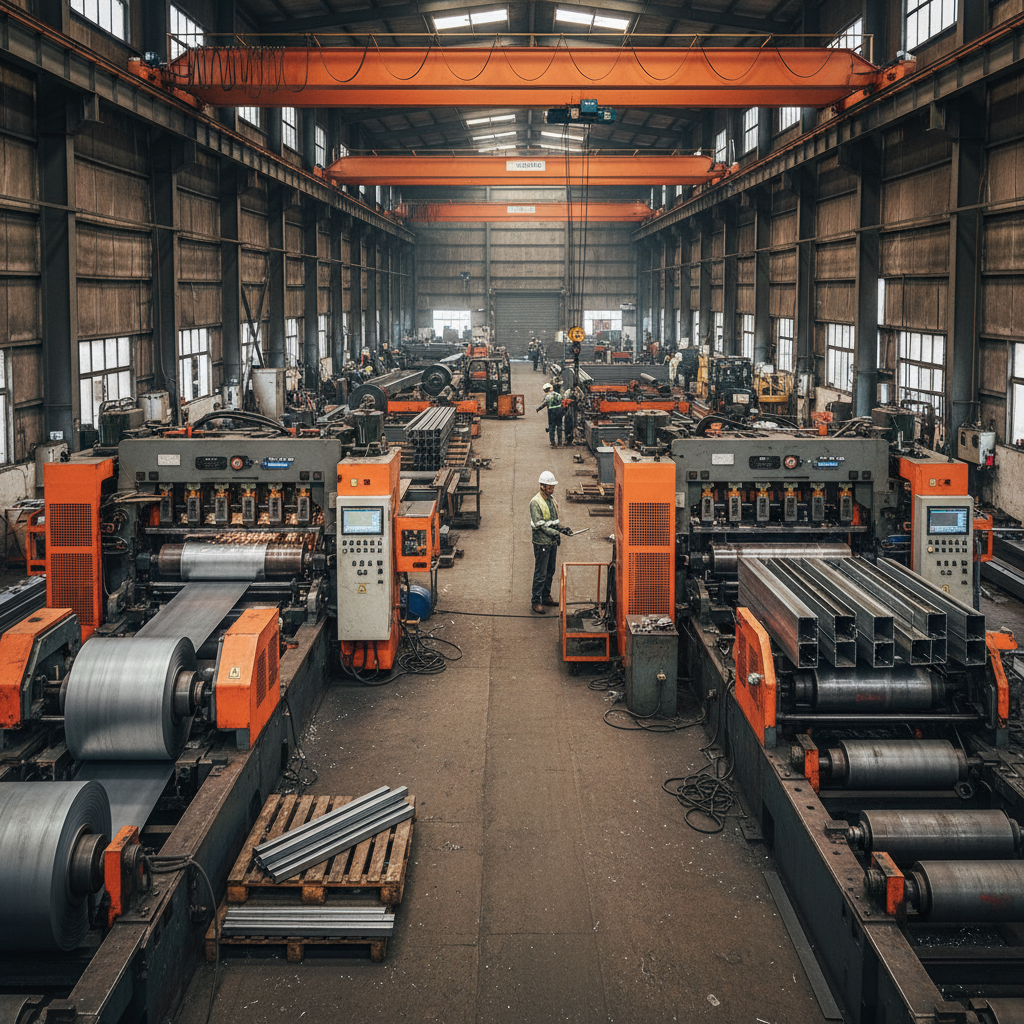
Global Relevance of Steel Frame & Purlin Machines
The global construction industry is currently undergoing a paradigm shift toward sustainable and rapid deployment methods. According to industry trends aligned with ISO standards for structural steel, the adoption of steel frame & purlin machines has surged as emerging economies in Southeast Asia and Africa expand their industrial infrastructure. The ability to produce consistent, high-strength profiles on-site or in centralized factories is no longer a luxury but a necessity for meeting urban housing demands.
However, the industry faces a significant challenge: the volatility of raw material costs and the demand for tighter tolerances. Conventional manual fabrication is too slow and prone to human error, which can compromise the structural integrity of a building. This is where high-precision steel frame & purlin machines step in, providing a digitized solution that eliminates guesswork and ensures every purlin meets strict safety certifications.
Defining Modern Steel Frame & Purlin Machines
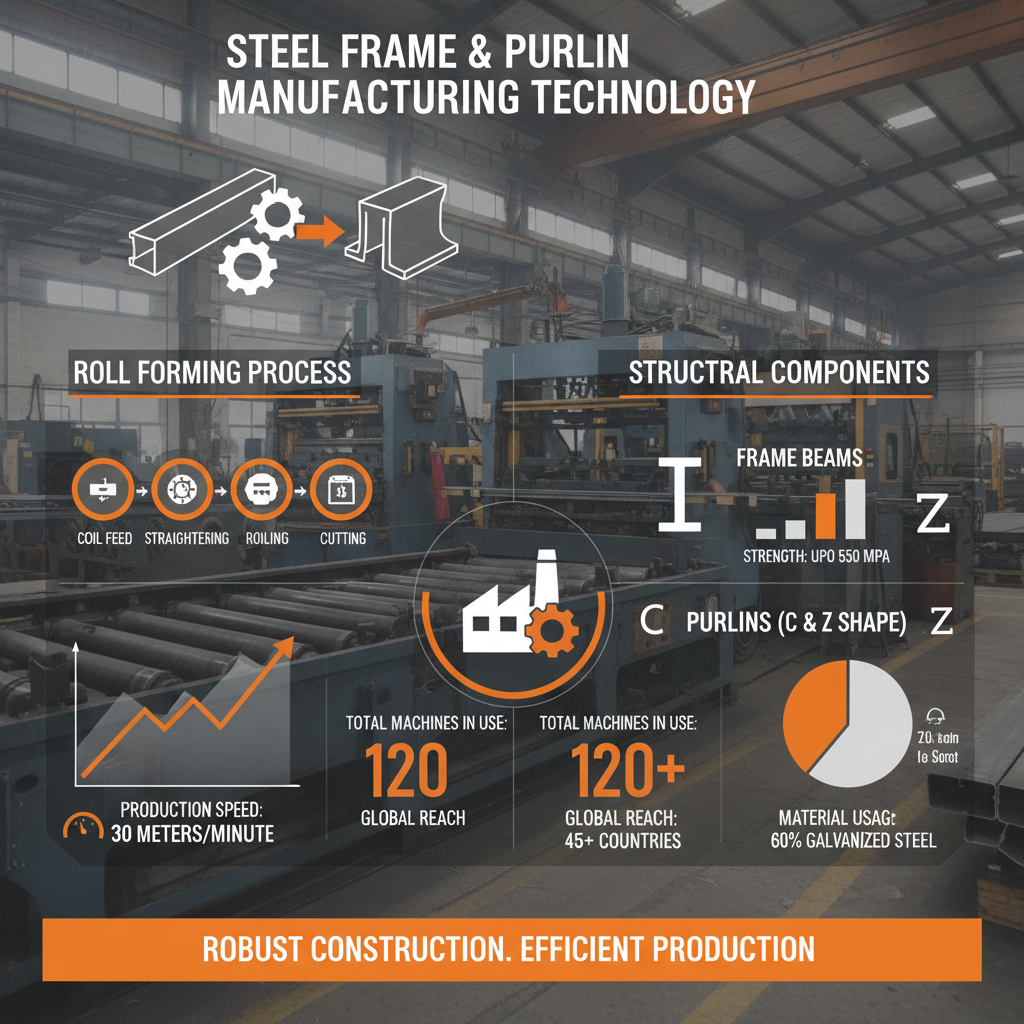
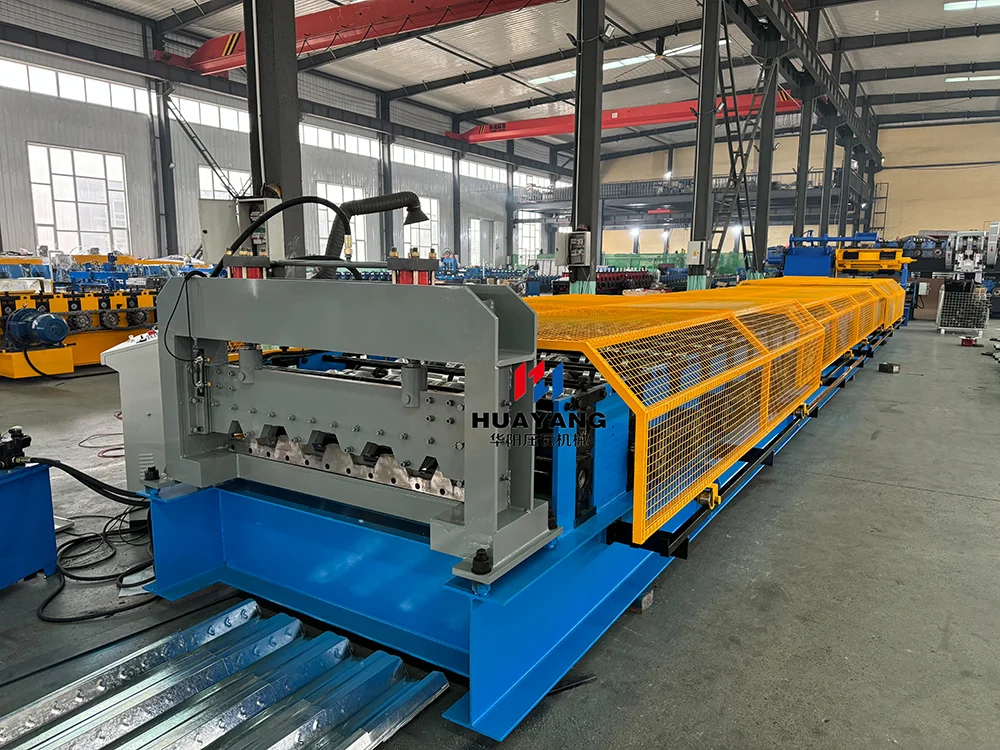
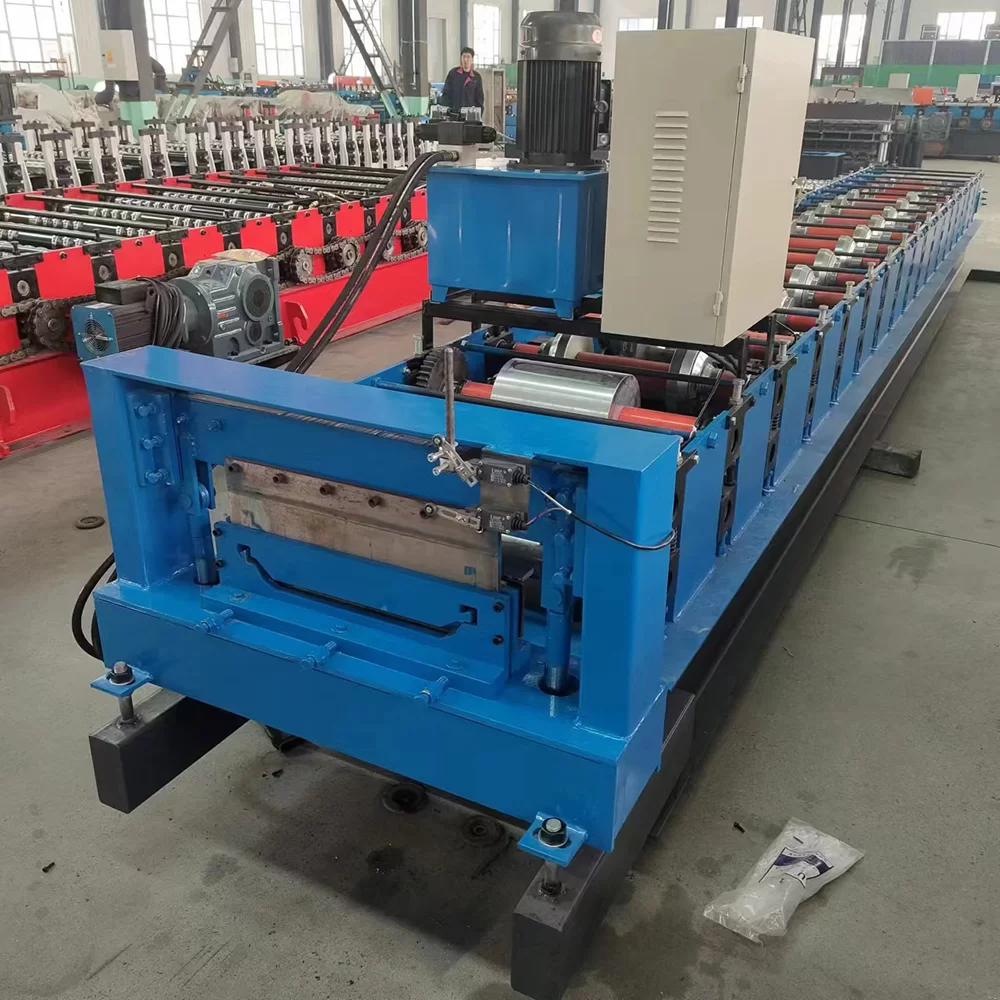
At its core, steel frame & purlin machines are specialized roll forming systems designed to bend flat steel strips into specific cross-sectional shapes, such as C-channels, Z-sections, or U-profiles. Unlike press braking, which bends metal in a single hit, these machines use a series of rollers to gradually shape the metal, ensuring that the structural properties of the steel are maintained without creating stress fractures.
Beyond the mechanical process, these machines serve as the bridge between architectural design and physical construction. In the context of humanitarian needs—such as the rapid assembly of emergency shelters or clinics in disaster-stricken areas—these machines allow for the mass production of lightweight yet sturdy frames that can be transported easily and assembled without heavy machinery.
Modern iterations of steel frame & purlin machines now integrate CNC (Computer Numerical Control) systems, allowing operators to change profile sizes and lengths with a few clicks. This versatility makes them essential for multipurpose fabrication shops that need to pivot between different project specifications daily.
Core Components and Technical Factors
The durability of steel frame & purlin machines is primarily determined by the quality of the forming rollers. Constructed from high-grade alloy steel and heat-treated for extreme hardness, these rollers must resist wear even after producing thousands of kilometers of profiles.
Scalability is achieved through the modular design of the machine stand. By utilizing a standardized shaft and bearing system, steel frame & purlin machines can be expanded to include additional forming stations, allowing for more complex geometries or thicker gauges of steel.
Cost efficiency is driven by the integration of automatic cutting systems. Hydraulic shearing mechanisms synchronized with the roll forming speed ensure that each piece is cut to the exact millimeter, virtually eliminating material scrap and reducing the cost per linear meter of the finished purlin.
Global Applications and Use Cases
In real-world contexts, steel frame & purlin machines are the unsung heroes of the agricultural sector. For instance, the construction of massive grain silos in the American Midwest or the Australian Outback relies on these machines to create the circumferential stiffeners and roof purlins that prevent the structure from collapsing under the weight of thousands of tons of produce.
In remote industrial zones, such as mining camps in Northern Canada or oil refineries in the Middle East, modular frames produced by steel frame & purlin machines enable the fast deployment of worker housing. These frames are designed for rapid interlocking, allowing structures to be erected in days rather than months, regardless of the harsh environmental conditions.
Comparative Efficiency of Steel Frame & Purlin Machines Methods
Long-Term Value and Economic Advantages
The tangible benefits of investing in high-quality steel frame & purlin machines extend far beyond initial production speed. From a sustainability perspective, roll forming is inherently more eco-friendly than traditional casting or heavy machining, as it produces minimal waste. The ability to use high-tensile, thin-gauge steel allows for the reduction of the total carbon footprint of a building without sacrificing safety.
Logically, the reliability of these machines builds trust between the manufacturer and the end client. When a project manager knows that every purlin is identical and meets a strict tolerance of +/- 0.5mm, the risk of on-site fitting errors is eliminated. This creates a psychological sense of security and professional dignity for the engineers and builders involved, fostering long-term partnerships based on precision and innovation.
Future Trends in Roll Forming Technology
The future of steel frame & purlin machines is inextricably linked to the digital transformation of the construction industry, specifically BIM (Building Information Modeling). We are moving toward a "closed-loop" system where architectural software exports data directly to the machine, which then rolls, punches, and cuts the steel automatically, eliminating the need for manual data entry.
Green energy is also driving innovation in materials. New steel frame & purlin machines are being optimized to handle recycled steel alloys and advanced galvanized coatings that offer superior corrosion resistance with fewer chemicals. This alignment with global ESG (Environmental, Social, and Governance) goals is making sustainable steel fabrication a competitive advantage.
Automation and AI-driven predictive maintenance are the final pieces of the puzzle. Future machines will likely feature sensors that detect roller wear in real-time, notifying the operator before a defect occurs. This shift from reactive to proactive maintenance will ensure that production lines for steel frames never suffer from unplanned downtime.
Overcoming Challenges in Purlin Production
One of the most common limitations in current practice is "spring-back," where the steel tends to return slightly to its original shape after leaving the rollers. To overcome this, expert engineers design steel frame & purlin machines with over-bending capabilities and precision-calculated roller gaps that compensate for the specific elastic properties of the steel grade being used.
Another challenge is the integration of punching and notchting. Traditionally, these were separate processes, leading to handling delays. The modern solution is the integration of hydraulic punching units directly into the roll forming line, allowing the steel frame & purlin machines to produce finished, ready-to-assemble components in a single pass.
Finally, the high initial capital investment can be a barrier for smaller firms. However, by adopting a "modular leasing" or "phased upgrade" approach, companies can start with basic roll forming capabilities and incrementally add CNC controls and automation as their volume increases, ensuring a sustainable return on investment.
Analysis of Operational Efficiency Across Different Machine Tiers
| Machine Tier |
Precision Level |
Waste Reduction |
ROI Period |
| Entry-Level Manual |
Moderate (±2mm) |
Low (5-8%) |
6-12 Months |
| Semi-Automated |
High (±1mm) |
Medium (3-5%) |
12-18 Months |
| Full CNC Series |
Ultra-High (±0.5mm) |
Very High (<2%) |
18-24 Months |
| Heavy Duty Industrial |
High (±1mm) |
Medium (2-4%) |
24-36 Months |
| Modular Hybrid |
High (±0.8mm) |
High (2-3%) |
15-20 Months |
| Precision Light-Gauge |
Ultra-High (±0.3mm) |
Very High (<1%) |
12-18 Months |
FAQS
C-purlins have a "C" shaped cross-section and are typically used for wall girts or simpler roof supports. Z-purlins, produced by specialized steel frame & purlin machines, have a "Z" shape that allows them to overlap, creating a continuous beam that provides significantly higher structural strength and load distribution across a roof span.
Precision depends on three factors: the hardness of the rollers, the rigidity of the machine stands, and the accuracy of the CNC control system. Regular calibration of the roller gaps and using high-grade alloy steel for the rollers ensures that steel frame & purlin machines maintain tight tolerances over long production runs.
Yes, but it depends on the design. Some steel frame & purlin machines feature adjustable rollers that can be modified via manual or automatic settings. For completely different profiles (e.g., switching from C to U), a "cassette" system is used where the entire set of rollers is swapped out quickly.
Absolutely. Automated cutting integrated into steel frame & purlin machines uses encoders to measure the exact length of the steel as it moves. This eliminates human error, reduces material waste by up to 5%, and ensures that every single piece is identical, which is critical for fast on-site assembly.
Most machines are designed for Hot-Rolled Steel, Cold-Rolled Steel, and Galvanized Steel. The choice of material depends on the final application; for example, galvanized steel is preferred for outdoor steel frame & purlin machines projects to prevent rust and extend the life of the structure.
The choice depends on the thickness of the steel you intend to process. Light-gauge machines are optimized for 0.8mm to 3mm steel, ideal for residential framing. Heavy-duty steel frame & purlin machines are engineered for materials above 3mm, used in industrial warehouses and heavy infrastructure projects.
Conclusion
The strategic integration of steel frame & purlin machines into the modern construction workflow represents a critical evolution in industrial efficiency. By bridging the gap between digital design and physical fabrication, these machines enable the production of high-precision, sustainable, and cost-effective structural components that form the backbone of global infrastructure. From the reduction of material waste to the acceleration of project timelines, the value they provide is both economic and structural.
Looking forward, the synergy between AI-driven automation and green metallurgy will further redefine the capabilities of roll forming. For manufacturers and developers, investing in high-precision technology today is not just about increasing current output, but about preparing for a future where construction is modular, digitized, and carbon-neutral. We invite you to explore the pinnacle of fabrication technology. Visit our website: www.hyrollformingmachine.com