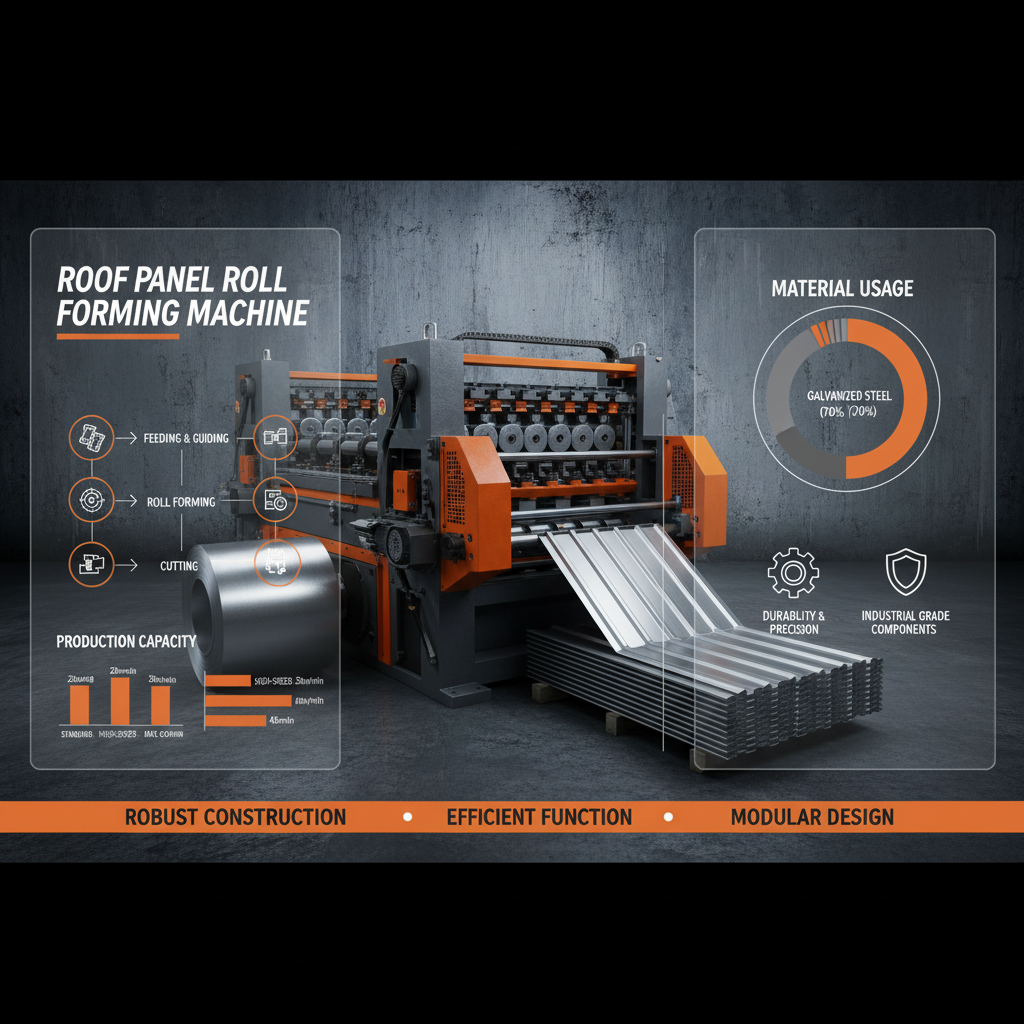
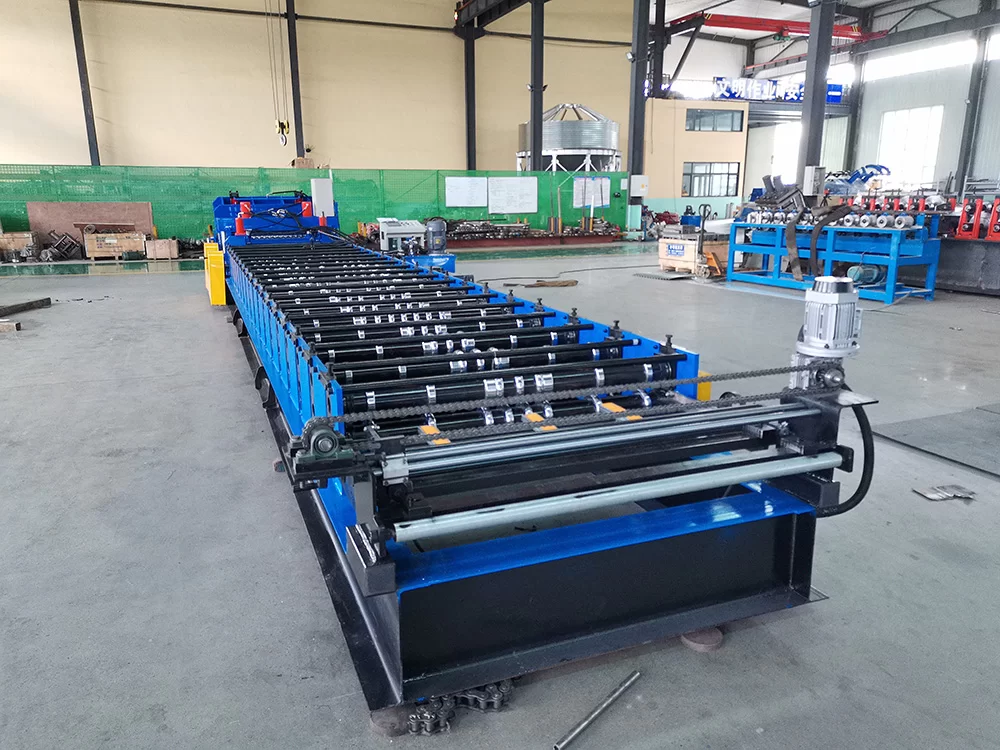
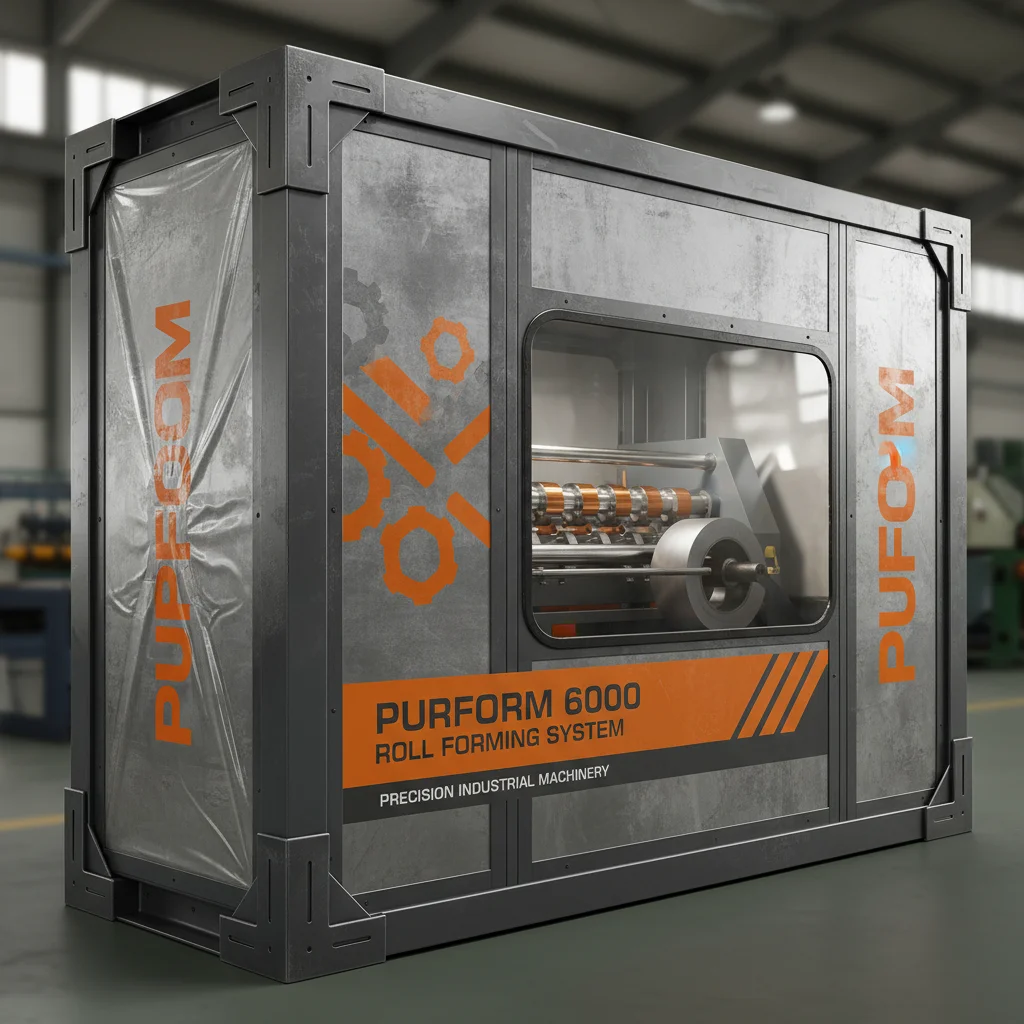
The global construction landscape is witnessing a paradigm shift toward sustainable and rapid installation methods, where the roof panel roll forming machine plays a pivotal role. By transforming flat metal coils into high-precision profiled sheets, these machines enable the creation of weather-resistant, durable, and aesthetically pleasing roofing solutions that meet the rigorous demands of modern architecture.
Understanding the intricacies of a roof panel roll forming machine is essential for manufacturers and contractors who aim to optimize production efficiency and reduce material waste. As urban expansion accelerates and the demand for industrial warehouses and residential housing grows, the ability to produce customized lengths of roofing panels on-site or in-factory becomes a significant competitive advantage.
Beyond mere fabrication, the adoption of advanced roll forming technology reflects a broader commitment to engineering excellence and resource optimization. By leveraging the capabilities of a professional roof panel roll forming machine, businesses can ensure structural integrity while significantly lowering the total cost of ownership for their end-customers.
Global Relevance of Roof Panel Roll Forming Technology
In the current global economic climate, the demand for rapid industrialization and infrastructure resilience has surged. According to industrial growth patterns aligned with ISO quality standards, the use of a roof panel roll forming machine has become standard in emerging markets to combat the shortage of traditional building materials. This technology allows for the rapid deployment of shelters and warehouses in regions experiencing sudden urban growth or post-disaster recovery.
The primary challenge addressed by this machinery is the inefficiency of manual sheet bending and the waste associated with press braking. By utilizing a continuous roll forming process, manufacturers can achieve an unprecedented level of consistency and speed, ensuring that every panel produced fits perfectly, thereby reducing on-site labor costs and accelerating project timelines.
Defining the Roof Panel Roll Forming Machine
At its core, a roof panel roll forming machine is a specialized piece of industrial equipment designed to bend a long strip of metal—usually galvanized steel, aluminum, or galvalume—into a specific profile through a series of consecutive rollers. Unlike stamping, which forms a part in a single hit, roll forming gradually shapes the material, which minimizes internal stress and prevents the metal from warping or cracking.
This process is inextricably linked to the needs of modern sustainable architecture. By allowing for the creation of panels with integrated ribs and grooves, the machine enhances the structural strength of the roof without needing thicker, heavier materials. This optimization is crucial for reducing the carbon footprint of large-scale building projects.
From a humanitarian perspective, the versatility of the roof panel roll forming machine allows for the quick production of durable roofing for emergency clinics, schools, and temporary housing in remote areas where traditional logistics are hampered by poor infrastructure.
Core Components for High-Precision Production
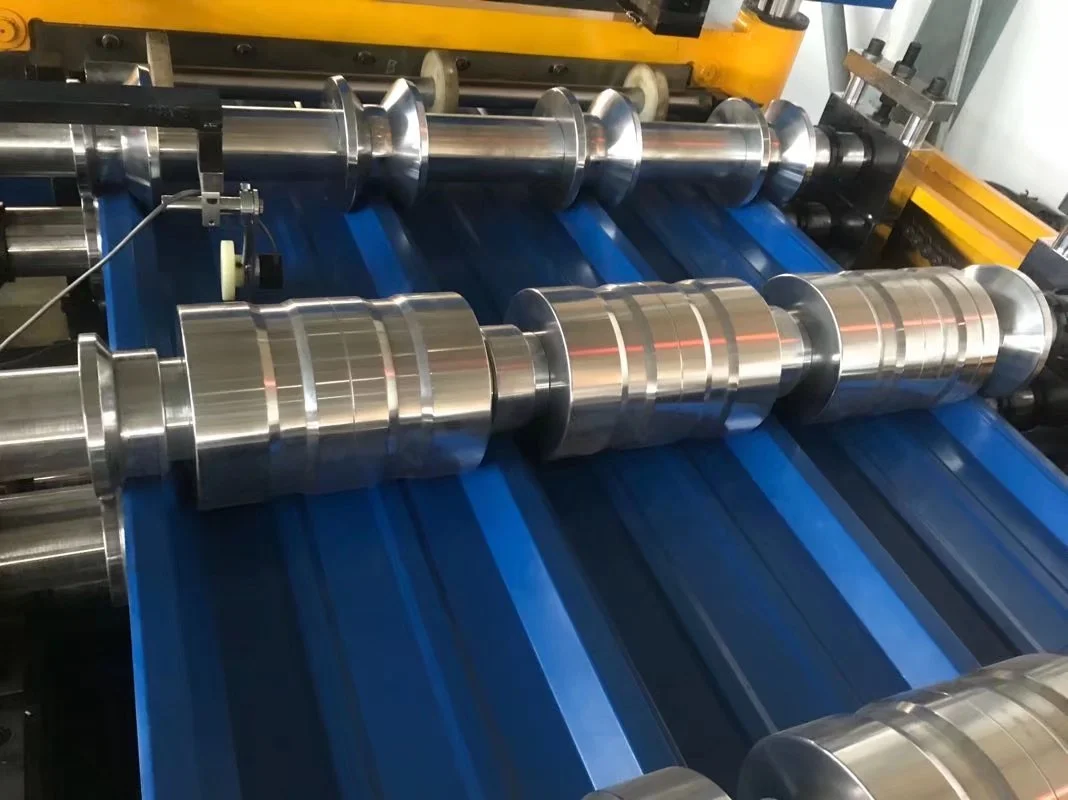
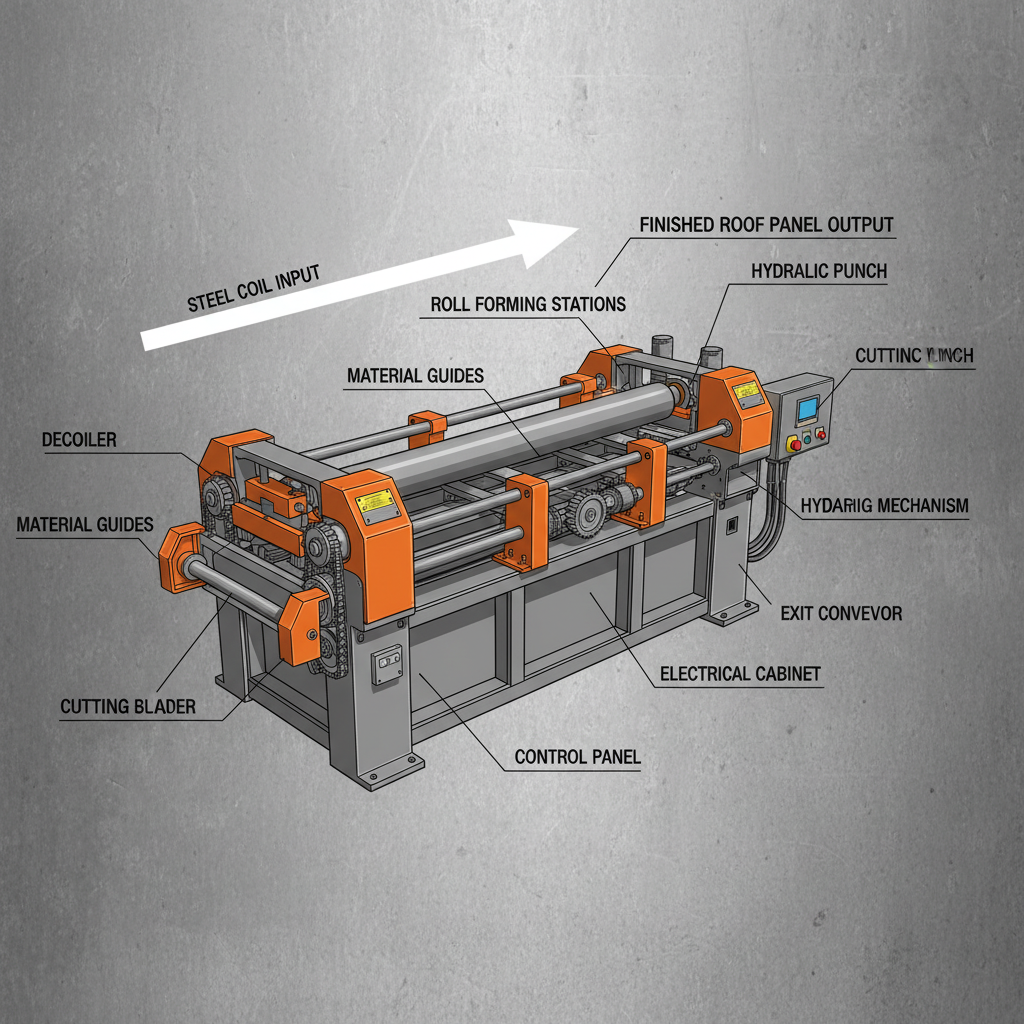
The precision of a roof panel roll forming machine depends heavily on its roller stations. These high-grade alloy steel rollers are engineered to provide gradual deformation, ensuring that the profile remains consistent across the entire length of the panel, regardless of whether it is 3 meters or 30 meters long.
A critical component is the PLC control system, which acts as the brain of the roof panel roll forming machine. This system manages the cutting length and the speed of the rollers, allowing operators to input precise dimensions and receive an automated, clean cut from the hydraulic shearing unit.
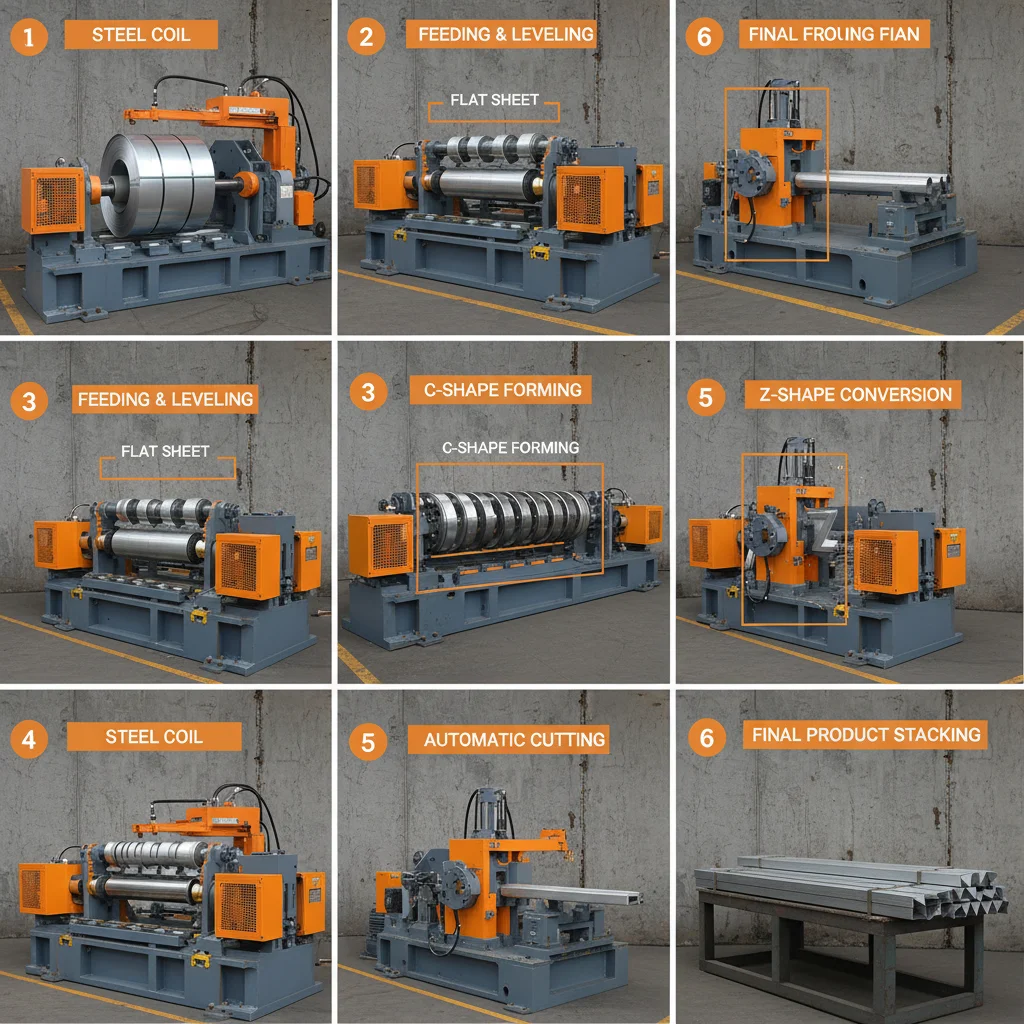
Finally, the decoiler and guiding system ensure that the raw metal coil is fed into the machine without twists or tension irregularities. This synergy between the feeding, forming, and cutting stages is what enables the machine to maintain tight tolerances and high output rates.
Industrial Applications and Use Cases
The application of a roof panel roll forming machine spans multiple sectors, from agricultural silos and livestock sheds to massive logistics centers. In Southeast Asia and Africa, these machines are frequently used to create corrugated sheets that can withstand heavy monsoon rains and extreme heat, providing long-term security for local communities.
In specialized industrial zones, the technology is used to produce custom-profiled panels for clean-room facilities and aerospace hangars. The ability to modify the profile—shifting from a standard trapezoidal shape to a decorative standing seam—allows manufacturers to cater to both functional and architectural requirements.
Performance Comparison of Roof Panel Roll Forming Machine Methods
Long-Term Value and Sustainability
Investing in a high-quality roof panel roll forming machine provides immense long-term financial value through the reduction of scrap metal. Because the machine cuts to the exact length required by the project, material waste is nearly eliminated, which directly translates to higher profit margins and a more sustainable manufacturing cycle.
Beyond the numbers, there is a strong emotional and social value in the reliability of the end product. A well-formed roof panel provides a sense of safety and dignity to those living or working under it. By ensuring leak-proof seals and structural rigidity, the roll forming process contributes to the longevity of the building, reducing the need for frequent repairs and protecting the occupants from harsh environmental conditions.
Future Trends in Automated Roll Forming
The future of the roof panel roll forming machine is leaning heavily toward Industry 4.0 integration. We are seeing the rise of "smart" machines that can self-diagnose wear and tear on the rollers, alerting operators before a defect occurs in the product. This predictive maintenance minimizes downtime and ensures a constant flow of production.
Furthermore, the integration of green energy and lightweight, high-strength alloys is transforming the industry. New machines are being designed to handle recycled aluminum and bio-composite coated steels, aligning the roll forming process with global net-zero emission goals and circular economy principles.
Automation is also extending to the packaging and stacking phase. Robotic arms are now being paired with roll forming lines to automatically stack and wrap panels, removing the need for heavy manual lifting and further increasing the safety and speed of the entire warehouse operation.
Overcoming Common Manufacturing Challenges
One of the most common challenges in roll forming is "spring-back," where the metal slightly returns to its original shape after leaving the rollers. Experienced manufacturers overcome this by utilizing precision-calculated over-bending in the roller design of the roof panel roll forming machine, ensuring the final angle is exact.
Another issue is surface scratching, which can occur if the rollers are not properly polished or if the material is fed with too much tension. The solution lies in using chrome-plated rollers and implementing high-precision tension control systems that ensure a smooth, scratch-free finish on every panel.
Finally, maintaining consistency across different material gauges can be difficult. Modern machines solve this through adjustable roller gaps and digital presets, allowing the operator to switch from 0.5mm to 1.2mm steel with a few clicks on the touch screen, maintaining the same profile accuracy across all thicknesses.
Analysis of Roof Panel Roll Forming Machine Performance Factors
| Technical Factor |
Impact on Quality |
Maintenance Level |
Cost Efficiency |
| Roller Material (HRC Steel) |
Very High |
Low |
High |
| PLC Control Accuracy |
High |
Medium |
Very High |
| Hydraulic Cutting Speed |
Medium |
High |
Medium |
| Guide Rail Precision |
High |
Low |
High |
| Coil Tensioning System |
Medium |
Medium |
Medium |
| Frame Rigidity |
Very High |
Very Low |
High |
FAQS
Unlike traditional cutting and bending where off-cuts are common, the roof panel roll forming machine produces panels to the exact length specified in the PLC system. Because the forming process is continuous and the shearing happens at the very end, there is virtually no scrap produced during the forming stage, drastically increasing material yield.
Yes, most professional-grade machines are designed with adjustable roller gaps. This allows the operator to accommodate various gauges of steel or aluminum. By simply adjusting the vertical alignment of the rollers, you can maintain the same profile shape across different material thicknesses without needing a separate machine for each gauge.
The lifespan depends on the material being processed and the quality of the roller steel. Rollers made from HRC or Cr12 alloy steel with hard chrome plating can last for several million meters of production. Regular lubrication and checking for wear ensure that the profile remains consistent over many years of operation.
Yes, many manufacturers offer portable roof panel roll forming machine configurations. These are built on heavy-duty skids or trailers, allowing contractors to transport the equipment directly to the job site and roll panels to the exact length needed, eliminating the cost and risk of transporting long panels over roads.
Surface protection is achieved by using mirror-polished rollers and ensuring the decoiler is properly aligned to prevent "edge-curl." Additionally, implementing a low-friction guiding system and maintaining clean rollers prevents debris from rubbing against the metal, ensuring a pristine finish for architectural projects.
Look for machines that comply with CE certification for safety and ISO 9001 for quality management. These certifications ensure that the electrical components are safe and that the machine has been manufactured under a strict quality control framework, which is essential for long-term reliability and operator safety.
Conclusion
The roof panel roll forming machine is more than just a tool; it is a cornerstone of modern industrial efficiency. By combining high-precision engineering with automated controls, these machines solve the critical problems of material waste, labor costs, and structural inconsistency. From the precision of the roller stations to the intelligence of the PLC systems, every element is designed to deliver a product that is durable, sustainable, and perfectly tailored to the needs of the project.
Looking forward, the integration of smart diagnostics and eco-friendly materials will only further enhance the value of roll forming technology. For businesses aiming to scale their production and improve their market position, investing in advanced roll forming machinery is a strategic move toward a more sustainable and profitable future. We invite you to explore our full range of industrial solutions and discover how we can optimize your production line. Visit our website: www.hyrollformingmachine.com