The global construction landscape is undergoing a significant shift toward industrialized building systems, where precision and speed are paramount. In this context, the role of high-efficiency metal forming technology has become indispensable for creating durable structural components. From residential housing to massive industrial warehouses, the demand for standardized, high-strength steel profiles continues to grow, driving the need for advanced manufacturing solutions.
Achieving consistency in large-scale production requires machinery that can handle various gauges of galvanized steel while maintaining tight tolerances. The integration of automated systems has reduced the reliance on manual labor, allowing manufacturers to scale their output without sacrificing the quality of the finished product. This evolution in manufacturing ensures that building frames are not only cost-effective but also meet stringent international safety and durability standards.
For those looking to enter or expand in the metal construction market, investing in a reliable roofing sheet making machine or a specialized drywall frame line is a strategic move. These machines enable the production of essential components like CD, UD, UW, and CW studs, which provide the backbone for modern interior and exterior wall systems across the globe.

Global Relevance of Metal Forming Technology
The global construction industry is facing an unprecedented demand for rapid urbanization and sustainable infrastructure. According to trends observed in international building standards, the shift toward cold-rolled steel profiles has increased due to their superior strength-to-weight ratio and resistance to environmental degradation. This has placed the roofing sheet making machine and similar roll forming lines at the center of modern architectural efficiency.
In regions experiencing rapid industrial growth, the ability to produce precise galvanized studs and tracks automatically is a competitive necessity. By reducing material waste and minimizing human error through PLC controls, manufacturers can meet the rigorous requirements of ISO standards while lowering the overall carbon footprint of the construction process.
Defining the Modern Roofing Sheet Making Machine
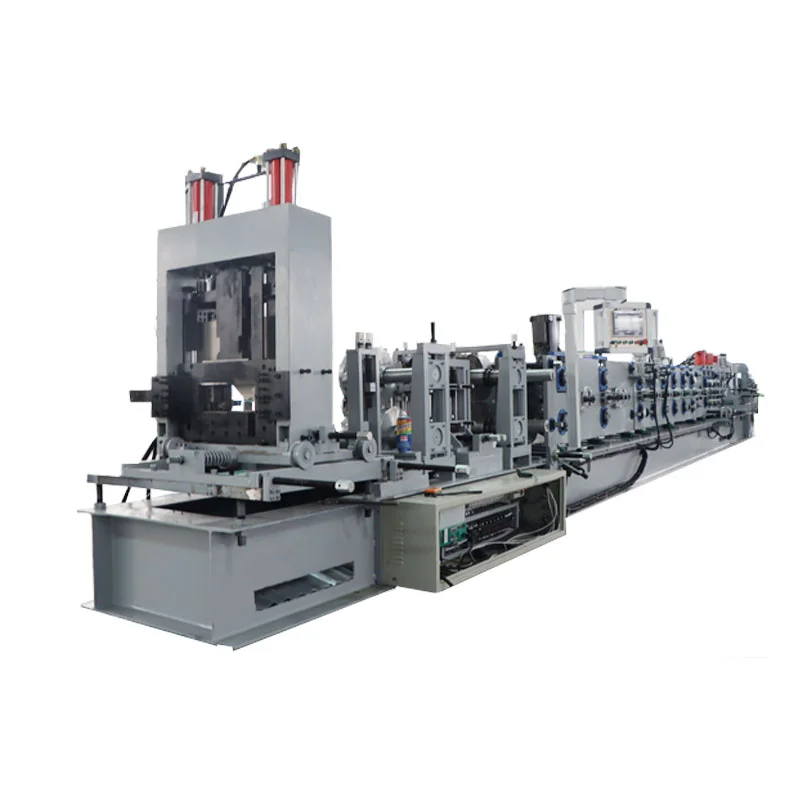
A roofing sheet making machine is a specialized piece of industrial equipment designed to transform flat metal coils into profiled sheets or structural sections through a series of consecutive rollers. This process, known as cold roll forming, bends the metal incrementally without applying heat, which preserves the structural integrity and the protective coating of the galvanized or pre-painted steel.
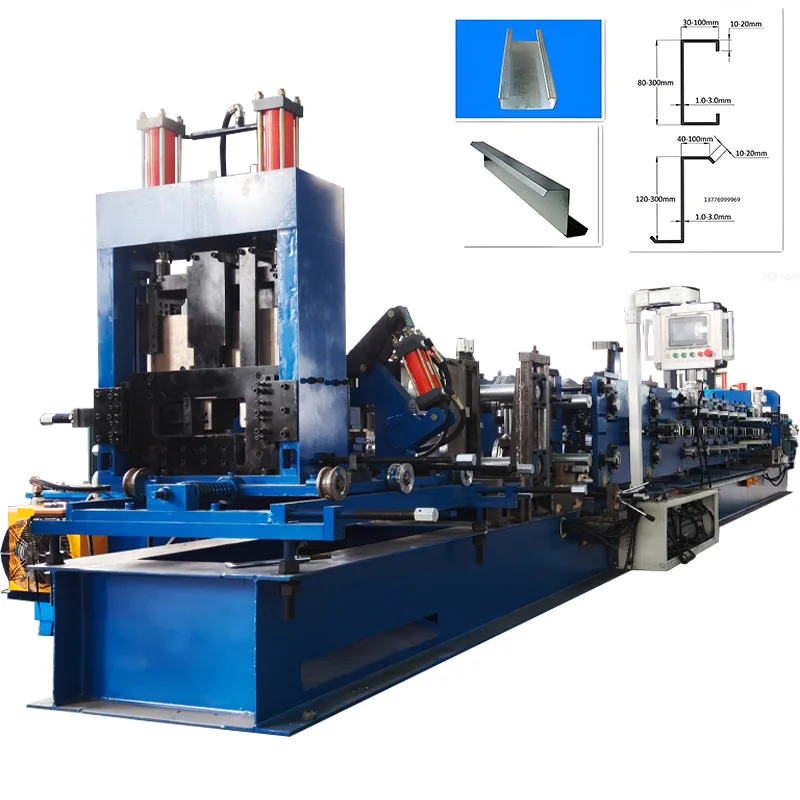
In the broader context of the industry, these machines are not just about creating roof covers but extend to producing critical framing components like CD, UD, UW, and CW studs. By utilizing a sequence of precision-engineered rollers, the machine ensures that every linear meter of the product is identical, which is essential for the seamless assembly of drywall frames and industrial cladding.
Beyond mere production, these machines address the humanitarian need for fast, reliable shelter. By automating the creation of structural profiles, the industry can produce high-quality building materials at a fraction of the time and cost of traditional methods, enabling the rapid deployment of housing in developing urban centers or disaster-stricken areas.
Core Components for Production Efficiency
The efficiency of a roofing sheet making machine depends heavily on its automation level. A primary component is the automated feeding system, which ensures a steady flow of raw galvanized coils into the forming line, eliminating the bottlenecks often associated with manual loading.
Central to the operational success of the roofing sheet making machine is the PLC (Programmable Logic Controller) and servo motor system. These components allow for precise punching and accurate cutting lengths, ensuring that the produced steel studs and tracks meet exact specifications without the need for manual trimming.
Furthermore, the inclusion of a fully automatic change-size function is a game-changer for manufacturers. This allows the roofing sheet making machine to switch between different profile widths and heights rapidly, significantly reducing downtime and increasing the flexibility of the production line to meet diverse project demands.
Industrial Applications and Global Use Cases
The application of roll forming technology spans across various sectors, from residential office complexes to massive industrial warehouses and hospitals. In these environments, galvanized metal studs and tracks produced by a roofing sheet making machine are used to create the interior partitions and structural supports that define modern spatial design.
In remote industrial zones or post-disaster relief operations, the ability to produce standardized framing on-site or in nearby hubs is critical. The durability and corrosion resistance of the galvanized steel produced by these machines make them ideal for harsh climates, ensuring that the structural integrity of the buildings remains intact over several decades.
Production Efficiency Comparison of Roll Forming Methods
Long-Term Value and Sustainable Advantages
Investing in a high-quality roofing sheet making machine provides tangible long-term value through the reduction of operational costs. By automating the punching, cutting, and stacking processes, companies can significantly lower their labor expenditures while increasing their total hourly output.
From a sustainability perspective, cold roll forming is inherently more eco-friendly than traditional hot-rolling or casting methods. The process generates minimal scrap material, and since it uses galvanized and pre-painted steel, the end products are fully recyclable, aligning with global green building initiatives and reducing the environmental impact of the construction industry.
Future Trends in Automated Roll Forming
The future of the roofing sheet making machine lies in the deep integration of Industry 4.0 technologies. We are seeing a move toward "smart factories" where machines are connected via IoT (Internet of Things), allowing managers to monitor production rates, material consumption, and machine health in real-time from a centralized dashboard.
Another emerging trend is the use of advanced high-strength alloys and new coating technologies that allow for thinner sheets without sacrificing structural load-bearing capacity. This will enable manufacturers to reduce the weight of building components, further lowering transportation costs and enhancing the energy efficiency of the overall construction process.
Moreover, the shift toward fully autonomous palletizing systems is reducing the final manual touchpoint in the production line. By integrating robotics with the roll forming process, the transition from raw coil to ready-to-ship pallet becomes a seamless, closed-loop system that maximizes warehouse space and minimizes handling damage.
Overcoming Manufacturing Challenges
One of the most common challenges in metal forming is maintaining dimensional consistency across thousands of units. To solve this, advanced servo-driven punching systems are replacing mechanical cams, allowing for micron-level precision in the placement of holes for fasteners, which is critical for the rapid assembly of drywall frames.
Another significant hurdle is the downtime associated with changing product specifications. The introduction of auto-interchange size functions allows the machine to adjust its roller positions electronically, eliminating hours of manual adjustment and ensuring that the transition between different stud sizes is both fast and error-free.
Finally, material waste during the startup phase can be a cost drain. Expertly engineered roll forming lines now include advanced tension control and leveling systems that ensure the steel coil enters the machine perfectly flat, reducing the "bowing" effect and minimizing the amount of scrap generated during the initial forming stage.
Comparative Analysis of Roll Forming Technical Specifications
| Machine Feature | Manual Adjustment | PLC Automated | Operational Impact |
|---|
| Size Transition | 4-8 Hours | 15-30 Minutes | Increased Flexibility |
| Cutting Precision | ± 2.0mm | ± 0.5mm | Perfect Assembly |
| Labor Requirement | High (3-5 persons) | Low (1-2 persons) | Reduced OPEX |
| Material Waste | ~5-7% | < 2% | Cost Savings |
| Production Speed | Low/Variable | High/Consistent | Faster Lead Times |
| Quality Control | Manual Inspection | Digital Feedback | Higher Reliability |
FAQS
The main advantages include extreme precision in profile dimensions and the ability to produce galvanized studs and tracks (CD, UD, UW, CW) automatically. This eliminates manual errors, drastically reduces labor costs, and ensures that every piece is perfectly consistent, which is essential for fast and reliable construction assembly in commercial and residential projects.
Yes, professional manufacturers like Botou Huayang provide fully customizable solutions. You can adjust the sheet width, thickness, profile height, and punching patterns to meet specific project requirements. Many high-end machines also feature an auto-change size function that allows for quick transitions between different specifications without manual adjustment.
These machines are primarily designed to handle galvanized steel coils, which offer excellent corrosion resistance. However, they are also compatible with pre-painted steel sheets, allowing manufacturers to produce color-coated profiles that provide both structural integrity and an aesthetic finish for various industrial and architectural applications.
The PLC system acts as the brain of the machine, synchronizing the feeding, punching, cutting, and palletizing processes. By using servo motors, the PLC ensures that cutting lengths and punching positions are accurate to the millimeter, which reduces material waste and ensures that the final products meet strict building codes and quality standards.
While not mandatory for small shops, an integrated auto-palletizer is crucial for high-volume production. It automatically stacks finished studs and tracks in an organized manner, significantly reducing the manual labor required for handling and optimizing warehouse storage space, which speeds up the logistics and shipping process.
Regular maintenance involves lubricating the roller bearings, checking the calibration of the servo motors, and ensuring the PLC software is updated. Because these machines are built for industrial use, they are designed for low maintenance, but consistent checks on the roller alignment prevent wear and tear, ensuring a long service life and consistent product quality.
Conclusion
The adoption of advanced roll forming technology, specifically through a high-efficiency roofing sheet making machine and drywall frame lines, represents a pivotal shift toward smarter, faster, and more sustainable construction. By integrating automation, PLC precision, and customizable profiles, manufacturers can now produce the essential structural components of modern buildings with unprecedented accuracy and minimal waste.
Looking forward, the synergy between Industry 4.0 and metal forming will continue to drive the industry toward greater autonomy and efficiency. For businesses aiming to lead in the competitive construction material market, investing in precision engineering and automated production is no longer an option but a necessity. Visit our website for more information: www.hyrollformingmachine.com