The global landscape of metal fabrication is evolving rapidly, with a growing emphasis on precision and automation to meet diverse industrial needs. In this context, the integration of advanced roll forming technology has revolutionized how we produce structural components, moving away from manual labor toward high-efficiency systems. Understanding the mechanics and applications of a flower box manufacturing machine allows producers to scale their operations while maintaining rigorous quality standards.
From urban landscaping projects to industrial-grade storage containers, the demand for durable, metal-formed products is at an all-time high. Manufacturers are increasingly seeking equipment that can handle various material thicknesses and profiles without compromising on structural integrity. The transition toward fully automated production lines ensures that output is consistent, waste is minimized, and delivery timelines are shortened.
By leveraging the capabilities of a flower box manufacturing machine, businesses can achieve a competitive edge through superior precision and reduced operational costs. Whether producing agricultural storage sheets or architectural metalwork, the right machinery transforms raw galvanized steel into high-value finished products with minimal human intervention.

Global Relevance of Roll Forming Technology
In the current global industrial climate, the need for sustainable and durable metal infrastructure is paramount. According to ISO standards for metal fabrication, precision in cold roll forming is critical to ensure the longevity of structures exposed to harsh environments. The adoption of automated systems has allowed manufacturers to move beyond traditional manual bending, enabling the production of complex profiles that were previously too costly or time-consuming to create.
This shift is particularly evident in agricultural and urban development sectors, where high-capacity storage and aesthetic metal components are required. By utilizing a specialized flower box manufacturing machine, companies can ensure that every panel produced meets exact specifications, reducing the failure rate during on-site assembly and significantly lowering the total cost of ownership for the end-user.
Defining the Flower Box Manufacturing Machine
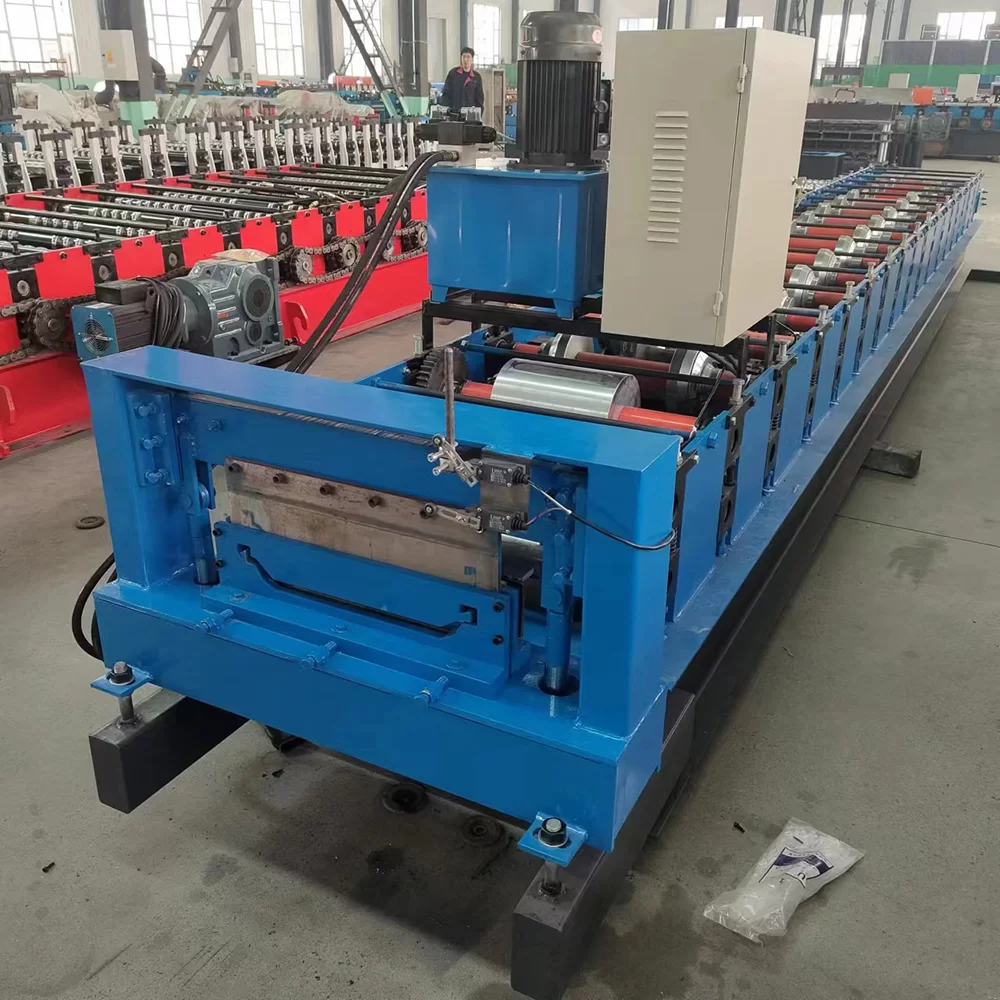
A flower box manufacturing machine is a specialized piece of industrial equipment designed to transform flat metal coils—typically galvanized steel or stainless steel—into specific profiles through a series of continuous rollers. Unlike traditional stamping, this process gradually shapes the material, which preserves the structural integrity of the metal and prevents surface deformation, making it ideal for items that require both strength and aesthetic appeal.
In the broader industrial context, these machines are essential for creating modular metal components. Whether the goal is to produce architectural planters or high-strength silo panels, the core technology relies on the precise alignment of forming stations. This ensures that the finished product has consistent dimensions across thousands of units, which is a critical requirement for modern construction and industrial storage.
The connection to modern humanitarian and industrial needs is clear: the ability to quickly produce durable, corrosion-resistant metal containers supports everything from urban food security initiatives (via city gardening) to large-scale grain storage in developing regions. Efficiency in production directly translates to more affordable and accessible infrastructure globally.
Core Components of High-Precision Systems
The efficiency of a flower box manufacturing machine depends heavily on its integration of several key modules. The process begins with the decoiler, which feeds the metal coil into the system, followed by a leveling unit that removes any tension or curvature from the raw material. This preparation is vital because any imperfection in the flat sheet would lead to deviations in the final formed profile.
Central to the operation is the PLC control system, which acts as the brain of the flower box manufacturing machine. This system allows operators to input precise parameters for length, punching positions, and speed. By automating the synchronization between the feeding mechanism and the cutting blade, the machine eliminates human error and ensures that every piece is identical to the last.
Durability is further enhanced by the use of chrome-coated, heat-treated rollers. These components are engineered to withstand the immense pressure of cold forming without wearing down, which maintains the precision of the flower box manufacturing machine over years of continuous industrial operation. This focus on material science reduces the frequency of maintenance and extends the machine's lifecycle.
Industrial Applications and Global Use Cases
The versatility of roll forming technology allows it to be applied across various sectors. In the agricultural industry, these machines are adapted to create grain silo panels that must withstand extreme weather and heavy internal loads. In urban environments, the same fundamental technology is used to produce architectural metalwork and modular planters, blending industrial strength with modern design requirements.
From the vast agricultural plains of North America to the rapidly urbanizing cities of Southeast Asia, the demand for precise metal forming is universal. For instance, in large-scale industrial zones, these machines produce the essential structural supports and storage tanks that facilitate efficient supply chain management and food security.
Efficiency Comparison of Metal Forming Methods
Long-Term Value and Operational Advantages
Investing in a fully automated production line provides tangible long-term value through the drastic reduction of raw material waste. Precision cutting and feeding systems ensure that the amount of scrap metal is kept to an absolute minimum, which not only lowers production costs but also aligns with global sustainability goals by reducing industrial waste.
Beyond the financial metrics, there is a significant emotional and professional value in reliability. Operators can trust that the output will be consistent, which removes the stress of quality control failures and enhances the brand's reputation for excellence. This trust in the machinery allows businesses to take on larger, more complex international contracts with confidence.
Future Innovations in Metal Forming
The future of the flower box manufacturing machine lies in the integration of Industry 4.0 principles. We are seeing a shift toward "Smart Factories" where machines are connected via the IoT (Internet of Things), allowing for real-time monitoring of roller wear and automatic adjustments of the PLC parameters to compensate for material variations.
Sustainability is also driving innovation, with a move toward energy-efficient hydraulic systems and the use of recycled high-strength alloys. These advancements reduce the carbon footprint of the manufacturing process while maintaining the high structural standards required for industrial and agricultural storage.
Furthermore, the implementation of AI-driven predictive maintenance will soon eliminate unplanned downtime. By analyzing vibration and heat patterns in the transmission system, the machine can alert operators to a potential failure before it occurs, ensuring a seamless production flow and maximizing the return on investment.
Overcoming Challenges in Machine Maintenance
One of the primary challenges in maintaining a flower box manufacturing machine is the accumulation of metal dust and debris within the rolling stations. If left unmanaged, this can lead to surface scratches on the final product and premature wear of the rollers. The solution lies in the implementation of a rigorous scheduled cleaning and lubrication protocol.
Another common limitation is the rigidity of traditional profiles. To overcome this, modern manufacturers are adopting modular roller designs that allow for quick changeovers between different panel shapes. This flexibility enables a single production line to serve multiple market segments without requiring entirely new equipment.
Finally, technical skill gaps in operating complex CNC systems can hinder productivity. The solution is a combination of comprehensive operator training and the development of intuitive user interfaces. By simplifying the interaction between the human and the machine, manufacturers can ensure peak performance regardless of the operator's experience level.
Comparative Analysis of Roll Forming Maintenance and Performance
| Maintenance Dimension | Standard System | Automated System | Performance Impact |
|---|
| Roller Wear Rate | Moderate | Low (Chrome Plated) | High Precision |
| Calibration Frequency | Weekly | Monthly (PLC Auto) | Consistency |
| Energy Consumption | High | Optimized / Low | Cost Reduction |
| Setup Time | 4-6 Hours | 30-60 Minutes | Agility |
| Material Waste | 5-8% | < 2% | Sustainability |
| Labor Requirement | 3-5 Workers | 1-2 Operators | Labor Efficiency |
FAQS
Most high-quality machines are designed to process galvanized steel, stainless steel, and coated metal coils. The specific thickness the machine can handle depends on the roller configuration, but they are generally optimized for materials ranging from 1mm up to 4.2mm, ensuring the final product is durable enough for industrial or outdoor use while remaining cost-effective.
Automation replaces manual measurements and adjustments with a PLC control system and servo motors. This ensures that the feeding, punching, and cutting occur at exact intervals and positions. By removing human variability, the machine maintains a tolerance of fractions of a millimeter, which is essential for the seamless assembly of silo panels or modular boxes.
Yes, professional manufacturers like Botou Huayang can customize the machine based on technical drawings. By adjusting the design of the roll forming stations, the machine can produce different widths, heights, and cross-sectional profiles to meet specific project requirements or local market standards.
While the heavy-duty frames are designed for continuous operation, rollers should be inspected for wear and lubricated regularly—typically on a weekly or monthly basis depending on production volume. Using chrome-plated rollers significantly extends the time between major overhauls and ensures a smooth surface finish on the metal sheets.
Absolutely. Modern fully automatic lines integrate decoiling, leveling, punching, forming, and cutting into a single continuous process. This eliminates the need for secondary processing, such as drilling holes manually, which drastically reduces production time and prevents errors in bolt-hole alignment.
With proper maintenance and the use of high-strength components, these machines are built for long-term industrial use, often lasting 10-20 years. The key to longevity is the quality of the heat treatment applied to the shafts and rollers, which prevents deformation under the pressure of thousands of production cycles.
Conclusion
The adoption of a flower box manufacturing machine represents a strategic shift toward precision, efficiency, and sustainability in metal fabrication. By integrating fully automated workflows—from decoiling and punching to precise roll forming and cutting—manufacturers can produce high-quality, durable panels that meet the rigorous demands of the agricultural and architectural sectors. The combination of PLC-driven accuracy and heavy-duty engineering ensures that production costs are minimized while product quality is maximized.
Looking forward, the integration of smart technology and eco-friendly materials will continue to redefine the industry. For businesses aiming to scale their operations and compete in a global market, investing in advanced roll forming equipment is no longer an option but a necessity for long-term growth. We invite you to explore how our tailored machinery solutions can transform your production capabilities. Visit our website: www.hyrollformingmachine.com