



Maximizing Construction Efficiency with a Floor Deck Roll Forming Machine
In the realm of modern architecture, the demand for structural integrity and rapid installation has made galvanized metal floor decking a primary choice for industrial and commercial projects. To achieve the precision required for these components, manufacturers rely on a high-performance floor deck roll forming machine. These advanced systems transform raw steel coils into durable, load-bearing panels that serve as the foundation for concrete slabs. By integrating CNC precision and automated workflows, these machines ensure that every panel meets rigorous safety standards while minimizing material waste. In this guide, we explore how professional roll forming solutions optimize production and enhance building safety.

Precision Engineering for Galvanized Metal Panels
Precision is the heartbeat of any floor deck roll forming machine. Using CNC-machined rollers, the equipment gradually shapes galvanized steel to maintain extremely tight tolerances. This process is critical because even a slight deviation in the rib profile can compromise the load-bearing capacity of the entire floor system. High-quality machines utilize polished rollers to prevent scratches on the galvanized coating, ensuring that the finished panels remain corrosion-resistant. By optimizing pressure distribution across forming stations, the machinery prevents material deformation, resulting in panels that are ready for immediate installation on construction sites.
Technical Insight: The use of hardened steel rollers and precision alignment minimizes the risk of "spring-back," ensuring the final panel geometry perfectly matches the architectural blueprints.
High-Efficiency Production Lines for Floor Decking
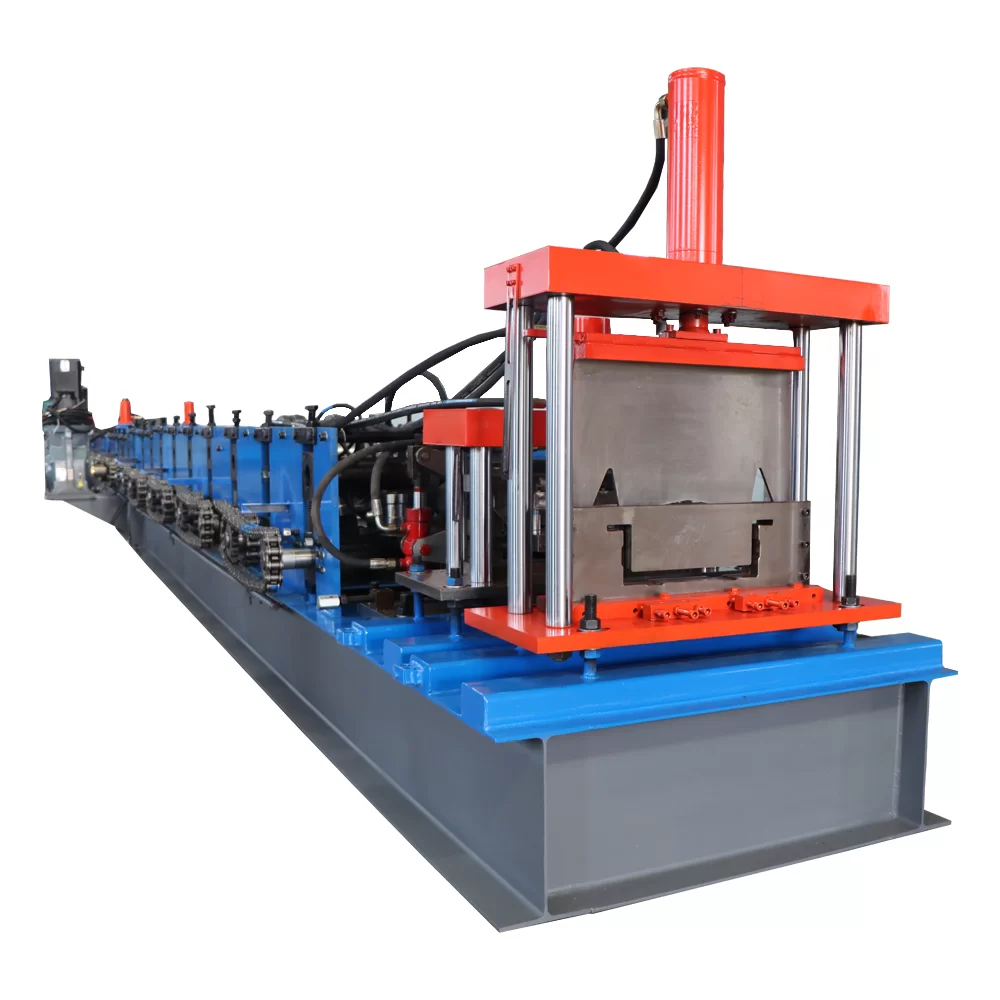
To meet the rapid pace of urban development, high-efficiency production lines are essential. A fully integrated floor deck roll forming machine line combines decoiling, leveling, punching, and cutting into one continuous workflow. This integration eliminates the need for secondary manual operations, drastically reducing labor costs and production lead times. Servo-controlled feeding systems ensure that the material positioning is accurate to the millimeter, while hydraulic flying cut-off systems allow the line to keep moving without stopping, maximizing the daily output of finished decking panels.

Comparing Manual Fabrication vs. Automatic Floor Deck Roll Forming Machine
When evaluating production methods, the transition from traditional fabrication to an automated floor deck roll forming machine represents a significant leap in profitability and quality. Automated systems provide a level of consistency that is impossible to achieve manually, especially when producing high volumes of ribbed profiles for large-scale industrial warehouses. The reduction in material waste alone often justifies the investment in roll forming technology.
Customizable Solutions for Diverse Flooring Needs
No two construction projects are identical, which is why a customizable floor deck roll forming machine is a strategic asset. Manufacturers can tailor the machine to produce various rib heights, panel widths, and steel thicknesses. Whether the project requires standard flat decks for residential use or high-profile ribbed panels for heavy-duty industrial flooring, modular forming units allow for quick adjustments. This versatility ensures that producers can switch between different profiles without extensive downtime, meeting a wide array of client specifications within a single production facility.
Technical Specifications of the Floor Deck Roll Forming Machine
Understanding the technical capabilities of the equipment is vital for ensuring the produced panels can handle the intended loads. A professional-grade floor deck roll forming machine is built with reinforced frames and high-torque drives to handle heavy-gauge galvanized steel. The integration of PLC touchscreens allows operators to program precise lengths and cutting intervals, ensuring batch-to-batch consistency. Below are the typical specifications found in high-end industrial models:
Ensuring Long-Term Reliability and Scalability
Investing in a floor deck roll forming machine is not just about the initial purchase, but about long-term operational stability. High-quality machines are engineered with hardened rollers and reinforced chassis to withstand continuous 24/7 production cycles. Furthermore, scalability is a key advantage; as a business grows, production lines can be upgraded with additional forming stations or enhanced automation modules without replacing the entire system. This allows manufacturers to expand their capacity and adopt new decking profiles as architectural trends evolve.
Conclusion: Elevating Production with Advanced Roll Forming
The implementation of a professional floor deck roll forming machine is the most effective way for manufacturers to balance speed, precision, and cost. By automating the production of galvanized metal floor decking, businesses can ensure superior structural integrity for their clients while maximizing their own profit margins. Whether focusing on high-volume industrial supply or specialized custom profiles, the right roll forming technology provides the foundation for sustainable growth and operational excellence in the metal fabrication industry.
Frequently Asked Questions (FAQs)
What are the main advantages of using a floor deck roll forming machine over press braking?
The primary advantage is speed and consistency. While a press brake shapes metal in discrete steps, a floor deck roll forming machine creates the profile continuously. This results in much higher production volumes and eliminates the human error associated with repeated manual bends. Additionally, roll forming is significantly more material-efficient, reducing scrap and lowering the overall cost per panel.
Can these machines handle different thicknesses of galvanized steel?
Yes, most industrial roll forming machines are designed to handle a range of thicknesses. However, the specific roller configuration is usually optimized for a certain range (e.g., 0.5mm to 2.0mm). For manufacturers who need to produce panels across vastly different gauges, customizable modular stations can be integrated, allowing the machine to be adjusted or reconfigured to maintain precision across various material thicknesses.
How is the quality of the galvanized coating protected during roll forming?
Quality protection is achieved through the use of precision-polished rollers and optimized pressure settings. By ensuring the rollers are perfectly aligned and the surface finish is smooth, the floor deck roll forming machine prevents scratches and abrasions that could expose the raw steel to oxidation. Regular maintenance of the rollers ensures that the protective zinc coating remains intact throughout the forming process.
What automation features are typically included in modern roll forming lines?
Modern lines typically include automatic decoilers, leveling devices to flatten the coil, PLC-controlled feeding systems for precise length measurement, and hydraulic cutting units. Many advanced systems also feature automated stacking tables that organize the finished panels for easy transport. These features work in synchronization to create a "hands-off" production environment, reducing the risk of accidents and increasing the total throughput of the facility.


-
 Oct 05,26
-
 Sep 29,26


