


Maximizing Production Efficiency with an IBR Roofing Sheet Making Machine
In the competitive landscape of modern construction, the demand for durable and high-strength roofing materials has never been higher. The ibr roofing sheet making machine has emerged as a critical piece of equipment for manufacturers aiming to produce high-quality Industrial Box Rib (IBR) profiles. These sheets are renowned for their exceptional load-bearing capacity and weather resistance, making them the go-to choice for industrial warehouses and residential roofing. Investing in the right machinery not only ensures product consistency but also significantly reduces waste and labor costs. In this guide, we will explore the technical advantages and industrial applications of this essential metal forming equipment.

Core Technical Features of IBR Roofing Systems
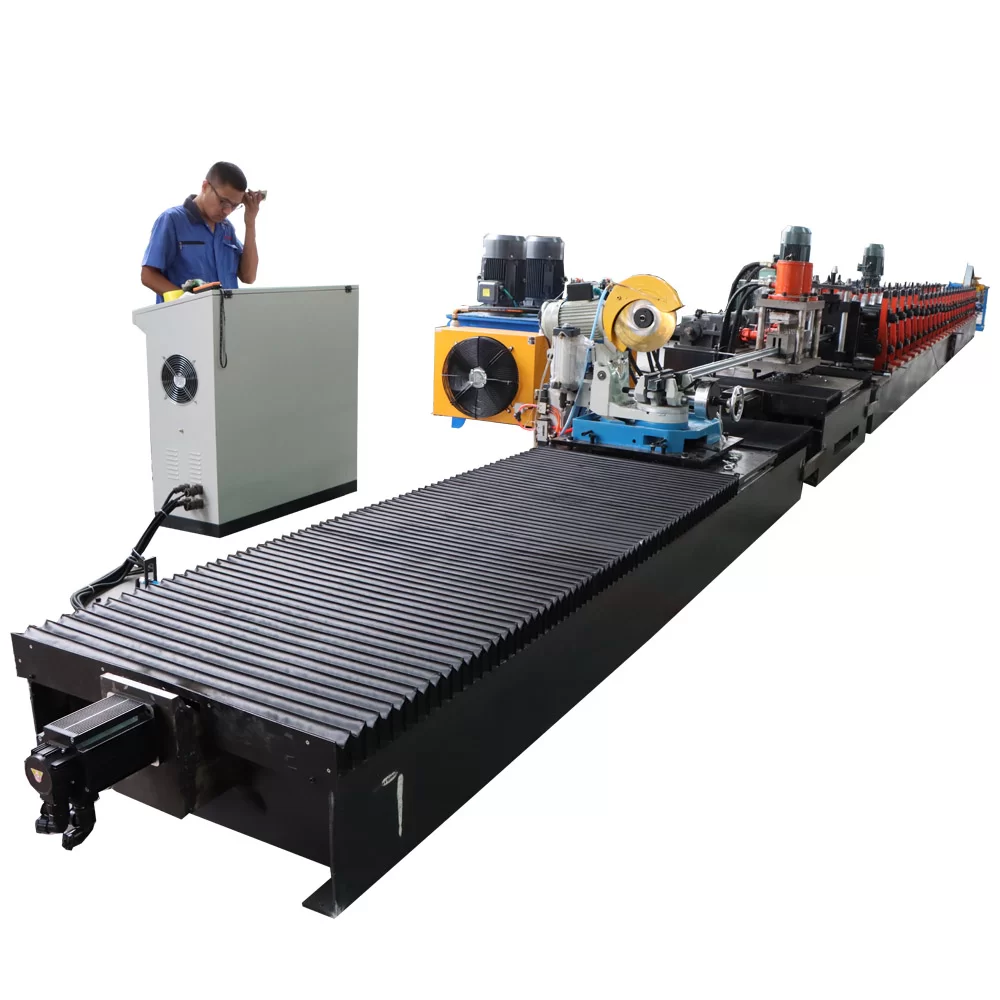
A professional ibr roofing sheet making machine is engineered for precision. It utilizes a series of reinforced rollers that gradually bend the galvanized steel or aluminum coil into the signature IBR profile. The primary goal is to create a rib structure that provides maximum stiffness while using the minimum amount of material. Most modern machines are equipped with high-strength alloy steel rollers that are heat-treated for wear resistance, ensuring that the profile remains consistent even after millions of meters of production. Furthermore, the integration of advanced PLC systems allows for precise length control and automated cutting, which eliminates human error during the fabrication process.
Technical Highlight: The use of Cold Roll Forming (CRF) technology ensures that the material's structural integrity is maintained without the thermal stress associated with hot pressing, resulting in a stronger final roof panel.
Optimizing Output with an IBR Roofing Sheet Making Machine
To achieve maximum ROI, manufacturers must focus on the synergy between raw material quality and machine precision. The ibr roofing sheet making machine is designed to handle various thicknesses of galvanized steel, typically ranging from 0.3mm to 1.2mm. By optimizing the forming speed and the tension of the decoiler, operators can prevent surface scratches and edge waviness. High-efficiency machines now feature hydraulic post-cutting systems, which allow the machine to keep rolling while the cutting head operates independently, drastically increasing the hourly output of finished sheets.
Comparative Analysis: IBR Machine vs. Traditional Pressing
When comparing the roll forming process of an ibr roofing sheet making machine to traditional stamping or pressing, the advantages in efficiency and material usage are clear. Roll forming is a continuous process, meaning there is virtually no scrap material generated between panels. In contrast, pressing requires blanking, which leads to significant waste. Moreover, roll forming provides a more uniform strength distribution across the length of the sheet, which is critical for roofing applications that must withstand wind uplift and heavy rain.
Industrial Applications of IBR Roofing Profiles
The output of an ibr roofing sheet making machine is incredibly versatile. Beyond standard residential roofs, IBR profiles are widely used in the construction of industrial sheds, aircraft hangars, and livestock housing. The "box" shape of the rib provides superior stiffness, allowing for wider spans between purlins, which reduces the overall amount of steel needed for the building's support structure. Additionally, the precise interlocking edges produced by high-end machines ensure a watertight seal, preventing leaks in high-rainfall regions.


Technical Specifications for IBR Machine Selection
Choosing the right ibr roofing sheet making machine requires a deep understanding of your target product specifications. Factors such as the raw material width, the desired rib height, and the total production volume per day dictate the machine's motor power and roller configuration. A high-performance machine should offer a balance between speed and precision to avoid material deformation. Below is a standard specification table for a medium-to-heavy duty industrial unit:
Maintenance and Longevity of Roll Forming Equipment
To ensure that your ibr roofing sheet making machine operates at peak performance for years, a rigorous maintenance schedule is essential. Regular lubrication of the bearings and gears prevents friction-induced wear, while periodic calibration of the rollers ensures that the profile dimensions remain within tolerance. Operators should also inspect the cutting blades for dullness, as blunt blades can leave jagged edges on the roofing sheets, compromising the quality of the final installation. By adhering to these professional maintenance standards, companies can minimize downtime and maximize their production capacity.
Conclusion: Scaling Your Business with IBR Technology
The adoption of a high-precision ibr roofing sheet making machine is a strategic move for any metal fabrication business. By combining advanced PLC automation, durable material engineering, and the inherent efficiency of the roll forming process, manufacturers can deliver superior roofing solutions to their clients while optimizing their internal costs. Whether you are targeting the industrial construction market or residential roofing, investing in quality machinery is the key to long-term competitiveness and growth in the global steel market.
Frequently Asked Questions (FAQs)
What materials can be processed by an IBR roofing sheet making machine?
Most IBR machines are designed to work with galvanized steel, galvalume, and prepainted color-coated steel coils. Some specialized machines can also process aluminum or other light alloys. The choice of material depends on the intended application of the roof; for instance, prepainted steel is preferred for aesthetic residential projects, while heavy galvanized steel is used for industrial warehouses due to its superior corrosion resistance. It is important to ensure the material thickness is compatible with the roller gap settings of your specific machine.
How does the PLC system improve the production of IBR sheets?
The Programmable Logic Controller (PLC) acts as the brain of the ibr roofing sheet making machine. It allows the operator to input precise length requirements for each sheet, which the machine then executes automatically. The PLC synchronizes the rolling speed with the cutting mechanism, ensuring that every cut is accurate to within millimeters. This eliminates the need for manual measurement and cutting, which drastically increases speed and reduces material waste, making the entire production line more lean and efficient.
Can the IBR profile be customized for different project needs?
Yes, customization is one of the biggest advantages of working with professional manufacturers. While there are standard IBR profiles, the roller configuration can be adjusted to change the rib height, width, or the overall width of the panel to meet specific engineering standards or customer requests. At the design stage, you can provide custom drawings, and the machine will be engineered with specific rollers to produce that exact profile. This flexibility allows manufacturers to offer bespoke solutions for specialized architectural projects.
What is the typical lifespan of a roll forming machine?
With proper maintenance, a high-quality IBR roofing machine can last for 10 to 20 years. The most critical components are the rollers and the transmission gears. Because the rollers are made from hardened alloy steel, they are designed to withstand immense pressure. However, wear and tear are inevitable. Regular lubrication and the periodic replacement of cutting blades and worn-out bearings are necessary to maintain the machine's original precision. Investing in a machine built with high-grade industrial materials ensures a much longer service life and lower long-term operational costs.


-
 Oct 05,26
-
 Sep 29,26


