


The Ultimate Guide to the Iron Sheet Crimping Machine for Modern Metalworking
In the rapidly evolving landscape of industrial manufacturing, precision and efficiency are the cornerstones of success. The iron sheet crimping machine has emerged as a critical tool for businesses specializing in metal forming and structural components. Whether it is for creating reinforced floor decking or complex industrial panels, this machinery ensures that materials are shaped with absolute accuracy. By automating the crimping and forming process, manufacturers can achieve a level of consistency that manual labor simply cannot match. This guide explores the technical capabilities, industrial applications, and strategic advantages of integrating high-performance crimping technology into your production line.

Core Engineering Features of an Iron Sheet Crimping Machine
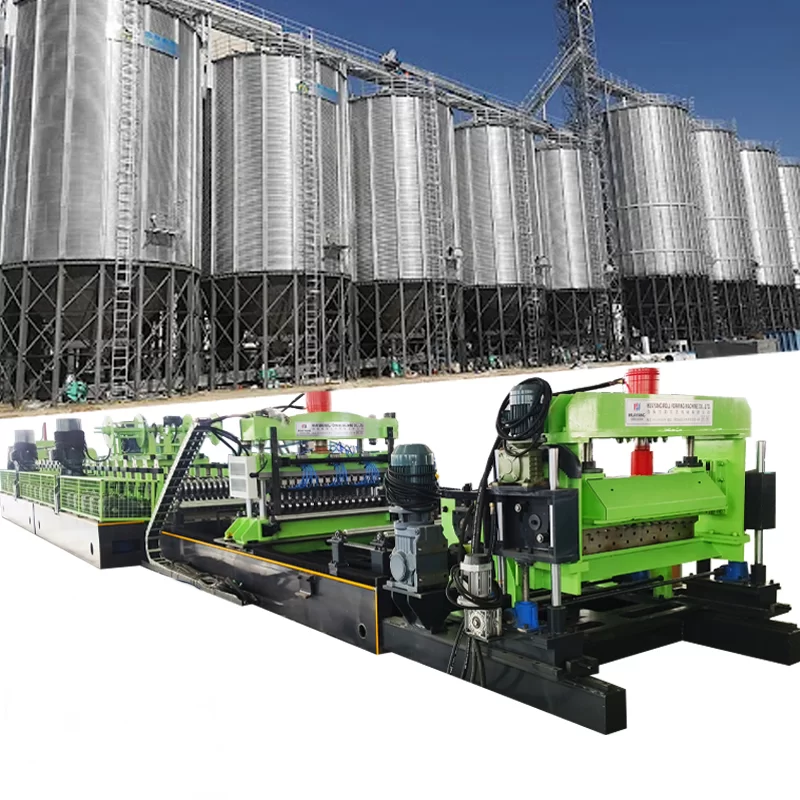
A professional-grade iron sheet crimping machine is defined by its high-precision forming system. Utilizing a series of engineered rollers, the machine gradually shapes galvanized steel or iron coils into specific profiles. This gradual deformation prevents material stress and ensures that the final product maintains its structural integrity. Most modern units are equipped with advanced PLC control systems, allowing operators to digitally manage sheet length, production quantity, and cutting precision. This level of automation not only reduces the margin of human error but also significantly accelerates the production cycle, making it an ideal solution for high-volume industrial demands.
Technical Highlight: The integration of high-strength alloy rollers and a robust chassis ensures that the machine can handle heavy-gauge galvanized steel while maintaining a low maintenance profile and an extended service life.
Versatile Applications of Iron Sheet Crimping Machine Technology
The utility of the iron sheet crimping machine spans across multiple construction and industrial sectors. In high-rise building projects, these machines produce the essential steel decking used as permanent formwork for concrete slabs. In industrial settings, such as warehouses and logistics centers, the produced sheets provide the necessary load-bearing capacity for heavy-duty flooring. Furthermore, the shift toward prefabricated and modular construction has increased the demand for standardized, machine-crimped profiles that can be assembled quickly on-site, reducing overall project timelines and labor costs.

Performance Comparison: Automated vs. Manual Crimping
When evaluating the investment in an iron sheet crimping machine, it is essential to compare the output against traditional manual methods. Automated systems provide a level of dimensional accuracy that is impossible to achieve by hand. Moreover, the reduction in material waste due to precision cutting and forming directly translates into higher profit margins. The following table highlights the stark differences in production metrics between the two approaches.
Strategic Advantages of High-Precision Metal Forming
Investing in a top-tier iron sheet crimping machine provides more than just speed; it offers a strategic competitive edge. Energy efficiency is a major factor, as modern machines are designed to maximize output while minimizing power consumption. Furthermore, the ability to customize profiles based on specific architectural drawings allows manufacturers to cater to niche markets and high-end structural projects. This versatility ensures that the business can adapt to changing construction standards and customer requirements without needing to replace the entire production line.
Business Benefits:
• Reduced operational costs through lower labor dependence
• Enhanced product reliability for structural safety compliance
• Ability to scale production rapidly for large-scale contracts
• Sustainable production through reduced raw material waste
Technical Specifications for Iron Sheet Crimping Machine Models
To choose the right equipment, one must understand the technical parameters that govern performance. A high-quality iron sheet crimping machine is built to handle various material thicknesses and widths. The following specifications represent the industry standard for a professional-grade roll forming and crimping system, ensuring stability under high workloads.
Conclusion: Optimizing Production with Iron Sheet Crimping Machines
The adoption of an iron sheet crimping machine is a transformative step for any metal processing facility. By combining precision engineering, automated control, and durable construction, these machines enable manufacturers to produce high-strength decking and profiles that meet the most stringent international standards. As the construction industry continues to prioritize efficiency and sustainability, investing in advanced roll forming technology is no longer optional—it is a necessity for those aiming to maintain a competitive edge in the global market.
Frequently Asked Questions (FAQs)
How does the iron sheet crimping machine ensure dimensional accuracy?
Accuracy is achieved through a multi-stage roll forming process. Instead of bending the metal in one single motion, the machine uses a series of rollers that gradually shape the iron sheet. This reduces internal tension in the material and prevents warping. Furthermore, the integration of a PLC system allows for micrometer-level adjustments to the rollers and precise synchronization of the cutting mechanism, ensuring every piece is identical to the blueprint.
What materials are most suitable for use with this machine?
The machine is primarily designed for galvanized steel, carbon steel, and cold-rolled iron sheets. Galvanized steel is particularly popular due to its corrosion resistance, which is vital for construction materials like floor decking. Depending on the roller material and machine power, it can also handle certain aluminum alloys. We recommend verifying the material gauge (thickness) with the manufacturer to ensure the rollers are optimized for the specific hardness and strength of your chosen metal.
Can the machine be customized for specific profile drawings?
Yes, customization is one of the primary strengths of professional roll forming equipment. By providing specific profile drawings, our engineering team can design a custom set of rollers that precisely match your requirements. This allows you to produce unique structural components that are tailored to specific project needs. From the width of the wave to the depth of the crimp, every detail can be adjusted to ensure the final product meets your exact industrial standards.
What maintenance is required for an iron sheet crimping machine?
To ensure long-term reliability, regular lubrication of the roller bearings and the transmission chain is essential. Operators should also conduct periodic inspections of the rollers for any wear or debris buildup that could affect the surface finish of the metal. Checking the hydraulic fluid levels for the cutting system and calibrating the PLC sensors every few months will prevent unexpected downtime. Following a strict maintenance schedule significantly extends the lifespan of the machine and maintains the quality of the output.


-
 Oct 05,26
-
 Sep 29,26


