



Revolutionizing Modern Construction with Steel Framing Machine Light Gauge
In the rapidly evolving landscape of modern architecture, the shift toward sustainable and efficient building methods has accelerated. The adoption of a steel framing machine light gauge has become a game-changer for contractors and developers worldwide. By utilizing cold-formed steel, builders can achieve unprecedented precision, speed, and structural integrity compared to traditional timber framing. Whether you are constructing residential villas or complex commercial hubs, understanding the capabilities of light gauge steel (LGS) technology is essential for staying competitive in today's market. We will explore how these machines streamline production and why they are the preferred choice for smart construction.

How a Steel Framing Machine Light Gauge Works
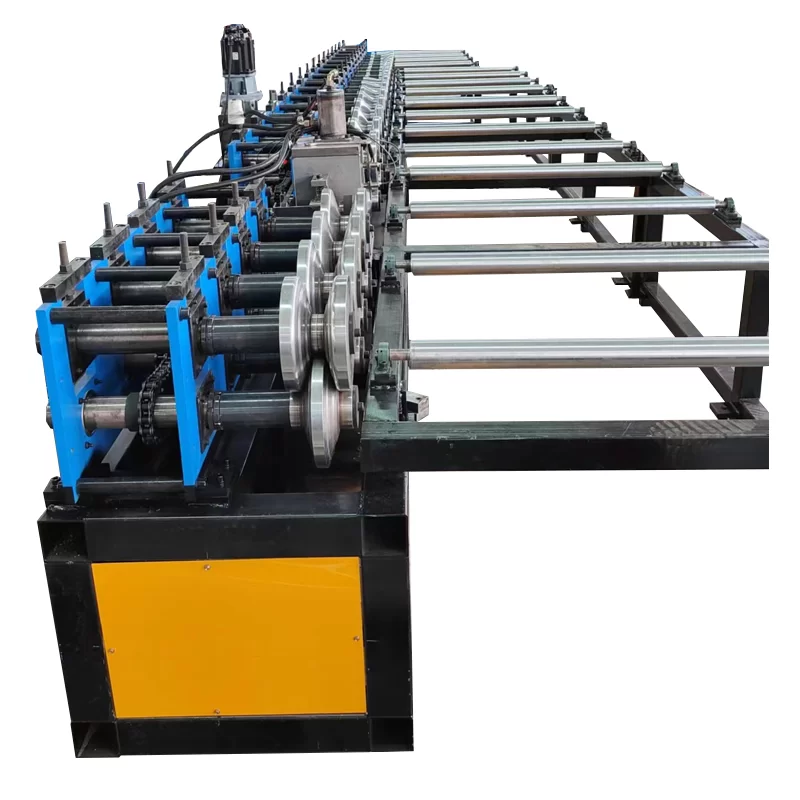
A steel framing machine light gauge operates through a sophisticated process of cold-roll forming. The machine takes high-strength galvanized steel coils and passes them through a series of rollers that gradually bend the metal into a specific C or U-shaped profile. What sets modern machines apart is the integration of CNC (Computer Numerical Control) technology. This allows the operator to upload architectural blueprints directly into the software, which then controls the precise cutting, punching, and marking of every single stud and track. This automation eliminates human error and ensures that every component fits perfectly on the construction site, significantly reducing waste and labor costs.
Industry Insight: The transition from manual measurement to CNC-driven automated roll forming has increased production efficiency by up to 70% in prefabricated housing plants.
Key Advantages of Light Gauge Steel Framing
Choosing a steel framing machine light gauge offers numerous advantages over traditional materials. Firstly, steel is inherently termite-proof and fire-resistant, providing a level of safety that wood cannot match. Secondly, the strength-to-weight ratio of LGS is exceptional, allowing for larger open spans and more flexible interior layouts. Additionally, because the steel is produced to exact specifications, the assembly process on-site becomes a simple "LEGO-like" experience. This precision not only speeds up the project timeline but also ensures that the building meets strict seismic and wind load standards, making it an ideal solution for regions prone to natural disasters.
Why Switch to LGS?
• Durability: No warping, rotting, or shrinking over time.
• Sustainability: Steel is 100% recyclable, reducing the carbon footprint.
• Speed: Prefabricated components cut construction time by half.
• Precision: CNC accuracy within +/- 0.5mm.
Comparing Steel Framing Machine Light Gauge vs. Traditional Timber
When evaluating the investment in a steel framing machine light gauge, it is helpful to compare the output with traditional timber framing. While timber has been the standard for centuries, it is susceptible to environmental degradation and inconsistency. Light gauge steel provides a standardized industrial product that removes the variability of natural wood. The following table highlights the critical differences in performance, maintenance, and installation speed, demonstrating why the industry is pivoting toward automated steel solutions.
Applications of the Steel Framing Machine Light Gauge
The versatility of a steel framing machine light gauge allows it to serve a multitude of sectors. In residential housing, it is used for wall studs, floor joists, and roof trusses. In commercial settings, it is the gold standard for interior partitions and ceiling grids due to its ability to support heavy loads without bulky dimensions. Furthermore, the rise of "tiny houses" and modular pods has been fueled by this technology, as it allows for factory-controlled production that can be shipped and assembled anywhere. From affordable housing projects to luxury high-rises, the application range is virtually limitless.

Technical Specifications and Machine Capabilities
Investing in the right equipment requires a deep dive into the technical specifications. A high-quality steel framing machine light gauge must offer flexibility in material thickness and profile width to accommodate different regional building codes. Most professional-grade machines feature high-torque motors and reinforced chassis to ensure long-term stability under continuous production. Below are the typical specifications found in our industry-leading machinery:
Conclusion: The Future of Framing is Steel
The implementation of a steel framing machine light gauge is more than just an equipment upgrade; it is a strategic move toward industrialization in construction. By combining the strength of steel with the precision of CNC automation, builders can deliver safer, faster, and more sustainable structures. As the world demands more efficient housing solutions, LGS technology stands as the most viable path forward. Invest in quality machinery today to secure a more productive and profitable tomorrow.
Frequently Asked Questions (FAQs)
Is a steel framing machine light gauge difficult to operate?
Modern light gauge steel machines are designed with user-friendliness in mind. Thanks to intuitive PLC interfaces and CNC software, operators do not need to be expert engineers to run the production line. Most systems allow for "one-click" production once the design files are uploaded. However, initial training is recommended to master the software and ensure safety protocols are followed. Once the workflow is established, a single operator can manage a high volume of output with minimal manual intervention.
What materials are compatible with these machines?
The primary material used is galvanized steel, which is chosen for its excellent corrosion resistance and structural strength. Most steel framing machine light gauge systems can handle various grades of cold-rolled steel, including G300 to G550. The zinc coating on the galvanized steel ensures that the frames are protected from rust, making them suitable for both internal and external applications in various climates.
How does LGS affect the overall cost of a building project?
While the initial cost of the raw steel and the machinery may be higher than timber, the overall project cost is often lower. This is due to several factors: reduced labor hours through prefabrication, zero waste from precision cutting, and lower insurance premiums because of the fire-resistant nature of steel. Furthermore, the speed of assembly reduces the time a contractor needs to spend on-site, which significantly lowers overhead costs and allows for faster project turnover and revenue realization.
Can I customize the profiles produced by the machine?
Yes, most professional manufacturers offer customizable roller sets. Depending on your local building codes or specific architectural needs, you can order machines that produce different flange widths, lip lengths, and web heights. Whether you need a standard C-channel or a specialized track for heavy-duty load-bearing walls, the steel framing machine light gauge can be tailored to your specific production requirements.


-
 Oct 05,26
-
 Sep 29,26


