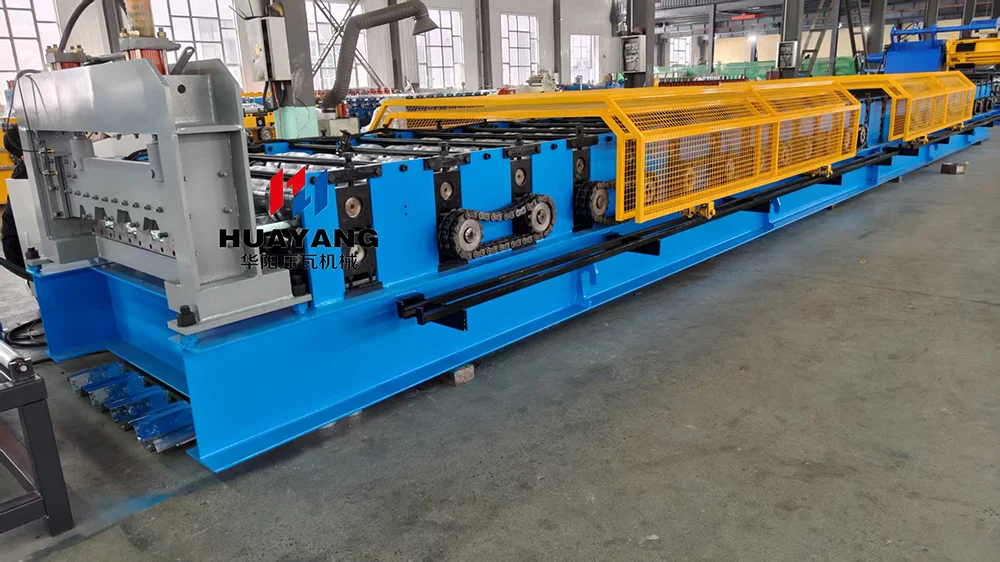
The global construction landscape is witnessing a paradigm shift toward industrialization, where the light gauge steel framing machine has emerged as a cornerstone of modern architectural efficiency. By transforming thin coils of galvanized steel into precise structural profiles, these machines allow developers to move away from the unpredictability of traditional timber and the excessive weight of heavy structural steel, offering a streamlined path to rapid urbanization.
Understanding the mechanics and strategic advantages of a light gauge steel framing machine is essential for any stakeholder looking to optimize build times and reduce material waste. As global housing demands surge and the cost of labor rises, the ability to manufacture high-strength, lightweight components in a controlled factory environment provides a competitive edge that is impossible to ignore in today's volatile market.
From sustainable residential complexes to complex industrial warehouses, the integration of high-precision roll forming technology ensures that every stud, track, and truss is engineered for maximum safety and minimal environmental impact. This comprehensive guide explores how the light gauge steel framing machine is redefining the boundaries of the metal construction industry globally.
Global Relevance of Light Gauge Steel Framing Technology
Across the globe, the push for sustainable urban development has placed the light gauge steel framing machine at the center of the construction revolution. According to trends aligned with ISO standards for structural steel, the shift toward "Cold-Formed Steel" (CFS) is driven by the urgent need for disaster-resilient housing and the volatility of traditional lumber prices. In regions like Southeast Asia and North America, the ability to rapidly deploy prefabricated frames has become a strategic necessity.
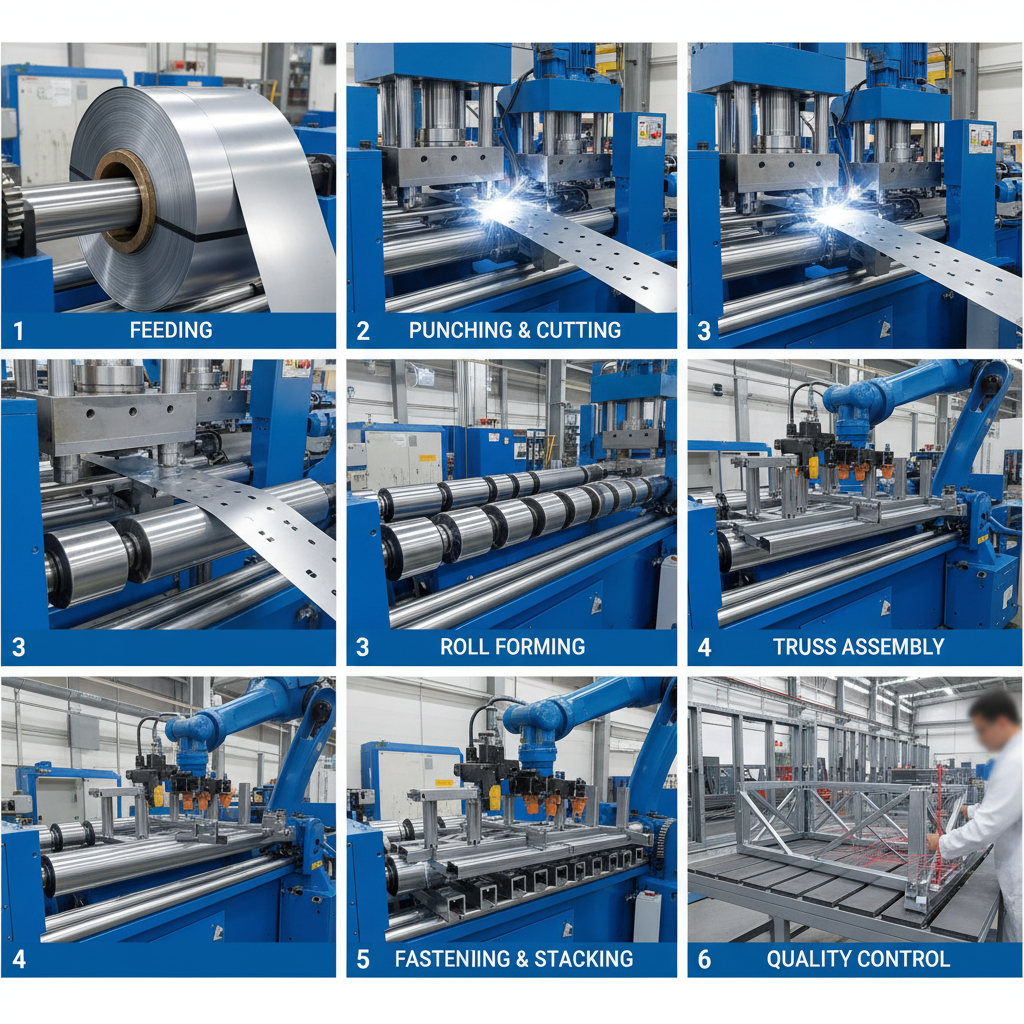
The primary challenge facing the industry has been the balance between structural integrity and speed of execution. Traditional building methods often suffer from human error and material degradation; however, the precision offered by a modern light gauge steel framing machine eliminates these variables. By automating the punching, cutting, and rolling processes, manufacturers can produce components that meet rigorous safety codes while significantly reducing the overall carbon footprint of the construction site.
Defining the Light Gauge Steel Framing Machine
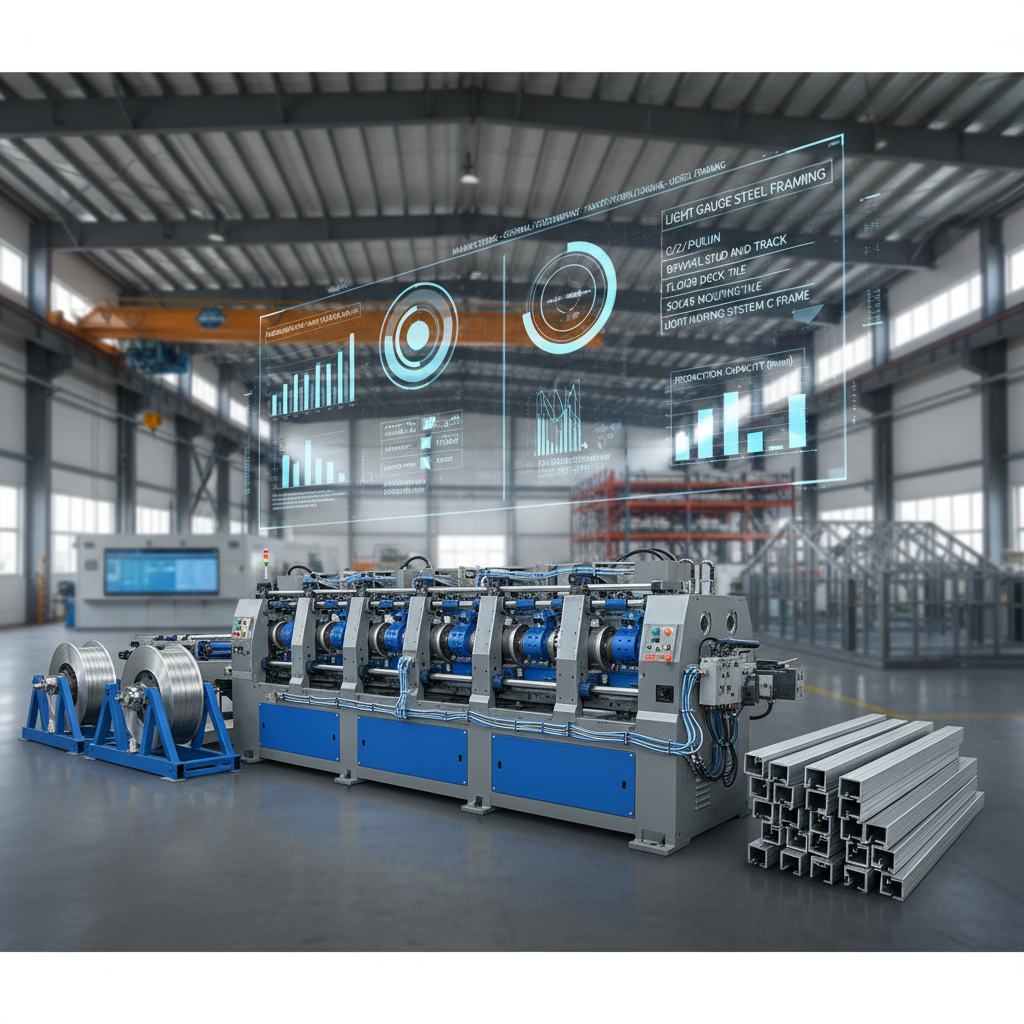
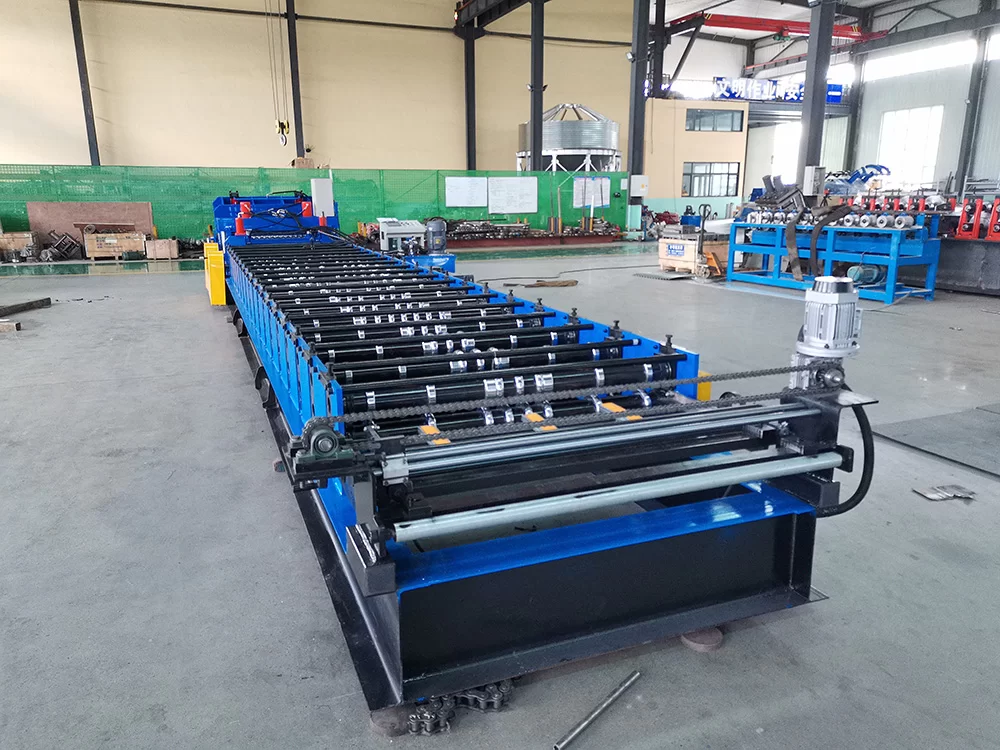
In simple technical terms, a light gauge steel framing machine is a specialized industrial roll-forming system designed to convert coils of thin-gauge galvanized steel (typically between 0.5mm and 3.0mm) into structural C-sections, U-channels, and complex truss profiles. Unlike heavy hot-rolled steel, these machines utilize cold-forming technology, which preserves the mechanical properties of the steel while allowing for intricate geometry and precise measurements.
Beyond the mechanical definition, these machines represent a bridge between digital architectural design and physical reality. Integrated with BIM (Building Information Modeling) software, the light gauge steel framing machine can translate a 3D blueprint directly into a set of uniquely cut and punched frames. This digitalization ensures that every piece fits perfectly, transforming the construction site into a simple assembly point rather than a fabrication zone.
From a humanitarian perspective, the impact is profound. In post-disaster relief operations or remote industrial zones, the capability to transport compact coils and form structural frames on-site—or deliver pre-formed kits—allows for the rapid creation of safe, dignified shelters and medical facilities. The machine is not just a piece of equipment; it is a tool for scalability and resilience in the face of global housing shortages.
Core Components and Performance Factors
The efficiency of a light gauge steel framing machine relies on several critical engineering factors. First is the Precision of the Rollers; high-grade alloy rollers ensure that the steel is bent without cracking or distorting, which is vital for maintaining the load-bearing capacity of the resulting frame.
Secondly, Automation Integration plays a pivotal role. A top-tier light gauge steel framing machine incorporates CNC control systems that synchronize the feeding, punching, and cutting speeds. This eliminates manual measurement errors and allows for the production of varied lengths and hole patterns within a single production run, maximizing throughput and minimizing scrap.
Finally, Material Versatility and Durability are key. The machine must be capable of handling various coatings, such as Galvalume or ZAM, without scratching the surface. The structural rigidity of the machine frame itself ensures that it can operate 24/7 in high-demand industrial environments without losing calibration, providing long-term reliability for the operator.
Practical Applications and Industry Use Cases
The versatility of the light gauge steel framing machine allows it to serve a wide array of sectors. In residential construction, it is primarily used for interior partition walls and roof trusses, where the high strength-to-weight ratio reduces the load on foundations. In the commercial sector, it enables the creation of massive warehouses and retail spaces that can be erected in a fraction of the time required for traditional concrete or heavy steel.
Real-world applications extend to specialized infrastructure. For instance, in the creation of solar mounting systems or modular data centers, the precision of the framing machine ensures that components can be interlocked with millimeter accuracy. In regions prone to seismic activity, light gauge steel is often preferred because its flexibility and lightness reduce the inertial forces acting on the building during an earthquake, enhancing occupant safety.
Performance Comparison of Light Gauge Steel Framing Methods
Long-Term Value and Sustainable Advantages
Investing in a light gauge steel framing machine offers immense logical and emotional value. Logically, the cost savings are evident in the reduction of waste—steel is 100% recyclable, and the precision of roll forming ensures that almost every centimeter of the coil is utilized. This drastically lowers material overheads compared to wood, where significant portions are discarded as offcuts.
Emotionally, the value lies in trust and safety. Knowing that a home or office is built with precision-engineered steel provides a sense of security against fire, termites, and rot. Furthermore, the transition to sustainable steel production supports a global movement toward "green building," allowing developers to achieve LEED certifications and contribute to a healthier planet for future generations.
Future Trends in Automated Steel Framing
The future of the light gauge steel framing machine is inextricably linked to the digital transformation of the construction industry. We are moving toward "Industry 4.0" where machines will not only follow blueprints but will use AI to optimize material usage and suggest structural reinforcements in real-time. Cloud-integrated systems will allow architects to send design updates directly to the machine on the factory floor from across the globe.
Another significant trend is the adoption of high-strength, low-alloy (HSLA) steels. These materials will allow the framing machine to produce even thinner profiles without sacrificing load-bearing capacity, further reducing the weight of buildings and the energy required for transport. This evolution is essential for the development of skyscrapers that are lighter and more flexible.
Finally, the integration of robotics for the assembly phase is the next frontier. While the framing machine creates the parts, robotic arms will soon handle the fastening and cladding, creating a fully automated "building factory." This will further compress construction timelines, turning months of on-site labor into days of precision assembly.
Overcoming Technical Challenges in Production
Despite the advantages, operators of a light gauge steel framing machine often face challenges such as material spring-back and tool wear. Spring-back occurs when the steel attempts to return to its original shape after being bent, which can lead to dimensional inaccuracies. Expert solutions involve the use of "over-bending" techniques and precision-engineered roller geometries that compensate for the elasticity of the metal.
Maintenance of the rolling dies is another critical hurdle. Constant friction between the steel coil and the rollers can lead to surface wear, affecting the quality of the profile. To overcome this, the industry is shifting toward tungsten carbide coatings and advanced lubrication systems that extend the lifespan of the rollers and ensure a smooth, burr-free finish on every piece of steel.
Integrating disparate software systems—from CAD to the CNC controller—can also be complex. The solution lies in adopting standardized data formats like IFC (Industry Foundation Classes), which allow for seamless communication between the designer's vision and the machine's execution. By focusing on these technical refinements, manufacturers can unlock the full potential of automated framing.
Technical Analysis of Light Gauge Steel Framing Machine Production Factors
| Challenge Factor |
Impact on Quality |
Expert Solution |
Efficiency Gain |
| Material Spring-back |
Dimensional Error |
Over-bending Calibration |
9/10 |
| Roller Wear & Tear |
Surface Roughness |
Tungsten Carbide Coating |
8/10 |
| Software Sync |
Input Errors |
BIM/IFC Integration |
10/10 |
| Coil Tensioning |
Material Warping |
Automatic Decoiler Control |
7/10 |
| Punching Accuracy |
Assembly Misalignment |
Servo-Driven Feeders |
9/10 |
| Energy Consumption |
High Operating Cost |
Variable Frequency Drives |
6/10 |
FAQS
While traditional roll forming creates long, continuous profiles, a light gauge steel framing machine is specifically designed for construction. It integrates precision punching and cutting systems that allow it to create individual studs and tracks with pre-calculated holes for electrical wiring and plumbing, essentially producing a ready-to-assemble kit rather than just a metal strip.
Yes, absolutely. By using cold-formed high-strength steel and precision geometries, light gauge steel framing can support significant loads. When engineered correctly using a high-quality framing machine, these structures often exceed the safety requirements of traditional wood framing and are highly resistant to environmental stressors like wind and seismic activity.
ROI is typically realized through three channels: drastic reduction in material waste (up to 15-20% compared to wood), significantly lower on-site labor costs due to pre-fabrication, and faster project completion times. Many firms recover their investment within 18-24 months depending on project volume and local labor rates.
Yes, most professional machines are designed for a range of thicknesses, typically from 0.5mm up to 3.0mm. By adjusting the roller gaps and applying the appropriate pressure, a single light gauge steel framing machine can produce thin wall studs for residential interiors and thicker, heavier-duty channels for industrial structural support.
Most modern machines use compatible software bridges. You export your design from CAD or BIM software into a format (like .DXF or .CSV) that the CNC controller can read. This ensures that every punch and cut performed by the light gauge steel framing machine matches your architectural blueprint exactly.
Yes, it is significantly more sustainable. Steel is one of the most recycled materials on earth. Furthermore, the precision of the framing machine reduces waste during production, and the resulting buildings are often more energy-efficient due to the ability to create consistent cavities for high-performance insulation.
Conclusion
The light gauge steel framing machine represents more than just an upgrade in machinery; it is the catalyst for a more efficient, sustainable, and safe way of building. By merging the precision of CNC automation with the inherent strength of cold-formed steel, these systems solve the age-old conflicts between speed, cost, and quality in construction. From the reduction of material waste to the empowerment of rapid housing deployment, the long-term value of this technology is undeniable.
Looking forward, the continued integration of AI and BIM will further elevate the industry, making "building as a product" the global standard. For developers and manufacturers, adopting these advanced roll-forming solutions is no longer an option but a necessity to remain competitive in a green-conscious economy. We invite you to explore the future of construction technology and optimize your production lines today. Visit our website: www.hyrollformingmachine.com