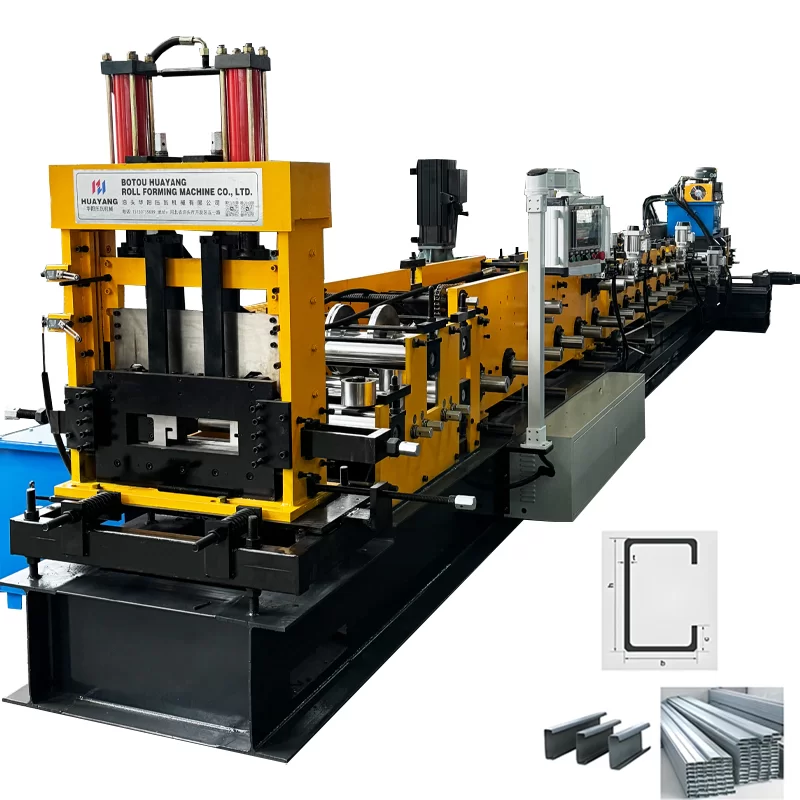
Advanced Engineering for spiral steel silo making machine in the USA

Advanced Engineering for spiral steel silo making machine in the USA

Advanced Engineering for spiral steel silo making machine in the USA

High-precision roll forming technology designed for the demanding agricultural and industrial storage needs of the North American market.

Current Landscape of Storage Infrastructure in the United States

Addressing the intersection of agricultural demand and manufacturing precision.

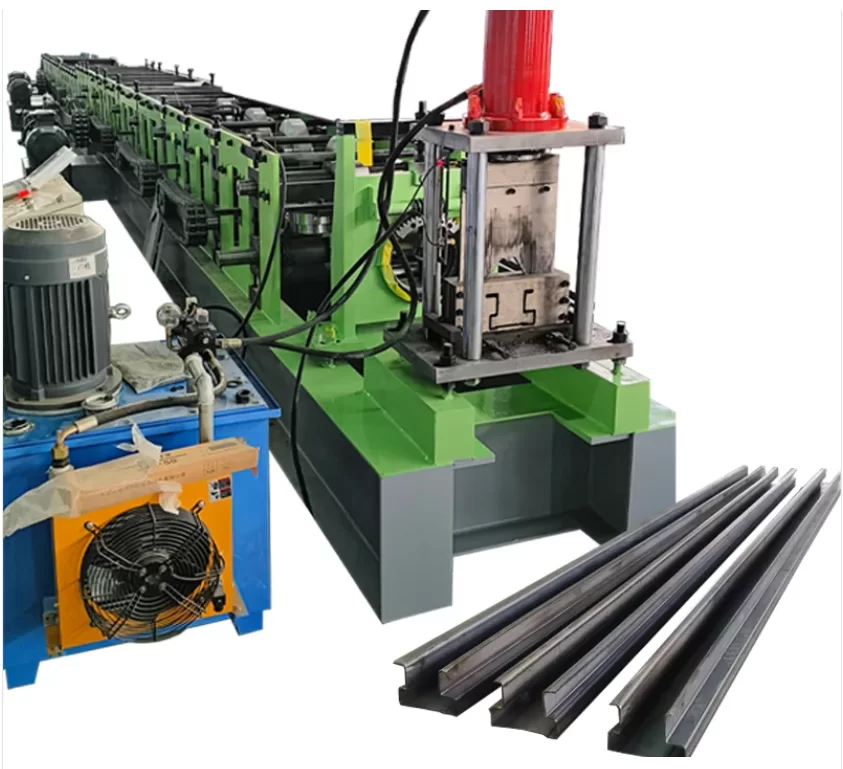
The United States agricultural sector faces increasing pressure to optimize grain storage and water management. In regions like the Midwest, the demand for a robust silo panel roll forming machine has surged as farmers move toward modular, scalable storage to mitigate crop loss during volatile weather cycles.

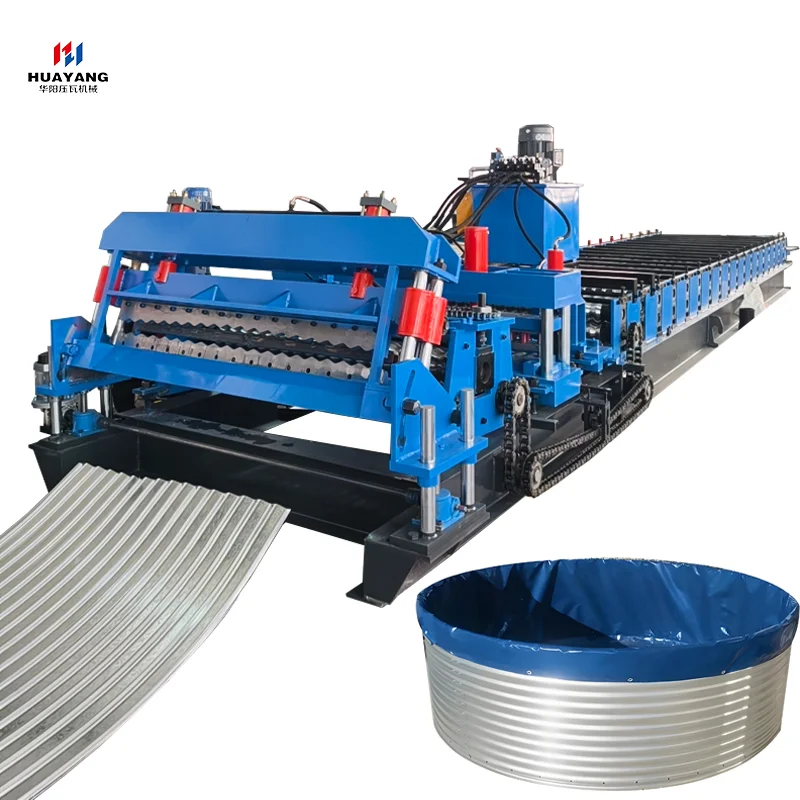
Environmental factors, particularly in the Sun Belt and drought-prone western states, have intensified the need for reliable water harvesting. This has led to a significant adoption of the water tank forming machine to create durable, large-capacity reservoirs that withstand extreme temperature fluctuations.

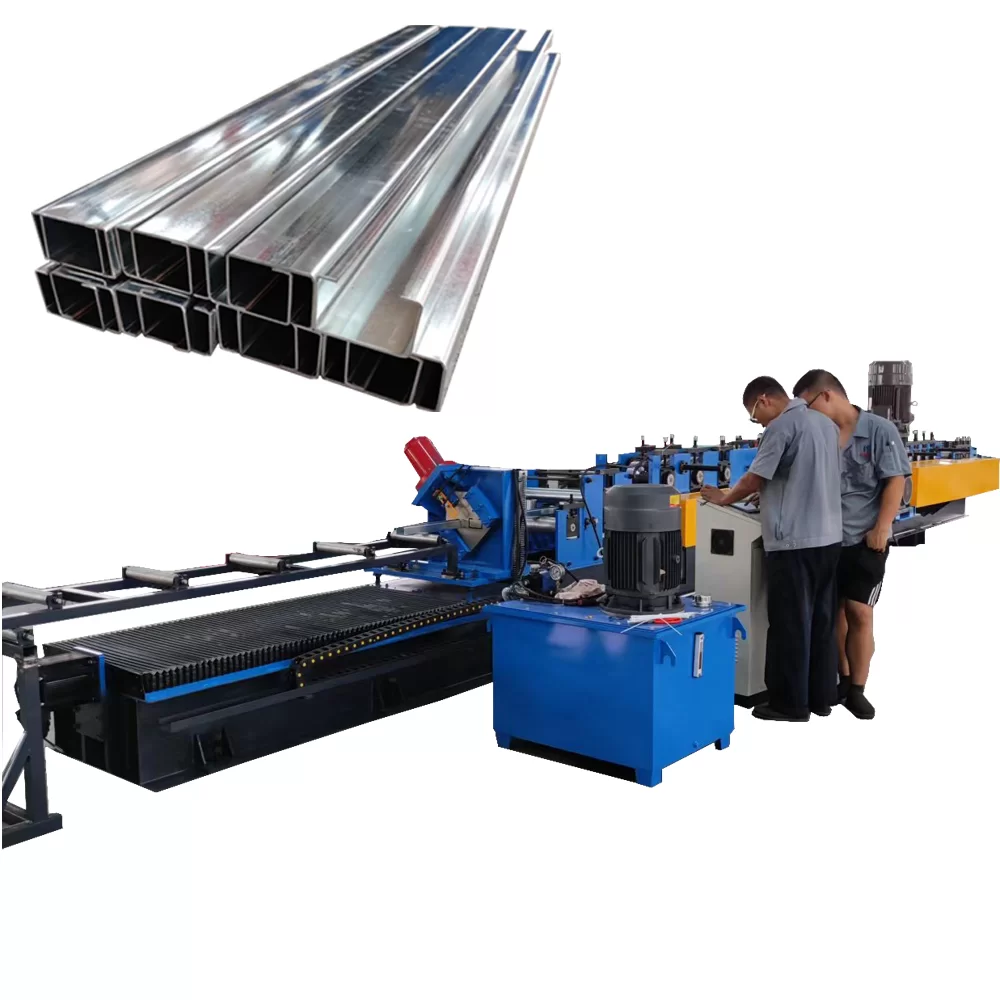
Currently, the US market is transitioning from manual assembly to automated fabrication. The integration of a high-efficiency silo sheet forming machine allows local manufacturers to reduce labor costs and improve the structural integrity of steel containers, meeting strict ASME and local building codes.
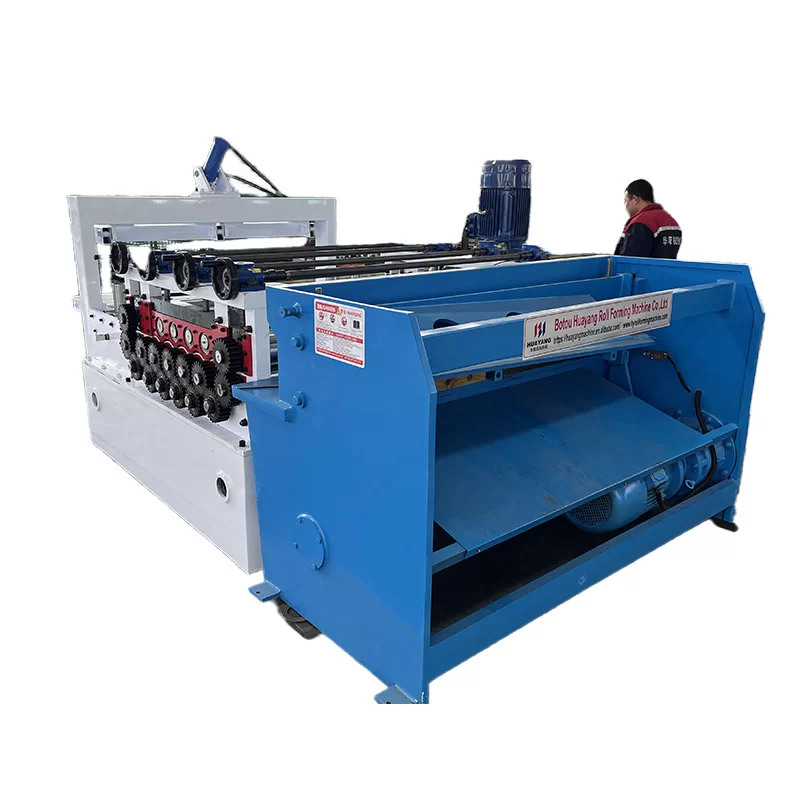
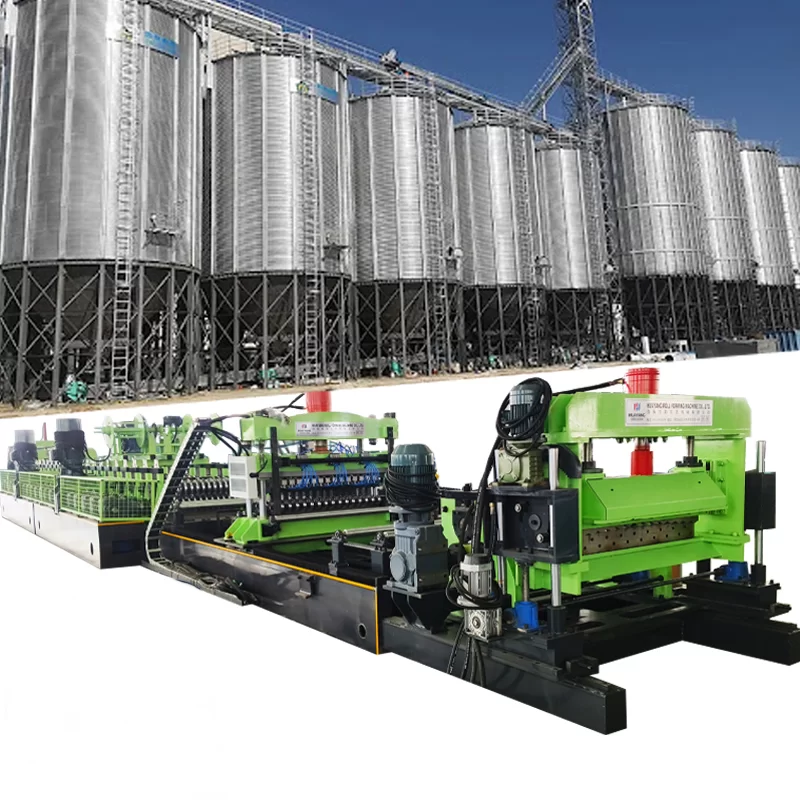
Evolution and Trajectory of Metal Forming Technology

From traditional riveting to high-speed automated roll forming.

Market Development History

In the mid-20th century, storage tanks in North America were primarily constructed using heavy-gauge steel sheets and manual riveting, a process that was time-consuming and prone to leakages at the joints.

Between 1990 and 2010, the industry shifted toward hydraulic pressing and early roll forming. The introduction of the steel water tank making machine revolutionized the speed of production, allowing for seamless cylindrical walls and better coating adhesion.

From 2015 to the present, the era of "Industry 4.0" has introduced CNC synchronization. Modern machines now feature automated thickness adjustment and precision cutting, ensuring that every panel produced is perfectly aligned for rapid field assembly.

Future Development Trends

AI-Driven Material Optimization

Future systems will utilize real-time sensors to adjust roll pressure based on the specific alloy grade of the steel, reducing material waste by up to 15%.

High-Strength Low-Alloy (HSLA) Compatibility

There is a growing trend toward using HSLA steels, necessitating machines with higher torque and reinforced rollers to maintain precision without deformation.

Eco-Friendly Coating Integration

The industry is moving toward integrated coating application systems that are VOC-compliant, aligning with tightening EPA regulations in the US.

Industrial Outlook and Future Projections

Predicting the next 5 years of metal forming innovation in the USA.

Hyper-Automation
Transitioning to fully autonomous production lines where the machine self-corrects based on laser measurement.
Modular Tooling
Quick-change roller systems that allow one machine to switch between different silo diameters in minutes.
Energy Efficiency
Implementation of regenerative braking and energy-efficient servo motors to lower operational costs.
Smart Logistics
Integration with ERP systems to automate the production queue based on real-time order demand.

Industry Outlook

Based on Google search trends, there is a significant uptick in queries related to "sustainable agricultural storage" and "modular steel tanks" across the US. This indicates a shift toward decentralized storage solutions that can be deployed rapidly in rural areas.

The convergence of metal forming and digitalization means that the next generation of machinery will not just be about bending steel, but about managing data to ensure the highest possible structural efficiency per ton of material used.

Localized Application Scenarios in the US

Where our machinery delivers maximum value in the North American landscape.

01. Midwestern Corn Belt Grain Silos

Large-scale farms in Iowa and Illinois utilize our equipment to produce high-volume grain bins that resist the extreme humidity and temperature swings of the Heartland.

02. Southwestern Drought Relief Reservoirs

In Arizona and Nevada, our technology is used to fabricate massive water storage tanks for livestock and emergency irrigation in arid climates.

03. Industrial Chemical Storage in Gulf Coast

Manufacturers in Texas and Louisiana rely on precision roll forming to create corrosion-resistant industrial tanks for the petrochemical sector.

04. Northeast Municipal Water Infrastructure

Cities in the Northeast employ modular steel tanks for municipal water backup, requiring the tight tolerances provided by our roll forming systems.

05. Canadian Border Agricultural Hubs

Along the northern border, our machines are used to build heavy-duty silos capable of withstanding severe winter snow loads and frost heave.

Brand Story

Global Development Journey of Botou Huayang Press Tiling Machine Co., Ltd.

Foundational Excellence

Started with a mission to solve the inefficiency of manual metal bending, focusing on the core mechanics of precision roll forming.

Technical Breakthrough

Developed the first generation of high-torque rollers that allowed for the processing of thicker, high-strength galvanized steels.

Global Expansion

Expanded into the North American market, adapting our designs to meet US ASTM and ASME standards for structural safety.

Digital Transformation

Integrated PLC and CNC systems into all machine lines, reducing operator error and increasing production speeds by 40%.

Sustainable Future

Committing to green manufacturing by reducing energy consumption in our machinery and supporting eco-friendly storage solutions worldwide.

Frequently Asked Questions - USA Edition

Expert answers to common technical and regulatory queries.

How does a spiral steel silo making machine improve structural integrity?

The spiral winding process eliminates horizontal seams, which are typical weak points in bolted silos. By creating a continuous seam, the structure distributes loads more evenly and significantly reduces the risk of leaks.

Can the silo panel roll forming machine handle different steel gauges?

Yes, our machines are designed with adjustable rollers and high-torque motors, allowing operators to switch between various gauges of galvanized or stainless steel without compromising the profile accuracy.

What is the maintenance requirement for a water tank forming machine in humid climates?

For humid regions like the US Gulf Coast, we recommend using chrome-plated rollers and a strict lubrication schedule with moisture-resistant grease to prevent oxidation and ensure smooth operation.

Does the silo sheet forming machine comply with US safety standards?

Absolutely. All our machines are equipped with emergency stop systems, safety guards, and electrical components that align with UL and OSHA safety guidelines for industrial machinery.

How long does it take to train a local operator on a steel water tank making machine?

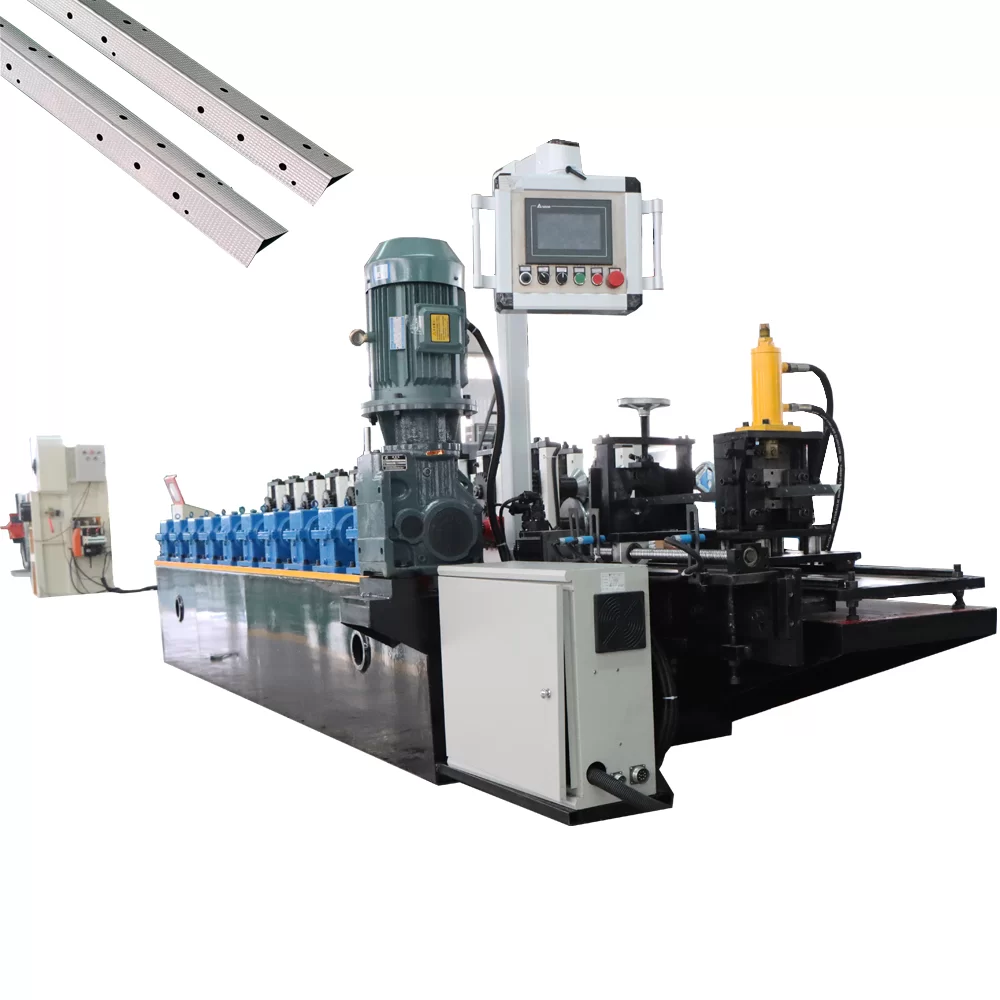
Thanks to our intuitive PLC touch-screen interfaces, most operators can be fully trained on basic production and safety protocols within 3 to 5 business days.

What is the production capacity of a typical silo panel roll forming machine?

Depending on the model and material thickness, our machines can produce panels at speeds ranging from 10 to 25 meters per minute, significantly reducing the lead time for large-scale projects.

Ready to Optimize Your Production?

Our engineering team is ready to provide tailored solutions for the United States market. Let's build the future of storage together.

Contact Us Now