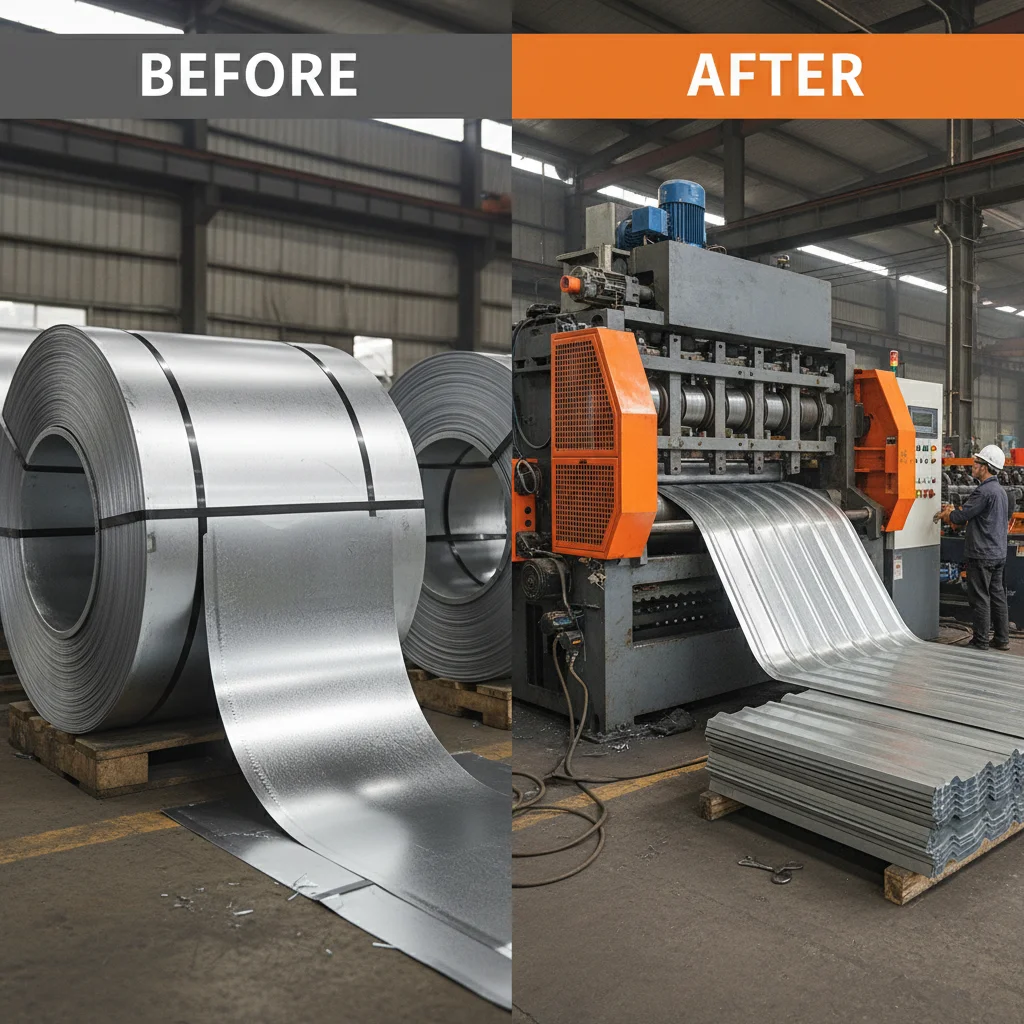
The global demand for durable and cost-effective roofing solutions is steadily increasing, driving innovation in roof tiles making machine technology. This is particularly crucial in rapidly developing nations experiencing urbanization and infrastructure growth, as well as in regions prone to extreme weather events where robust roofing is essential. Modern roof tiles making machine offer scalable solutions for meeting these needs, from small-scale local production to large-scale industrial output.
The construction industry is a significant contributor to global GDP, and roofing represents a substantial portion of construction costs. Efficient roof tiles making machine directly addresses this, enabling faster project completion, reduced material waste, and lower overall building expenses. The rise of prefabrication and modular construction further fuels the demand for automated, high-precision roof tiles making machine.
Investing in advanced roof tiles making machine isn’t merely about cost savings; it's about ensuring building longevity, safety, and sustainability. These machines facilitate the production of roofing tiles designed to withstand diverse climatic conditions, offering protection against the elements and contributing to the overall resilience of infrastructure.
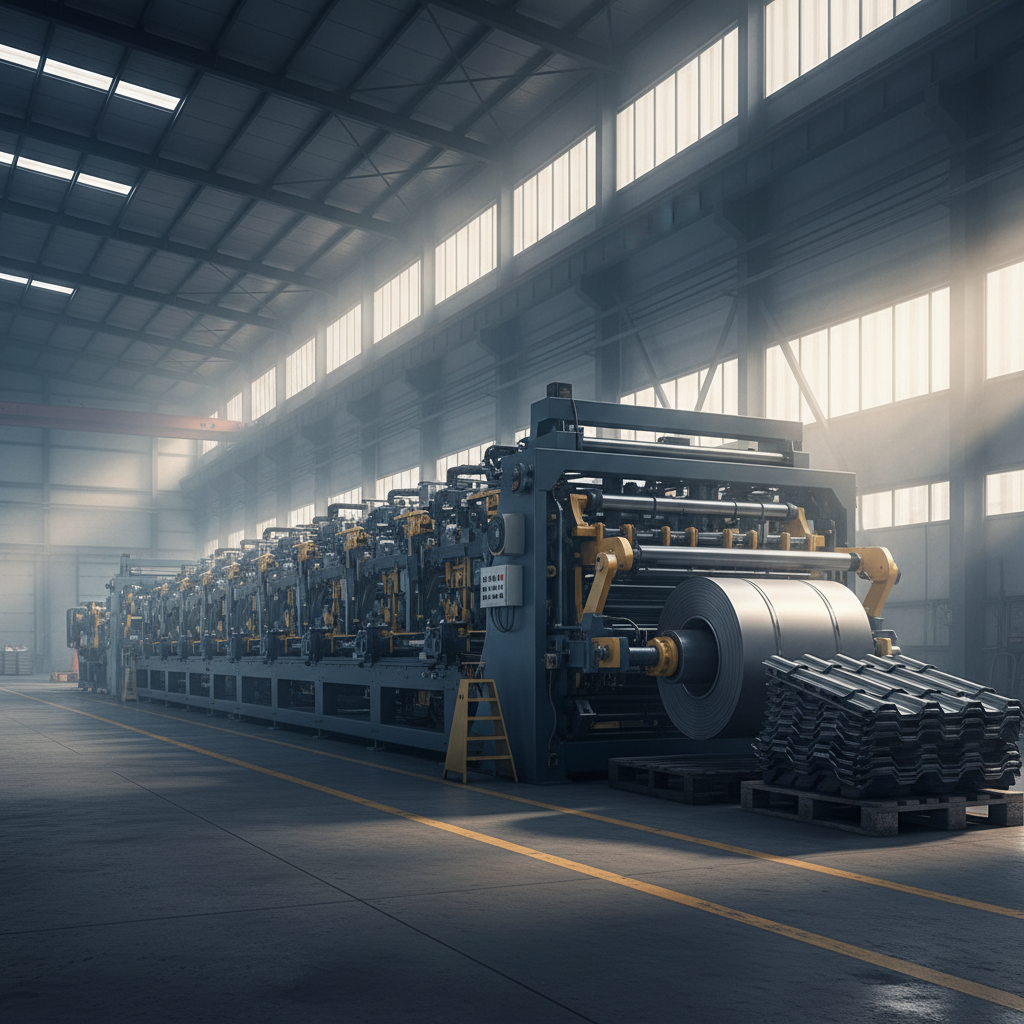
The Global Significance of roof tiles making machine
Globally, the roofing materials market is a multi-billion dollar industry. Roof tiles making machine plays a pivotal role in meeting the demand for affordable and durable roofing across diverse regions. According to reports from the United Nations, the need for sustainable housing is continuously increasing, particularly in developing countries, where roofing constitutes a critical component. The ability to efficiently produce high-quality roofing tiles locally is therefore vital for economic development and disaster relief efforts.
The efficiency and capacity of roof tiles making machine directly impact the affordability and accessibility of housing. Countries facing rapid urbanization, like those in Southeast Asia and Africa, often require large-scale roofing production to keep pace with population growth. These machines enable local manufacturers to reduce reliance on imports and create employment opportunities, contributing to a more resilient and self-sufficient construction sector.
Defining roof tiles making machine
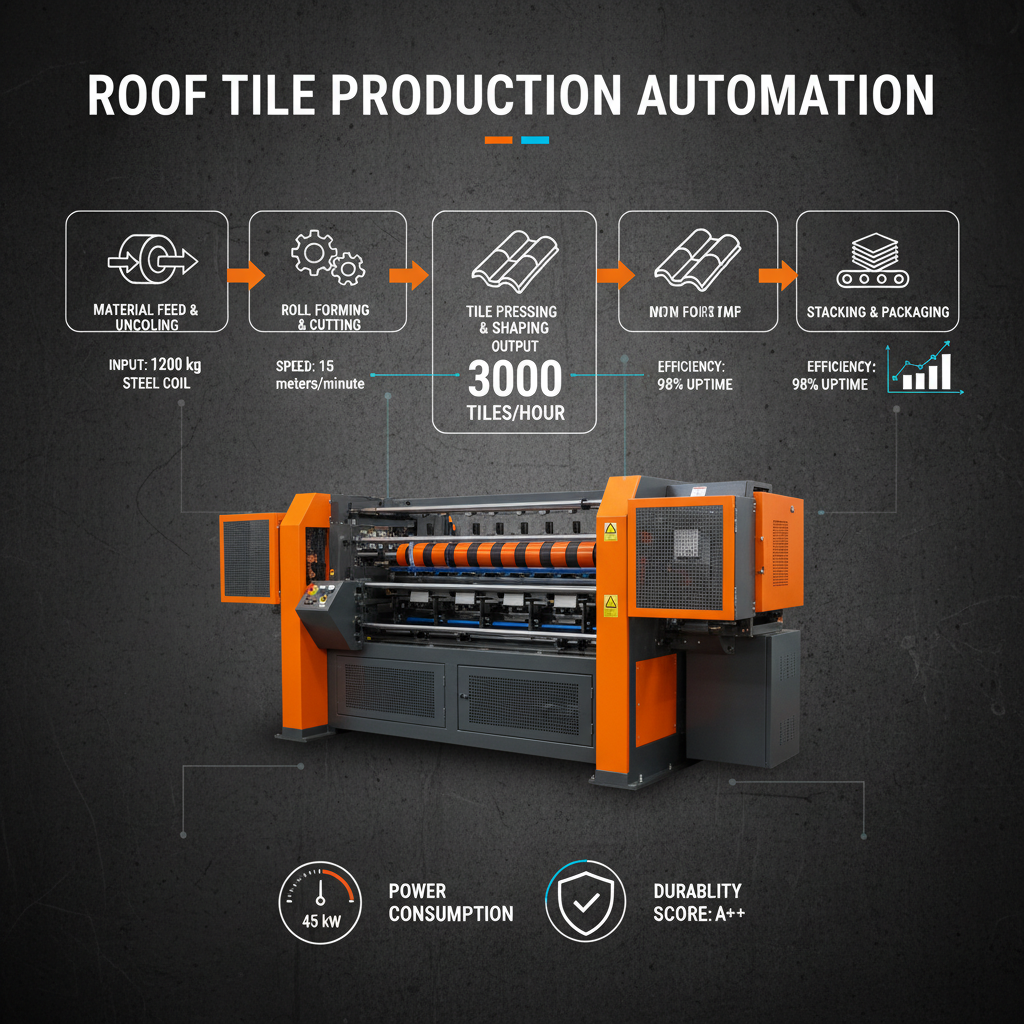
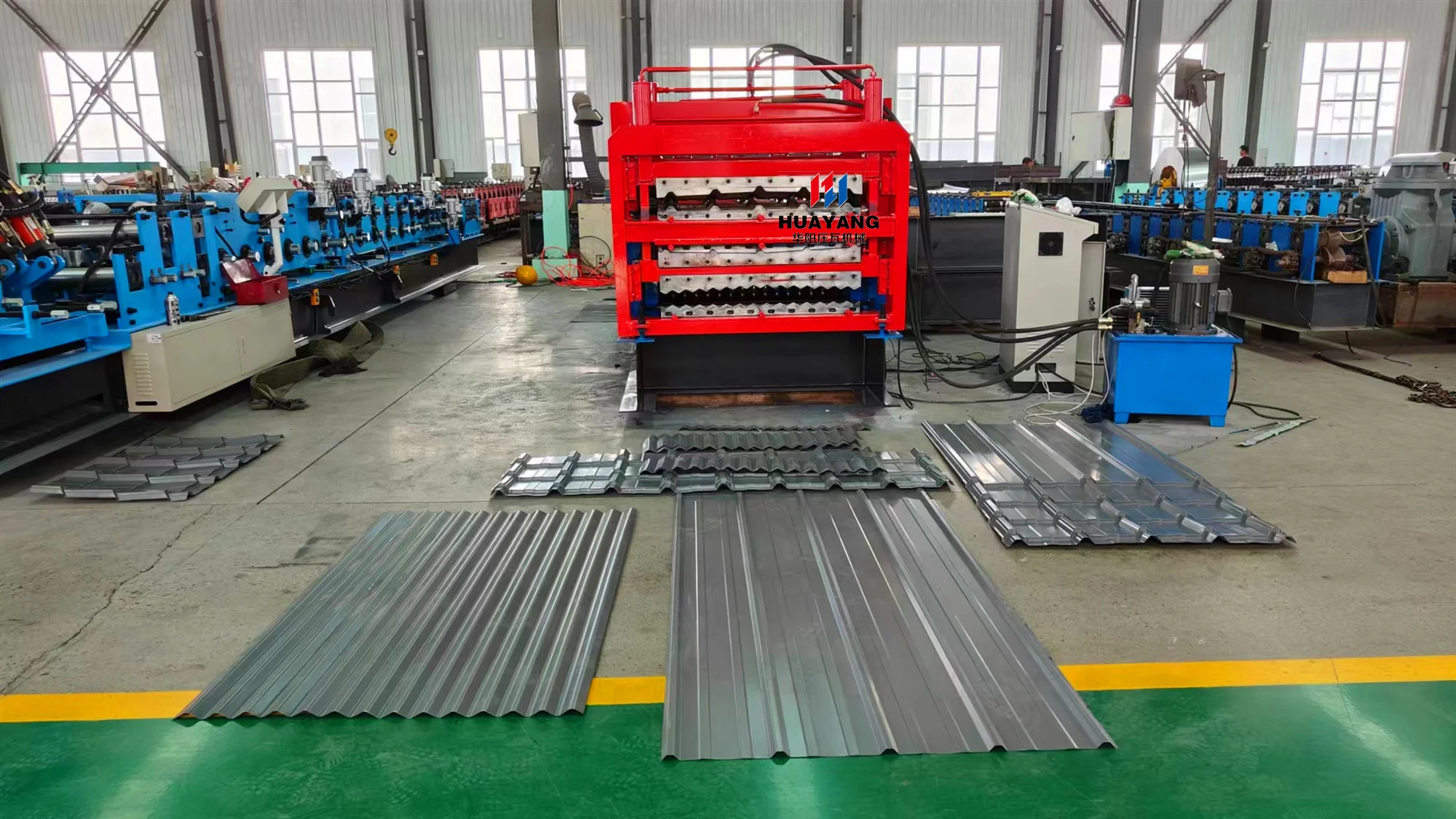
A roof tiles making machine is a specialized industrial machine engineered for the automated production of roofing tiles from metal sheets. These machines utilize roll forming technology, where a metal coil is passed through a series of rollers to progressively shape it into the desired tile profile. The process typically includes uncoiling, forming, cutting, and sometimes, additional finishing operations like coating or painting.
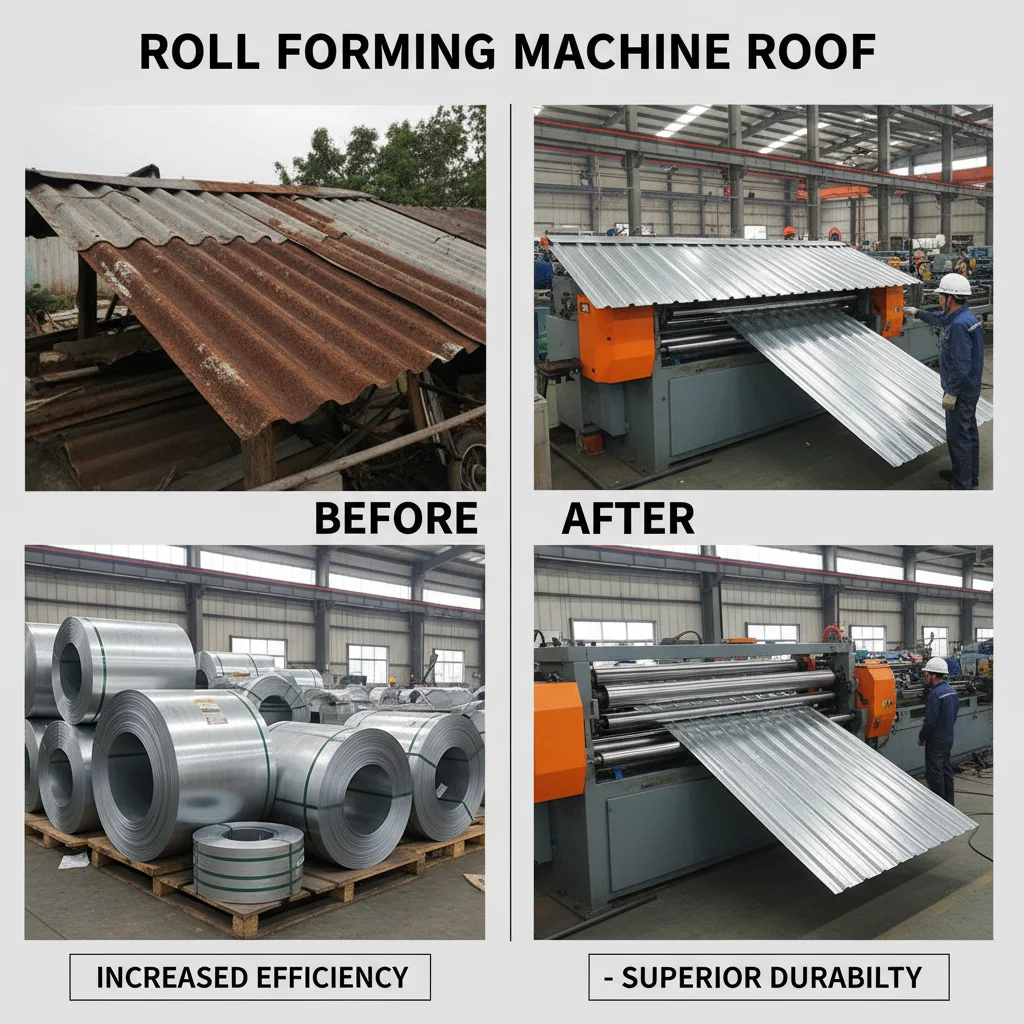
Unlike traditional tile manufacturing methods that rely heavily on manual labor, a roof tiles making machine offers increased speed, precision, and consistency. This results in a higher volume of output with reduced material waste and labor costs. The versatility of these machines allows for the production of various tile designs, catering to diverse architectural styles and market demands.
The significance of this technology extends beyond simply producing roofing materials. It embodies principles of modern manufacturing, facilitating efficient resource utilization, promoting economic growth, and contributing to the development of sustainable infrastructure worldwide. It’s a core technology in supporting housing, industrial, and agricultural building initiatives.
Core Components & Operational Principles
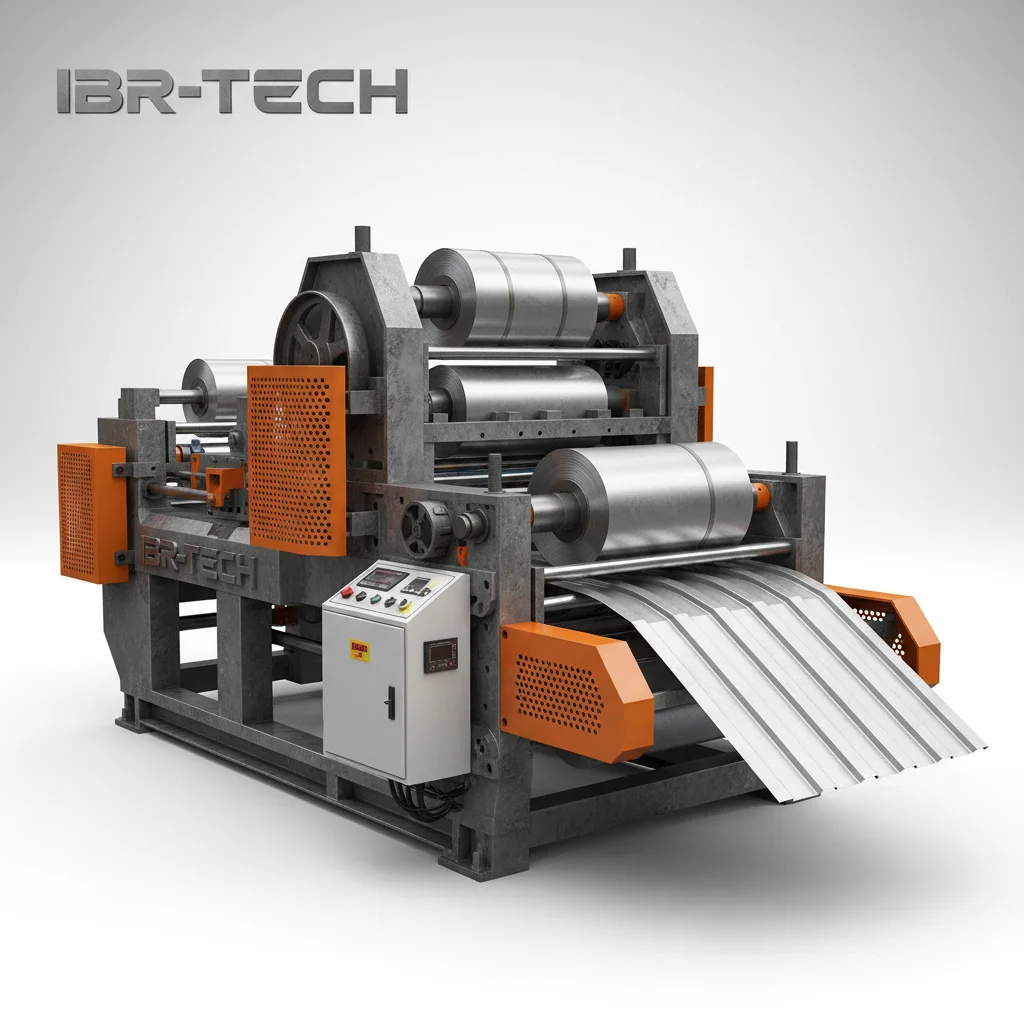
At the heart of any roof tiles making machine lies the uncoiler, which feeds the metal coil into the system. This is followed by a leveling unit to ensure the metal is flat and consistent before entering the roll forming section. The roll forming section consists of a series of rollers meticulously designed to progressively shape the metal into the desired tile profile. Precise control of roller alignment and pressure is critical for achieving accurate dimensions and consistent quality.
The cutting system, typically utilizing hydraulic shears, precisely cuts the formed metal into individual tiles of the specified length. A stacker or automated conveyor system then collects and organizes the finished tiles for further processing or packaging. Control systems, often incorporating programmable logic controllers (PLCs), manage the entire process, ensuring synchronized operation and precise control over parameters such as forming speed, cutting length, and tile quantity.
The quality of the finished tiles heavily depends on the quality of the rollers and the precision of the forming process. High-quality steel alloys are typically used for the rollers to ensure durability and resistance to wear. Regular maintenance and calibration of the machine are essential for maintaining optimal performance and ensuring consistent product quality from the roof tiles making machine.
Key Performance Indicators of roof tiles making machine
Evaluating the performance of a roof tiles making machine involves assessing several key indicators. Production speed, measured in tiles per hour or meters per minute, directly impacts overall output capacity. Material yield, representing the percentage of input material converted into usable tiles, is crucial for minimizing waste and maximizing profitability.
Another important metric is dimensional accuracy, ensuring that the tiles meet specified length, width, and profile tolerances. Consistency in coating thickness and adherence is also vital for long-term durability and weather resistance. Finally, machine uptime and maintenance requirements contribute to overall operational efficiency.
Comparative Analysis of roof tiles making machine Parameters
Global Applications & Industry Adoption
Roof tiles making machine are utilized across a diverse range of industries and geographic locations. In construction, they're crucial for residential, commercial, and industrial roofing projects. Agricultural applications benefit from durable roofing for barns and storage facilities. The machines are also prevalent in regions where prefabricated building components are gaining popularity.
Specifically, nations in South America and Africa are heavily investing in local roofing production capabilities using these machines, fostering economic independence and providing affordable housing solutions. In the Middle East, demand is driven by large-scale infrastructure projects and the need for weather-resistant roofing in harsh climates.
Advantages & Return on Investment
Investing in a roof tiles making machine offers a compelling return on investment. Reduced labor costs, increased production speed, and minimal material waste contribute to significant cost savings. The ability to produce tiles on-demand eliminates the need for large inventories, freeing up capital.
Furthermore, localized production reduces transportation costs and lead times, enhancing responsiveness to market demands. The durability and weather resistance of the manufactured tiles translate into longer-lasting roofs, reducing life-cycle costs for building owners and enhancing the value of properties.
Beyond financial benefits, the adoption of advanced roof tiles making machine promotes sustainability by minimizing waste and optimizing resource utilization, aligning with growing environmental concerns.
Future Trends & Technological Advancements
The future of roof tiles making machine is poised for further innovation. Integration with Industry 4.0 technologies, such as IoT sensors and machine learning algorithms, will enable predictive maintenance, optimized production processes, and real-time quality control. The development of new metal alloys and coating materials will enhance the durability, corrosion resistance, and aesthetic appeal of roofing tiles.
Automation, including robotic handling and automated packaging systems, will further streamline production and reduce labor requirements. Emphasis on sustainable manufacturing practices will drive the development of energy-efficient machines and the use of recycled materials. We foresee advancements in 3D printing techniques potentially being integrated with roll forming to create customized tile designs and complex geometries.
Digital twins—virtual representations of the machine—will allow for remote monitoring, diagnostics, and optimization, improving overall operational efficiency and reducing downtime for roof tiles making machine users.
FAQS
The lifespan of a roof tiles making machine typically ranges from 10 to 20 years, depending on usage intensity, maintenance practices, and the quality of its components. Regular lubrication, component inspections, and timely replacements are crucial for maximizing its operational life. Machines built with high-quality steel alloys and robust construction tend to last longer, offering a better return on investment.
The average production capacity varies based on the machine’s size, automation level, and the complexity of the tile profile. A standard roof tiles making machine can typically produce between 600 to 1500 tiles per hour. Advanced models with automated features may achieve even higher rates, reaching up to 2000 tiles per hour.
Regular maintenance includes daily lubrication of moving parts, weekly inspections for wear and tear, monthly cleaning of rollers and cutting blades, and annual professional servicing. Monitoring the hydraulic system, electrical connections, and control systems is also essential. Proactive maintenance prevents breakdowns and ensures optimal performance of the roof tiles making machine.
Most roof tiles making machine are designed to process metal gauges ranging from 0.3mm to 0.8mm, but this can vary depending on the machine’s specifications and the desired tile profile. It’s crucial to select a machine compatible with the types of metal sheets available in your region and the thickness required for your application.
Safety is paramount. Modern roof tiles making machine incorporate features like emergency stop buttons, safety guards around moving parts, overload protection systems, and light curtains to prevent accidental injuries. Proper operator training and adherence to safety protocols are vital for ensuring a safe working environment.
Reputable manufacturers provide comprehensive after-sales support, including installation assistance, operator training, technical support, spare parts availability, and remote diagnostics. A responsive support team is crucial for minimizing downtime and ensuring the long-term reliability of the roof tiles making machine.
Conclusion
In conclusion, roof tiles making machine represent a vital technology for meeting the growing global demand for affordable, durable, and sustainable roofing solutions. Their efficiency, versatility, and potential for automation make them a compelling investment for construction companies, manufacturers, and governments alike. Understanding the core principles, advantages, and future trends associated with these machines is crucial for harnessing their full potential.
As technology continues to evolve, we anticipate further innovation in this field, driven by the need for increased efficiency, sustainability, and customization. Investing in advanced roof tiles making machine not only strengthens infrastructure but also contributes to economic growth and a more resilient future. Visit our website at www.hyrollformingmachine.com to explore our range of solutions.