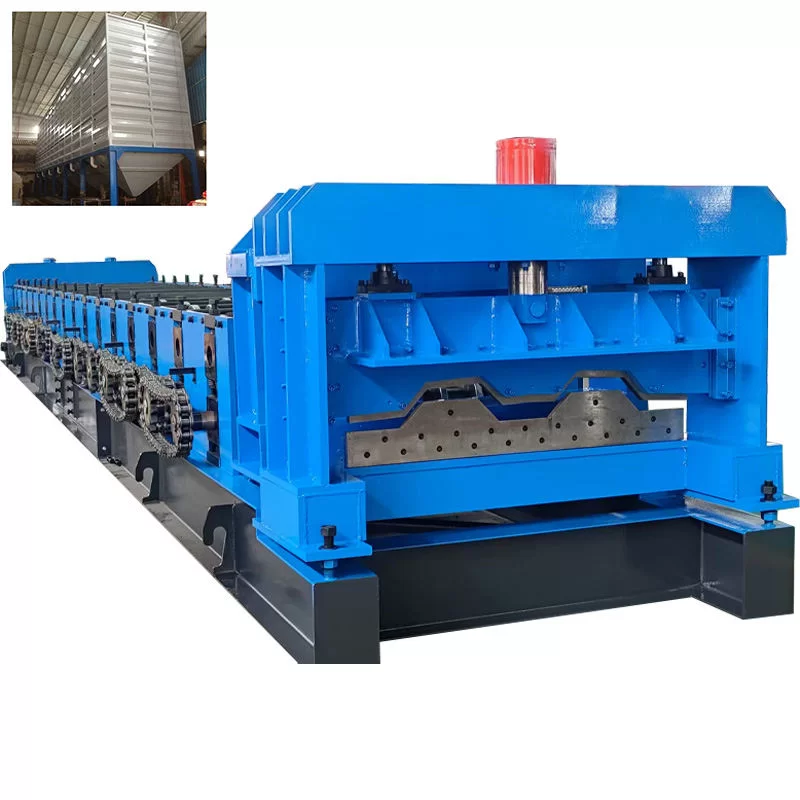
Steel Silo Panel Roll Forming Machine MOQ & Lead Time Guide

Sourcing heavy industrial machinery from China requires navigating complex manufacturing environments where traditional off-the-shelf procurement logic does not apply. Import managers and project leads often encounter hidden schedule variables that complicate downstream installation timelines.
Mastering custom machinery minimum order quantity frameworks and exact lead time drivers ensures predictable project delivery for agricultural and industrial storage manufacturing. Careful evaluation of production milestones prevents costly factory floor delays.
Procuring production lines designed for Galvanized Steel or Stainless Steel materials destined for a Silo, Feed Bin, or Water Tank requires structured oversight. Engineering parameters and tooling schedules must be locked down before factory release.
Why Steel Silo Panel Lines Are Quoted Per Unit
Silo panel roll forming lines utilize per-unit quotation frameworks instead of weight or running length measurements due to the inherent engineering complexity of heavy industrial production systems. Industrial buyers requesting equipment configurations find that traditional commodity pricing models fail to account for customized mechanical layouts. Each production line requires specific mechanical design adjustments to process input material according to exact project specifications.
Custom Structural Configurations and Engineering Scope
Custom structural configurations dictate unique engineering requirements for each order, eliminating the applicability of standardized batch pricing. Drawings for punching dies, roll forming passes, and cut-off mechanisms must be recalculated for every project based on the final profile geometry demanded by the buyer. Procurement teams evaluating equipment quotations must review how individual structural modifications alter total machinery manufacturing requirements.
Engineered roll forming assemblies cannot be produced through mass-manufacturing methods. Variable component widths and distinct perforation patterns require dedicated tool paths and specialized machine calibration.
The Operational Reality of Heavy Machinery Lead Times
Heavy machinery customization prevents standard off-the-shelf ready-to-ship availability, making accurate delivery planning essential for industrial plant development. Equipment fabricators initiate manufacturing only after final engineering drawings receive formal sign-off from the buyer.
Raw material availability determines initial shop-floor scheduling for structural frames and drive components.
Custom roll tooling production requires sequential CNC milling and heat-treatment phases before assembly.
Control panel integration and hydraulic testing occur strictly after mechanical alignment is verified.
Import managers must anticipate that custom machinery lead times are driven primarily by engineering and tooling verification milestones rather than final crating operations. Technical specifications and required tolerances are to be confirmed with the supplier prior to contract execution.
How Custom Roller Tooling Design Drives Production Schedules
Total lead times depend heavily on custom roller tooling design rather than final mechanical assembly alone. Production planning for corrugated and trapezoidal profile configurations starts with detailed computer-aided engineering validations before any physical cutting takes place.
Precision Machining Timelines
Precision machining phases dictate the initial manufacturing timeline for forming dies and arbors. Multi-stage forming stands require meticulous milling to ensure uniform deformation stress across processed metal coils without surface cracking or dimensional drift.
Component Sourcing Milestones
Specialized component sourcing prevents severe timeline bottlenecks during the early stages of fabrication. Drive motors, hydraulic cutting blades, and programmable logic controllers must be procured well in advance of final assembly to match exact electrical and mechanical integration tolerances.
To evaluate these sequential manufacturing stages effectively, import managers should audit the following key milestones:
Completion of tooling simulation sign-off and mathematical profile verification
Procurement confirmation for specialized electrical drives and hydraulic valves
Machining and thermal treatment completion rates for multi-stage roller assemblies
Supply chain reliability relies on synchronizing raw material deliveries with internal tool machining capacity. To calculate exact milestones for a specific project layout, contact the supplier to obtain the files and testing documentation.
Mapping Core Variables in Sourcing Timelines
Procurement Milestone Audit Architecture
Procurement milestones follow a strict sequence from initial technical sign-off to final shop floor release, governing the operational pace of heavy machinery fulfillment.
Specification Sign-Off and Engineering Review Milestones
Engineering teams audit digital drawings governing custom profile assemblies prior to factory release. Internal reviews resolve geometry discrepancies early, preventing costly shop floor rework.
Delays frequently occur when structural modifications alter drive component requirements, extending the validation window. Evaluating supplier milestone commitments depends on tracking sign-off dates against available assembly floor capacity.
| Material | Application | Review Complexity |
|---|---|---|
| Galvanized Steel | Silo | Standard |
| Stainless Steel | Feed Bin | Extended |
| Galvanized Steel | Water Tank | Complex |
Tooling Validation and Production Release
Tooling validation marks the transition from digital approval to physical component fabrication. Once dies and cutting mechanisms clear verification, assembly shifts to mechanical and electrical integration.

Managing interdependent stages requires transparent communication channels between the buyer and manufacturing plant. Project leads tie milestone payments directly to verified inspection sign-offs rather than calendar dates.
Integrating Phased Shipments into Project Logistics
Large-scale heavy machinery components require strategic phased shipments to manage freight capacity and offload constraints at the destination port. Splitting a production line into discrete transport lots prevents highway weight limit violations and reduces terminal demurrage risks.

Maritime and Inland Routing Constraints
Oversized roll forming equipment demands specialized flat-rack container arrangements or break-bulk vessel booking. Maritime freight timelines fluctuate based on seasonal port congestion, while inland trucking permits depend on the exact axle load limits of the destination country.
Transport logistics planning must account for crane availability at rural project sites where offloading heavy structural sub-assemblies requires high-capacity mobile cranes. Transit bottlenecks often emerge when customs clearance schedules misalign with inland carrier dispatch dates, making continuous milestone tracking essential for import managers.
Synchronizing Port Delivery with Civil Works
Port delivery milestones must align precisely with the completion of foundation pads and anchor bolt curing cycles on site. Bringing oversized machinery components to the installation zone before shop floor readiness introduces costly storage fees and rust exposure risks.
Project leads coordinate container release only after civil engineering inspections confirm that concrete structures have reached full load-bearing strength. Staging the arrival of main drive stands and decoiler units just-in-time prevents site congestion and streamlines the subsequent mechanical alignment phase.
Executing Factory Acceptance Tests with Customer-Supplied Coils
Factory verification protocols prior to final crating and dispatch validate that mechanical tolerances and electronic sequencing match operational demands before equipment leaves the warehouse floor.
Trial runs utilizing buyer-provided raw material coils verify profile accuracy and ensure metal forming passes perform without surface scratching or edge warping. These preliminary test phases give operations teams direct visibility into real-world performance metrics under actual production speeds.
Verifying Profile Dimensional Accuracy
Each test run measures critical cross-section tolerances against engineering blueprints to guarantee downstream structural integrity.
Checking bend angles and hole placement precision across multiple test lengths.
Evaluating shear cleanliness and burr formation during automated cutoff cycles.
Monitoring drive motor load stability during continuous sheet feeding.
Control System and Safety Interlock Checks
Electrical verification confirms that emergency stop loops, encoder feedback, and programmable logic controller response times function reliably under load.

Formal sign-off requires complete alignment between physical test output and specified design parameters, depending strictly on the mechanical load limits established during preliminary engineering reviews.
Aligning MOQ Frameworks with Manufacturing Capacity
Minimum order quantity frameworks in heavy industrial fabrication operate differently than standard consumer goods distribution models. Production batches are determined by raw material master coils and dedicated roll forming tooling setups rather than arbitrary wholesale packaging thresholds.
Supplier capacity allocation shifts significantly when handling concurrent line orders for heavy machinery. Scheduling conflicts emerge when multiple agricultural and industrial storage facilities request simultaneous fabrication runs, requiring precise queue management.
| Material | Application | Capacity Allocation Factor |
|---|---|---|
| Galvanized Steel | Silo | Continuous coil feed integration |
| Stainless Steel | Feed Bin | Specialized tooling and cleaning cycles |
| Galvanized Steel | Water Tank | Standard profile scheduling priority |
Synthesizing minimum order quantity thresholds with project delivery schedules safeguards capital investments in heavy industrial assets. Buyers balance batch efficiency against operational timelines by tying milestone payments directly to verified factory floor throughput.
Frequently Asked Questions
Custom equipment manufacturing operates on distinct production allocation terms rather than traditional bulk retail quantities. Supplier capacity planning for concurrent line orders determines how production slots are reserved, making order timing dependent on factory scheduling rather than inventory availability.
Custom structural configurations eliminate ready-to-ship inventory options for heavy production machinery. Because each line is engineered to process specific input material widths and profiles for targeted applications, fabrication begins only after final drawing sign-off.
Factory acceptance testing requires structured trial runs using raw material coils supplied during the procurement process to verify profile accuracy and control system performance. Sign-off protocols confirm mechanical readiness before crating and dispatch occur, depending on the agreed technical verification milestones.
Phased dispatch depends heavily on port logistics coordination, inland transport routing constraints, and the synchronization of component delivery with on-site civil work schedules. Managing oversized machinery parts requires aligning transport milestones directly with site readiness.
Evaluating milestone commitments requires tracking the sequence from initial specification sign-off through CNC machining, tooling validation, and final shop floor release. Project leads must audit these intermediate verification stages against scheduled factory dispatch dates.
Conclusion
Auditing Quotations and Structuring Agreement Terms
Procurement teams finalizing heavy machinery purchases must systematically evaluate supplier quotations against engineering requirements before releasing milestone payments.
Every equipment proposal for processing galvanized steel or stainless steel destined for a silo feed bin or water tank requires a line-by-line audit of tooling deliverables.
Key Clauses for Factory Acceptance Protocols
Factory acceptance testing clauses must explicitly detail coil thickness tolerances and trial run speeds before final crating takes place.
Verification of profile dimensions using trial material
Inspection of hydraulic cut-off mechanisms and punching dies
Sign-off procedures prior to dispatch and export packaging
By enforcing these contractual safeguards, industrial buyers protect their investments against unforeseen delays and misaligned specifications.