



The Ultimate Guide to Choosing a Steel Silo Roll Forming Machine
In the modern agricultural and industrial storage sectors, the demand for high-quality, durable storage solutions has never been higher. The steel silo roll forming machine is the cornerstone of this production process, enabling the precise fabrication of corrugated steel sheets that form the walls of massive grain and bulk material silos. By utilizing advanced cold-rolling technology, these machines ensure structural integrity, weather resistance, and rapid installation. Whether you are starting a new manufacturing plant or upgrading existing equipment, understanding the nuances of roll forming technology is essential for maximizing efficiency and product quality.

How a Steel Silo Roll Forming Machine Works
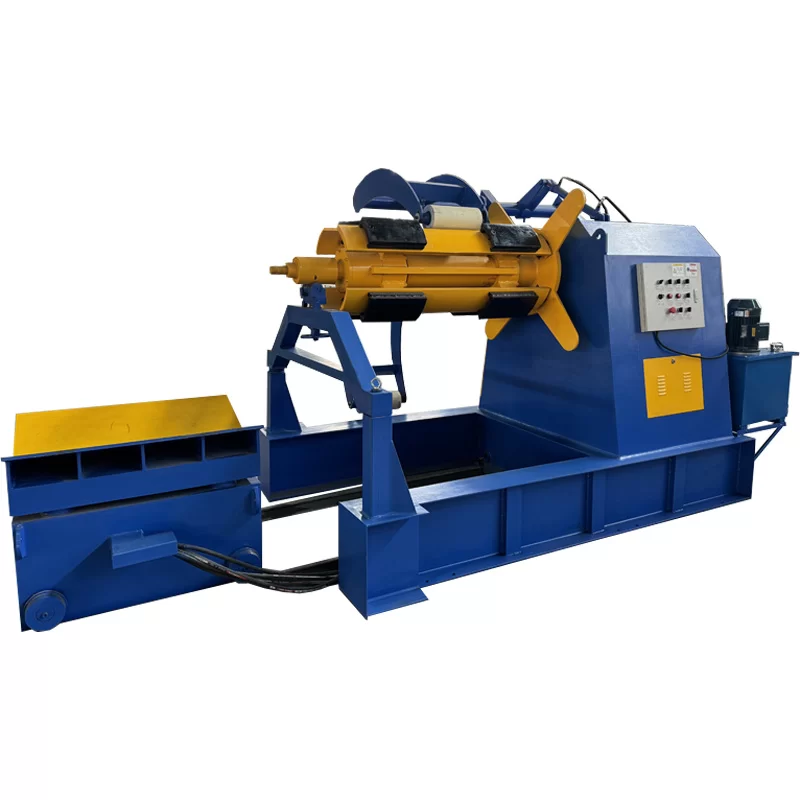
The process begins with a flat coil of galvanized steel. The steel silo roll forming machine passes the metal through a series of sequential rollers. Each set of rollers gradually bends the steel into the desired corrugated profile. This "corrugation" is not just for aesthetics; it significantly increases the hoop strength of the silo wall, allowing it to withstand the immense outward pressure of stored grain. The machine integrates decoiling, forming, punching (for bolt holes), and precision cutting into one seamless automated line, reducing manual labor and human error.
Industrial Insight: High-precision rollers made from 45# steel or chromium steel with hard chrome plating are essential to prevent wear and tear, ensuring the steel silo roll forming machine maintains tight tolerances over millions of cycles.
Key Advantages of Automated Roll Forming
Transitioning from traditional fabrication to an automated steel silo roll forming machine offers transformative benefits. First is the unmatched consistency; every panel produced is identical, which is critical for the airtight sealing of silos. Second is the speed of production; automated lines can produce hundreds of meters of sheeting per hour. Finally, the reduction in material waste is significant. Precision cutting systems ensure that scrap is kept to an absolute minimum, directly improving the profit margins of the manufacturer.
Core Benefits:
• High Precision: Ensures perfect fitment during on-site assembly.
• Labor Efficiency: Reduces the need for extensive manual bending and drilling.
• Enhanced Strength: Optimized corrugation profiles for maximum load capacity.
• Scalability: Ability to produce various panel heights and widths quickly.
Comparing Manual vs. Steel Silo Roll Forming Machine
For small-scale workshops, manual methods might seem cost-effective, but for any commercial operation, the investment in a steel silo roll forming machine is indispensable. Manual bending lacks the precision required for large-diameter silos, often leading to gaps that allow moisture to enter, spoiling the stored grain. Automated machines provide a level of structural uniformity that is simply impossible to achieve by hand. Below is a detailed comparison of the two approaches.
Technical Specifications of the Equipment
When investing in a steel silo roll forming machine, it is vital to review the technical parameters to ensure they match your production goals. Factors such as the maximum thickness of the steel coil, the forming speed, and the PLC control system determine the overall capability of the line. Modern machines utilize Siemens or Delta PLC systems to allow for programmable lengths and automatic cutting, which minimizes waste and enhances user experience.

Maintenance and Longevity of Roll Forming Equipment
To ensure your steel silo roll forming machine operates at peak performance for decades, a rigorous maintenance schedule is required. The most critical aspect is lubrication; the drive chains and bearings must be oiled regularly to prevent friction-induced wear. Additionally, the rollers should be inspected for buildup of metal shavings or debris, which can cause surface scratches on the finished silo panels. Calibrating the PLC and checking the hydraulic pressure of the cutting system every quarter ensures that the precision of the machine remains intact.
Industry Applications: Beyond Grain Storage
While grain storage is the primary use case, the versatility of a steel silo roll forming machine extends to various other sectors. These machines are used to create storage tanks for cement, fly ash, and animal feed. In some specialized cases, modified roll forming profiles are used for water storage tanks or industrial ventilation shafts. The ability to adjust the roll profile allows manufacturers to enter multiple markets, diversifying their revenue streams and maximizing the utility of their machinery investment.
Conclusion: Elevating Production with Precision Engineering
Investing in a high-quality steel silo roll forming machine is a strategic move for any company aiming to dominate the industrial storage market. By combining speed, precision, and structural strength, these machines eliminate the inefficiencies of manual labor and ensure a product that meets global safety standards. Whether you are catering to local farmers or international industrial complexes, the right equipment is the foundation of your success. Prioritize precision and automation to secure your competitive edge in the global trade landscape.
Frequently Asked Questions (FAQs)
What materials can be used with a steel silo roll forming machine?
The majority of these machines are designed to work with galvanized steel, as it provides the necessary corrosion resistance for outdoor storage. However, they can also process Galvalume (aluminum-zinc alloy coated steel) and pre-painted galvanized steel (PPGI). The choice of material depends on the environmental conditions where the silo will be installed; for instance, coastal areas require higher zinc coatings to prevent salt-air corrosion. Always ensure the material thickness is compatible with the roller specifications of your steel silo roll forming machine to avoid damaging the rollers.
How long does it take to train an operator?
Thanks to the integration of PLC (Programmable Logic Controller) systems, the learning curve for operating a modern steel silo roll forming machine is quite short. A basic operator can typically be trained in 3-7 days. Training focuses on loading the coil, setting the desired panel lengths on the digital interface, and safety protocols for the cutting mechanism. More advanced training is required for maintenance staff to handle roller adjustments and electrical troubleshooting, but for daily production, the process is highly intuitive.
Can I customize the corrugation profile of my machine?
Yes, customization is possible during the design and manufacturing phase of the equipment. Since different regions have different standards for silo strength and wind loading, manufacturers can customize the height, depth, and pitch of the corrugations. Once a steel silo roll forming machine is built, the rollers are fixed for that specific profile. If you need a different profile later, you would typically need to order a separate set of rollers or a second machine. We recommend analyzing your local market requirements before finalizing the machine specifications.
What is the average lifespan of these machines?
With proper maintenance, a high-quality steel silo roll forming machine can last between 10 to 20 years. The structural frame is usually built from heavy-duty steel to prevent deflection. The primary wear components are the rollers and the drive chains. Because the rollers are treated with hard chrome plating, they resist wear for millions of cycles. By adhering to a strict lubrication and cleaning schedule, companies can maximize their ROI and maintain consistent product quality over two decades of operation.


-
 Oct 05,26
-
 Sep 29,26


