



The Ultimate Guide to Choosing a Grain Silo Making Machine
Efficient agricultural storage is the backbone of food security and farming profitability. Investing in a high-quality grain silo making machine allows businesses to produce durable, weather-resistant storage solutions on demand. Whether you are starting a silo manufacturing business or upgrading your current production line, understanding the technical nuances of roll forming technology is essential. In this guide, we will explore how these machines operate, the key specifications to look for, and how to maximize your return on investment through precision engineering.

How a Grain Silo Making Machine Works
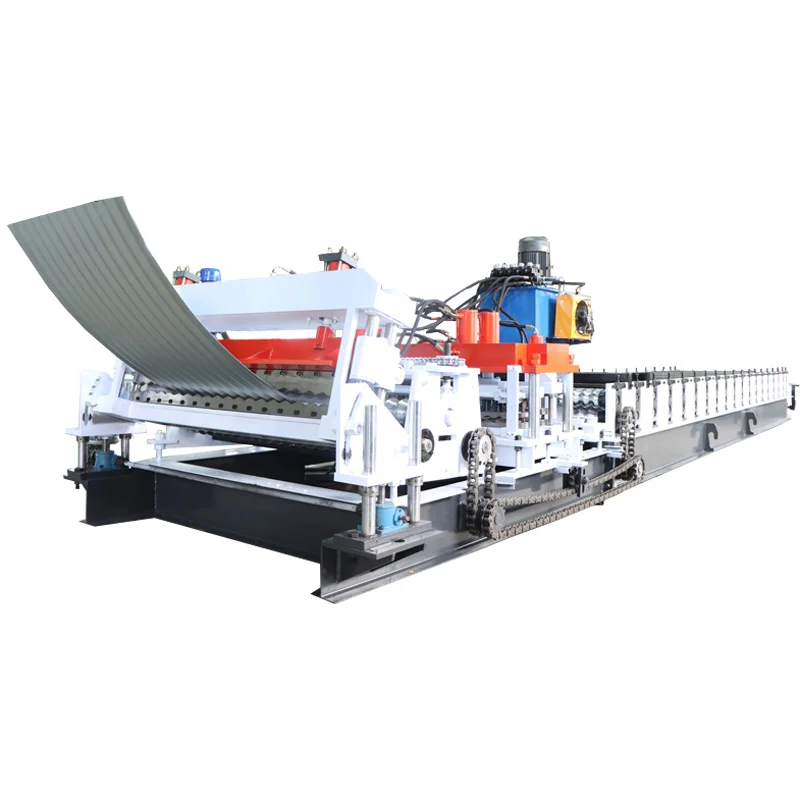
A grain silo making machine utilizes a sophisticated process known as cold roll forming. The machine takes a flat coil of galvanized steel and passes it through a series of precisely engineered rollers. Each set of rollers gradually bends the metal into the required profile—typically a corrugated shape—which provides the structural strength needed to withstand the heavy pressure of stored grain. Precision is critical here; any deviation in the roll angle can lead to misalignment during the assembly of the silo rings on-site.
Pro Tip: Choosing a machine with a PLC control system ensures that the length of each sheet is cut with millimeter precision, drastically reducing material waste and assembly time.
Key Advantages of Modern Grain Silo Making Machine Technology
Modern manufacturing has shifted toward automation to increase throughput and consistency. The current generation of grain silo making machine units offers several advantages over traditional methods. First, the speed of production is significantly higher, allowing for the rapid creation of silo panels. Second, the use of high-strength galvanized steel ensures that the final product is resistant to corrosion and oxidation, which is vital for storing organic materials like corn, wheat, and soy.
Core Benefits:
• Increased Durability: Corrugated profiles enhance the load-bearing capacity.
• Cost Efficiency: Reduced labor costs through automated cutting and forming.
• Versatility: Ability to produce different silo diameters by adjusting the profile.
• Material Optimization: Intelligent software minimizes scrap metal.
Technical Comparison: Manual vs. Automated Grain Silo Making Machine
When deciding which equipment to invest in, it is important to compare manual semi-automatic systems with fully automated lines. While manual machines may have a lower initial cost, the long-term operational expenses are higher due to labor requirements and a higher rate of human error. A fully automated grain silo making machine integrates decoiling, forming, punching, and cutting into one seamless workflow, ensuring that every panel produced is identical.
Essential Specifications for a Grain Silo Making Machine
When reviewing technical catalogs, you must focus on the mechanical capabilities of the machine. The thickness of the steel it can process and the range of the corrugation profile are the most critical factors. A high-end grain silo making machine will be built with hardened steel rollers to prevent wear and tear over thousands of cycles. Below are the standard specifications you should expect from a professional-grade manufacturer.
Maintaining Your Grain Silo Making Machine for Longevity
To ensure your equipment continues to produce high-precision panels, a strict maintenance schedule is mandatory. The most critical areas are the lubrication points of the roller shafts and the calibration of the hydraulic cutting system. Because a grain silo making machine operates under high pressure, any lack of lubrication can lead to friction-induced heat, which may warp the rollers and ruin the profile consistency.


Market Applications for Silo Panel Production
The demand for customized grain storage is growing globally. By owning a grain silo making machine, manufacturers can cater to various agricultural sectors. Beyond traditional corn and wheat silos, these machines can be adapted to produce panels for feed storage, seed warehouses, and even industrial-grade hopper bins. The ability to produce panels of varying heights and widths allows for the construction of silos ranging from small farm-scale units to massive industrial complexes, providing a significant competitive edge in the agricultural infrastructure market.
Conclusion: Optimizing Production with the Right Equipment
Investing in a professional grain silo making machine is a strategic move for any company aiming to dominate the agricultural storage market. By focusing on automation, precision roll forming, and high-grade materials, you can ensure the longevity of your silos and the satisfaction of your clients. High-efficiency machinery not only reduces waste and labor costs but also elevates the overall quality of the final product. Choose a partner that provides comprehensive technical support and durable engineering to secure your business growth.
Frequently Asked Questions (FAQs)
What materials are best for use with a grain silo making machine?
The most recommended material is galvanized steel. The zinc coating provides an essential layer of protection against moisture and corrosion, which is critical since silos are exposed to the elements and store organic materials that can attract moisture. Some high-end applications may use Galvalume (an aluminum-zinc alloy) for even greater longevity in coastal or highly humid environments. Ensure your grain silo making machine is calibrated specifically for the gauge and coating type of the steel you intend to use to avoid scratching the protective layer during the rolling process.
How long does it take to train an operator on this machine?
For modern PLC-controlled machines, the learning curve is relatively short. A basic operator can typically be trained in 1 to 2 weeks to handle the daily operations, such as loading the coil, setting the length parameters on the touch screen, and performing basic quality checks. However, technical training for maintenance—such as roller adjustment and hydraulic system troubleshooting—usually takes longer and is often provided by the manufacturer. We recommend a comprehensive onboarding process to ensure safety and maintain the precision of the equipment.
Can one machine produce different sizes of silos?
Yes, to a certain extent. While the corrugation profile (the "wave" of the metal) is determined by the rollers and cannot be changed without replacing the roller set, the diameter of the silo is determined by the length of the panels produced. By adjusting the cutting length on the grain silo making machine, you can create panels for various silo diameters. For completely different profiles or drastically different steel thicknesses, you would need a machine with interchangeable rollers or a separate production line.
What is the average production capacity of an automated line?
Production capacity varies based on the machine speed and the length of the panels. On average, a fully automated line can produce several hundred linear meters of corrugated panel per hour. This allows a manufacturer to produce enough panels for a medium-sized silo in a matter of days. Factors that influence capacity include the efficiency of the decoiler, the speed of the hydraulic cutter, and the skill of the team handling the material stacking. Investing in a high-speed grain silo making machine significantly reduces lead times for your customers.


-
 Oct 05,26
-
 Sep 29,26


